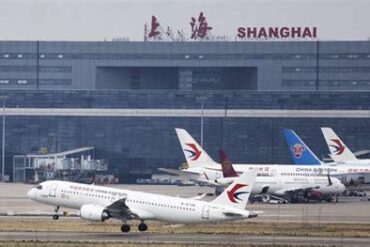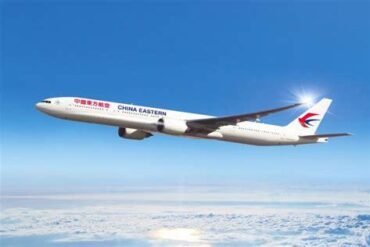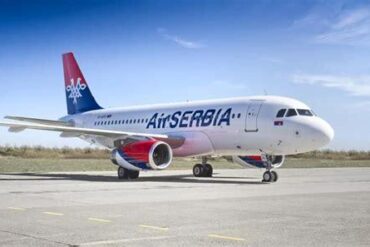
Air Serbia’s direct Belgrade-Shanghai route has officially marked six successful months in operation, recording over 20,000 passengers transported within this period. This accomplishment represents not merely a commercial success but a diplomatic and economic milestone, significantly contributing to Serbia-China relations through increased passenger traffic, enhanced tourism flows, and deepening bilateral business interactions.
Air Serbia’s Shanghai Route: A Strategic Leap Towards Global Connectivity
Air Serbia’s introduction of regular flights between Belgrade and Shanghai is a transformative step within the airline’s broader mission to enhance Serbia’s global connectivity. As noted by CEO Jiri Marek, the airline’s vision transcends transportation, aiming to weave Serbia more integrally into the tapestry of global aviation and international commerce. The immediate success of this route is attributed to its strategic positioning, serving as a vital link between Southeast Europe and East Asia, two regions witnessing rapid economic evolution and cultural exchange.
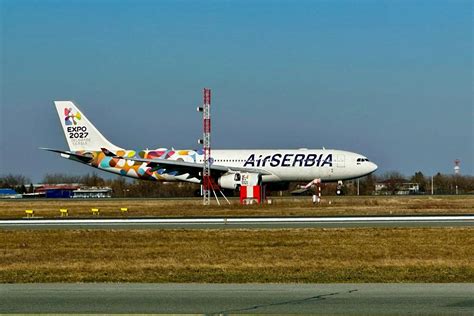
The Shanghai route, operational since early 2025, consistently exhibits high load factors, indicative of both solid passenger demand and market confidence. This is particularly visible during the ongoing summer travel surge, wherein Air Serbia’s transcontinental offerings have become a preferred choice for both business and leisure travelers.
A Catalyst for Strengthened Serbia-China Relations
Serbia and China, historically partners through various diplomatic and infrastructural initiatives, now enjoy a more practical and immediate form of engagement—direct aviation connectivity. The Belgrade-Shanghai flights symbolize more than commercial activity; they embody an infrastructural artery driving enhanced economic, cultural, and political interactions.
Chinese tourists, known for their global tourism expenditures, are now reaching Serbia in growing numbers. With the convenience of a direct flight, Serbia’s rich cultural landmarks, historic cities, and natural landscapes have become significantly more accessible to Chinese visitors. This influx not only benefits local tourism operators but also reinforces people-to-people ties, often seen as a cornerstone of sustainable bilateral relations.

Meanwhile, Serbian businesses gain unprecedented opportunities to penetrate Shanghai’s economic sphere, home to numerous global conglomerates and thriving industries. The route simplifies business travel, enabling closer cooperation in sectors such as technology, manufacturing, and cultural exports.
Long-Haul Fleet Strengthens Passenger Experience
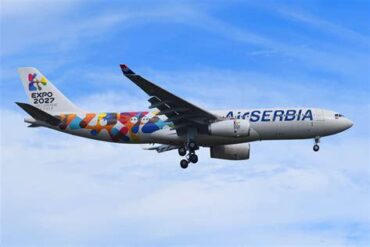
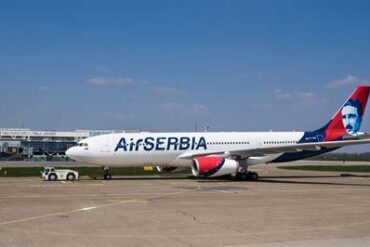
Air Serbia operates its long-haul routes—including Shanghai—with its modern Airbus A330-200 aircraft, renowned for providing a superior passenger experience on intercontinental journeys. The wide-body jet features spacious seating arrangements, advanced inflight entertainment, and fuel-efficient performance, all contributing to higher customer satisfaction ratings.
In addition to Shanghai, Air Serbia’s long-haul network includes critical international destinations such as New York, Chicago, and Guangzhou, positioning the airline as a formidable contender in the global aviation sector. Each route not only supports passenger traffic but acts as a bridge between Serbia and global economic hubs.
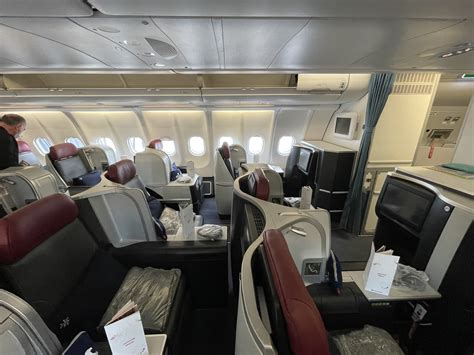
CEO Jiri Marek emphasized that the combination of modern aircraft and efficient services reflects the company’s ambition to transition from a regional player to a recognized name in international aviation, capable of meeting the demands of long-haul passengers while showcasing Serbian hospitality at a global level.
Shanghai Route Success Reflects Broader Aviation Trends
Air Serbia’s milestone coincides with broader aviation recovery trends post-pandemic, as passengers increasingly seek direct intercontinental connections that bypass traditional layover hubs. The Belgrade-Shanghai link capitalizes on this preference by offering uninterrupted, reliable service, thus solidifying Air Serbia’s role as an essential operator for Europe-Asia travel corridors.
Additionally, this success underscores Serbia’s strategic geographical position, serving as a transit gateway connecting East and West. With Belgrade as its operational nucleus, Air Serbia can expand its reach further into Asia and beyond, reducing dependence on major Western European hubs and creating direct corridors that benefit both passengers and businesses.
Future Growth Prospects and Strategic Developments
Air Serbia’s current performance on the Shanghai route is not the end of the airline’s ambitions. The company is actively evaluating the potential for expanding service frequencies and launching new routes, not just within China but to other strategically significant Asian destinations. The consistently high load factors, coupled with growing passenger interest, suggest that the market is far from saturated.
As demand patterns evolve, Air Serbia’s management employs rigorous market assessment tools to ensure that capacity expansions align with actual consumer needs. The possibility of increasing weekly frequencies on the Belgrade-Shanghai service, as well as adding other Chinese megacities such as Beijing or Shenzhen, remains under serious evaluation.
Simultaneously, Air Serbia’s strategic focus remains anchored on maintaining service quality across its long-haul network, ensuring that operational excellence accompanies any quantitative growth. The airline’s ability to dynamically respond to passenger feedback and market demands reinforces its adaptability and future-readiness in an increasingly competitive sector.
Serbia’s Role as a Europe-Asia Connector
With the Shanghai route’s success, Serbia further entrenches its role as a logistical and cultural bridge between Europe and Asia. Direct aviation links streamline trade, encourage investment, and promote tourism, all crucial for national economic growth. The opening of this air corridor complements Serbia’s broader foreign policy strategy of engaging actively with both Eastern and Western partners.
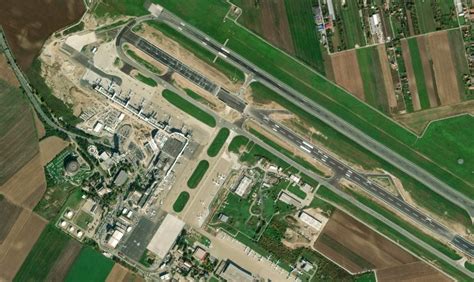
Serbia’s potential to act as a regional aviation hub receives tangible reinforcement through such developments. As Air Serbia expands its direct links to Asia, Belgrade’s Nikola Tesla Airport becomes an increasingly significant node for transcontinental travel, capable of competing with better-established European airports in facilitating East-West movements.
Conclusion: A Successful Six-Month Benchmark with Global Implications
Air Serbia’s six months of direct Shanghai service signify more than an operational benchmark—they represent a blueprint for sustainable and strategic airline growth. By successfully establishing and maintaining this route, Air Serbia not only supports increased passenger volumes but also actively contributes to strengthening Serbia-China relations, driving tourism, and facilitating business exchanges.
With over 20,000 passengers carried, consistently high load factors, and evident interest from both Serbian and Chinese travelers, Air Serbia is poised to consolidate its gains. As future expansions are considered, both in China and globally, the airline stands at the forefront of reshaping Serbia’s aviation landscape, offering a powerful testament to the potential of strategic connectivity in today’s interconnected world.