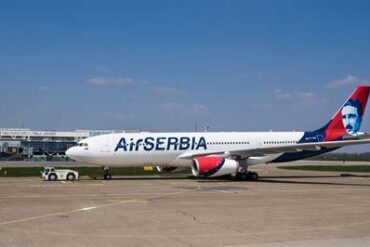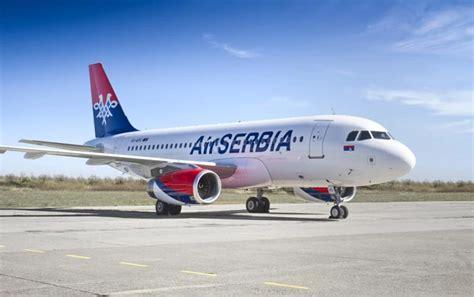
Switzerland has officially reestablished a crucial air bridge with Serbia, as Air Serbia resumes direct Belgrade–Geneva flights, responding to an intensifying wave of travel demand from both the Western Balkans diaspora and European tourists. From 23 June 2025, the route now operates three times weekly—on Mondays, Wednesdays, and Fridays—with a fourth Sunday flight added during July and August to accommodate the high-volume summer period.
This move underscores not only rising interest in cross-border travel but also Geneva’s renewed significance in Air Serbia’s evolving European network strategy. It’s a calculated response to soaring mobility demand, increased diaspora travel, and a growing appetite for efficient East–West air connections.
Strengthening Bilateral and Diaspora Links Through Air Connectivity
The resumption of the Belgrade–Geneva direct route is more than a symbolic return; it marks a tangible improvement in air connectivity between two strategically and economically intertwined regions. For Switzerland’s sizable Serbian community, estimated to number in the tens of thousands, this direct link is a long-awaited convenience, making frequent family visits, cultural events, and business engagements more feasible and less time-consuming.
The Western Balkans diaspora plays a vital economic and cultural role in Switzerland, and Geneva serves as a central hub for many. This new service allows direct and timely travel, improving the experience for travelers who were previously reliant on layovers or complex multi-leg itineraries.
Strategic Value of Geneva as a European Air Node
Geneva is not just another European city—it is a diplomatic epicenter, home to global institutions such as the United Nations, the World Health Organization, and numerous NGOs and financial entities. These global institutions attract a constant stream of international visitors, conference delegates, and diplomats.
For business travelers, a direct route from Belgrade eliminates unnecessary travel friction and enhances productivity. Simultaneously, for tourists, Geneva’s location beside Lake Geneva, its proximity to the Alps, and cultural landmarks like the Jet d’Eau, St. Pierre Cathedral, and Parc des Bastions make it an appealing destination.

Belgrade as a Gateway to Broader European Travel
Belgrade’s central hub status in Air Serbia’s network enables travelers from Geneva to seamlessly connect to other major cities including Athens, Vienna, Istanbul, and Zagreb. This positioning transforms the route into more than a point-to-point connection—it becomes a regional artery linking Southeast and Central Europe.
This network-centric model strengthens Air Serbia’s regional competitiveness, offering travelers not only direct flights but also efficient, well-timed connections to various secondary cities that are often underserved by other carriers. For budget-conscious and time-sensitive travelers alike, Belgrade emerges as a strategic layover hub.
Responding to Seasonal Travel Dynamics with Precision
Recognizing that July and August are among the busiest months for European travel, Air Serbia’s introduction of a Sunday service is a calculated move. By giving passengers an additional weekend departure option, the airline improves flexibility for short stays, family reunions, or business retreats.
This adjustment reflects a deep understanding of seasonal passenger behavior, where extended weekends, school holidays, and festival periods see a surge in bookings. Offering four weekly flights ensures that the Belgrade–Geneva corridor doesn’t become overbooked and maintains a consistently high load factor.
Air Serbia’s Growth Strategy and Modernized Fleet
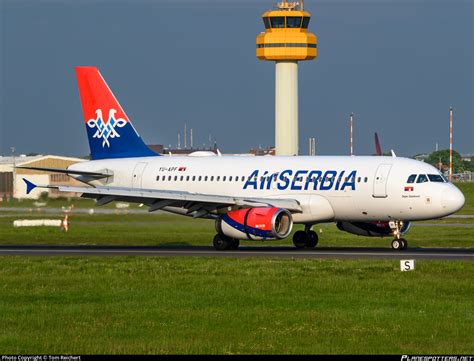
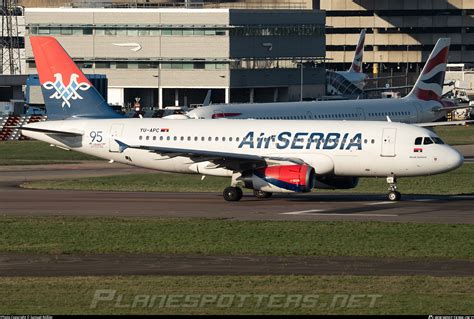
The Geneva relaunch is consistent with Air Serbia’s aggressive expansion and modernization plans. Over recent years, the airline has upgraded its fleet—employing Airbus A319s for this route—and invested in route diversity to cater to new and returning passengers alike. These aircraft are configured to offer a comfortable short-haul experience, equipped with complimentary refreshments and optional upgrade services, tailored for both economy and premium travelers.
By continuously analyzing market demand and reactivating routes accordingly, Air Serbia ensures it stays relevant in an intensely competitive European aviation landscape. This approach also aligns with post-pandemic recovery trends, where carriers seek to restore high-demand routes and maximize aircraft utilization.
Economic and Tourism Impacts of Reconnecting Switzerland and Serbia
The economic ripple effects of reinstating this air corridor are multifaceted. Direct flights simplify cross-border commerce, enabling faster and more frequent exchanges between Swiss and Serbian businesses. As Switzerland remains a key economic partner for Serbia, enhanced air access encourages bilateral trade, joint ventures, and entrepreneurial exchange.
On the tourism front, Geneva is poised to benefit from an influx of Serbian visitors, many of whom are now more inclined to consider Swiss holidays due to easier access. Ski resorts, wine routes, lakeside retreats, and charming alpine towns are now just a short flight away.
Conversely, Serbia offers European travelers a fresh alternative to mainstream tourist destinations. Cities like Novi Sad, Niš, and of course Belgrade, offer a rich blend of Ottoman, Austro-Hungarian, and Balkan history, vibrant nightlife, and scenic rural tourism, all at prices significantly lower than Western Europe.
A Symbol of Resilience and Regional Integration
In many ways, the resumption of the Belgrade–Geneva route stands as a symbol of post-pandemic resilience. It shows how carriers like Air Serbia are not only recovering but doing so with intelligence and focus. Targeting high-demand routes with strong cultural, business, and diaspora links is an efficient path to financial stability and long-term relevance.
The airline’s strategy—reinforcing high-yield, medium-haul European routes—reflects a broader industry trend: shift away from low-margin volume routes and toward quality over quantity. Moreover, this relaunch contributes to European integration, stitching together regions that, while geographically distant, are culturally and economically aligned.
Future Prospects and Strategic Expansion Possibilities
Should the Belgrade–Geneva route perform strongly, it could pave the way for further network expansion. Routes from Belgrade to other high-demand Swiss cities like Zurich or even regional hubs such as Basel might be considered. Additionally, Air Serbia may leverage this success to introduce new Western European destinations, expanding its profile and passenger base.
Geneva’s re-entry into Air Serbia’s route map is more than a box checked—it is a well-calculated investment. It recognizes the geopolitical significance of Geneva, the economic vitality of Serbian–Swiss relations, and the shifting landscape of European air travel post-COVID.
As connectivity tightens and travel demand rebounds across Europe, such route decisions will define the new era of aviation. Air Serbia, with its clear focus on diaspora mobility, business flexibility, and tourism development, is positioning itself as a central actor in Europe’s airspace realignment.
For now, the return of this direct service is a milestone worth celebrating, connecting heritage with ambition, communities with opportunity, and cities with the skies once again.