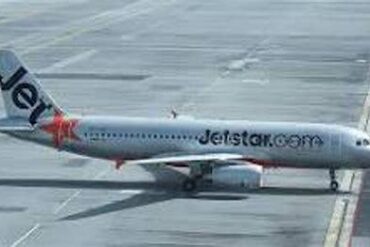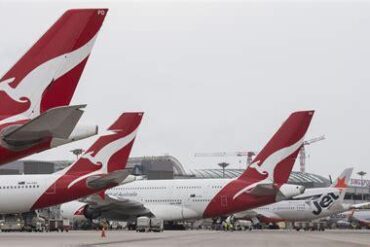
Australia’s national carrier, Qantas, has rapidly emerged as a dominant force on the new Pacific route, leaving rival Jetstar in its wake. As demand for trans-Pacific travel surges and the market undergoes significant transformation, Qantas is setting new standards in premium service, sustainability, and strategic positioning, redefining expectations for long-haul travel between Australia and the Pacific.
Qantas Rises, Jetstar Withdraws: A Tale of Two Strategies
The decision by Qantas to expand into the lucrative Pacific corridor marks a strategic victory, as Jetstar, its low-cost counterpart, exits the same market due to intensifying competition and evolving consumer preferences. While Jetstar has historically thrived in budget-conscious segments, the increasing appeal of premium travel experiences, combined with complex operational challenges, has driven a wedge between the two carriers’ fortunes.
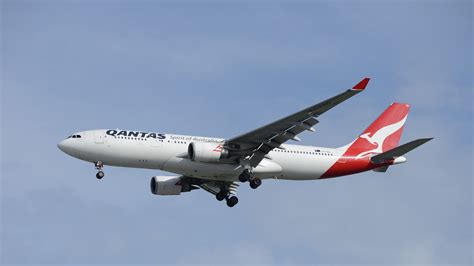
The Airbus A330-200, the backbone of Qantas’ operations on this route, provides the versatility needed for long-haul Pacific operations. On select days, the airline deploys the larger A330-300, maximizing seat availability based on demand fluctuations. This adaptability has helped Qantas absorb the region’s growing passenger volumes, especially among leisure travelers heading to destinations like Hawaii, where surfing, golfing, and beach tourism thrive year-round.
Unparalleled Cabin Comfort and Premium Experience
The hallmark of Qantas’ Pacific route success lies in its ability to offer a world-class in-flight experience that blends luxury with functionality. In business class, passengers enjoy the cutting-edge 1-2-1 seating configuration, where every traveler gets direct aisle access. Seat 5K, a particularly sought-after window seat, exemplifies the attention to detail that Qantas brings to its premium offering.
Each seat transforms into a fully flat bed that extends to 80 inches (203 cm) in length, ensuring optimal comfort for overnight travel. With 23-inch wide seats, ample legroom, and personalized surroundings, the cabin layout is designed with both rest and productivity in mind.
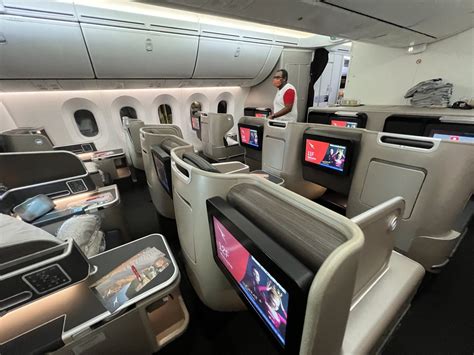
Qantas goes even further with intuitive in-seat features. A large stowable dining table allows for effortless work or dining, while built-in storage compartments keep essentials within reach. The massage function, controlled via a sleek digital panel, adds another layer of relaxation by delivering gentle lumbar therapy throughout the journey.
Passengers also benefit from a 16-inch high-definition entertainment system, adjustable ambient lighting, USB and power outlets, and thoughtfully designed amenities such as noise-canceling headphones and complimentary pajamas—though only L/XL sizes were available on the inaugural flight.
Precision-Driven Service and Operational Excellence
Qantas’ operational efficiency was on full display during the inaugural flight of the Pacific route. The aircraft departed punctually, and the cabin crew delivered impeccable service with palpable enthusiasm. Approximately one hour into the flight, the crew initiated a well-timed meal and beverage service, allowing passengers to rest and adjust before dining—an approach particularly appreciated during red-eye journeys.
Qantas continues to refine its inflight dining experience, offering regional dishes and award-winning Australian wines, elevating the culinary component of its premium cabins. This attention to both macro-level strategy and micro-level customer experience underscores why Qantas has managed to outpace Jetstar in this fiercely competitive arena.
Thoughtful Luggage and Sports Equipment Policies
Qantas understands the diverse needs of its trans-Pacific passengers. For those traveling with sports gear, especially golf bags and surfboards, the airline permits these items within the checked baggage allowance—so long as they do not exceed 32 kilograms in weight or a combined length of 277 centimeters. This policy caters directly to leisure tourists eyeing Hawaii’s beaches and fairways.
Business class travelers enjoy a generous checked baggage policy, allowing up to four pieces depending on frequent flyer status. Cabin baggage is tiered according to class, with 10 kilograms permitted in premium cabins and 7 kilograms in economy. An additional personal item, such as a briefcase or handbag, is also allowed, offering flexibility for all travelers.
Qantas Loyalty: A Rewarding Proposition
Qantas’ frequent flyer program is another major draw for travelers. Business class passengers earn between 9,750 to 15,750 Qantas Points and an impressive 150 status credits per round trip, making the route a highly lucrative choice for loyal customers. These points can be used for upgrades, lounge access, or future travel, enriching the overall customer journey.
This loyalty ecosystem gives Qantas a distinct edge, reinforcing repeat travel behavior and increasing brand affinity across customer segments.
Competitive Landscape: Jetstar’s Exit and Market Recalibration
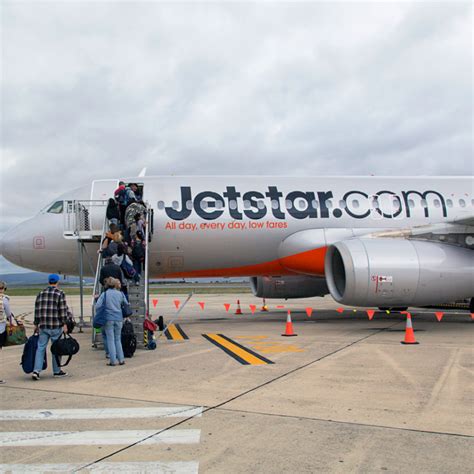
Jetstar’s exit from the Pacific market reveals the pressures faced by low-cost carriers in premium-dominated routes. While Jetstar focused on affordability and barebones service, Qantas’ high-touch model—complete with superior seating, entertainment, and service—appealed more to consumers in the post-pandemic era who prioritize comfort, health security, and reliability.
Shifts in consumer behavior, including the rise of blended travel (a mix of business and leisure), have further complicated Jetstar’s position. Qantas, by contrast, is capitalizing on these shifts with well-curated offerings that resonate with modern travelers.
Sustainability at the Core of Expansion Strategy
While expanding its international presence, Qantas remains committed to environmental responsibility. The airline has pledged to achieve net-zero carbon emissions by 2050, backing its promises with real investment. In collaboration with Airbus, Qantas has committed A$400 million toward sustainability initiatives.
In May 2025, the airline completed its largest-ever importation of sustainable aviation fuel (SAF) into Australia—a milestone in the country’s aviation history. By investing in low-emission technology, efficient aircraft, and green fuels, Qantas is not just charting new routes in the sky, but also on the path to responsible air travel.
These initiatives position Qantas as a global leader in sustainable aviation, appealing to environmentally conscious consumers and stakeholders who value long-term ecological impact.
Regional Competition: Air New Zealand’s Resurgence
The Pacific market is not solely Qantas’ domain. Air New Zealand has resumed its seasonal service to Noosa, injecting over 17,000 seats into the trans-Tasman corridor. This service adds valuable competition and fuels growth in regional tourism, especially in Queensland’s Sunshine Coast, a favorite winter getaway for New Zealanders.
While not directly in competition on Qantas’ Pacific route, Air New Zealand’s move signifies a broader revitalization of the region’s aviation network. Airlines across the Pacific are reshaping their strategies, ensuring they cater to both pent-up demand and evolving travel expectations.
Outlook: Qantas Sets the Pace in a Changing Landscape
The Pacific route’s success has proven to be more than a lucky break for Qantas—it is the result of precision planning, investment in premium services, and a strong grasp of what modern travelers truly value. From enhanced cabin features to strategic baggage allowances, loyalty rewards, and green commitments, the airline has orchestrated a compelling case for leadership in the region.
Jetstar’s retreat, while notable, underscores a broader trend: airlines must evolve or exit. The dynamics of the Pacific market are shifting rapidly, and only those willing to adapt and innovate will remain competitive.
Qantas’ bold move into this high-demand route, combined with its sustainability goals and superior service model, represents the future of international air travel. In a region historically dictated by seasonal trends and low-cost wars, Qantas has redefined the game—not by lowering prices, but by elevating the experience.