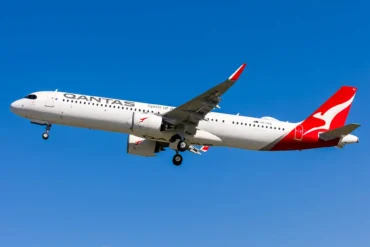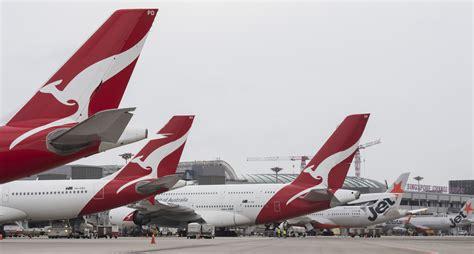
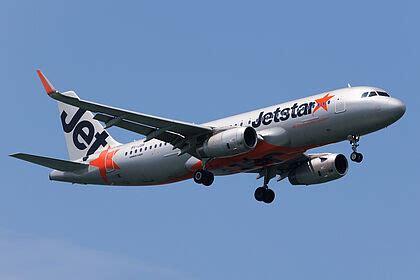
Qantas Group is embarking on a bold strategic overhaul by shutting down its Singapore-based low-cost subsidiary, Jetstar Asia, effective 31 July 2025. This decisive move signifies a renewed focus on strengthening high-performing markets across Australia and New Zealand. As part of this transition, thirteen Airbus A320s from Jetstar Asia’s fleet will be redeployed to enhance domestic and trans-Tasman capacity, replace aging aircraft, and fuel growth in core regions.
The closure of Jetstar Asia marks the end of an era, bringing to a close over two decades of service under the Qantas umbrella in Southeast Asia. While this decision ends Qantas’ long-standing multi-airline presence in the region, it opens the door for aggressive expansion within its most profitable markets. The shift comes at a time when rising competition and cost pressures have made it increasingly difficult for low-cost carriers to operate sustainably in Southeast Asia.
Rising Competition and Cost Pressures Trigger Exit
Jetstar Asia’s closure illustrates the mounting challenges faced by low-cost carriers (LCCs) operating in Southeast Asia’s crowded aviation market. Once seen as a strategic foothold in the region, Jetstar Asia has struggled to maintain profitability amid rising fuel costs, increasing airport charges, and a proliferation of budget carriers offering similar routes. Qantas Group acknowledged that although Jetstar Asia had contributed to its regional presence, the current cost structure and intensifying competition made continued investment untenable.
This decision is aligned with the Group’s renewed focus on asset efficiency and market prioritization, reflecting a broader trend among airlines worldwide as they reassess their post-pandemic footprints. While passenger demand in Southeast Asia continues to recover, Qantas is strategically choosing to concentrate on core markets where returns are stronger and brand loyalty runs deeper.
Reallocation of Fleet to Power Domestic and Trans-Tasman Growth
Rather than retiring the aircraft from Jetstar Asia, Qantas is seizing the opportunity to bolster its home operations. The thirteen Airbus A320s will be integrated into Jetstar Australia and QantasLink’s operations, contributing to fleet modernization and reducing reliance on older, more expensive leased jets. This redeployment will allow Qantas to increase capacity on routes experiencing high demand, particularly in Australia’s domestic leisure and regional segments.
Additionally, this strategic move supports the expansion of trans-Tasman services connecting Australia and New Zealand — a corridor that continues to demonstrate robust travel demand from both tourism and business sectors. The integration of these aircraft is viewed as a proactive measure to ensure Qantas maintains its competitive edge in markets that are both strategic and financially rewarding.
Minimal Disruption to Singapore’s Connectivity
While the closure signifies the end of Jetstar Asia’s role in Singapore’s low-cost aviation landscape, the impact on Changi Airport’s connectivity is expected to be minimal. The majority of Jetstar Asia’s routes are already served by a variety of airlines, including both full-service and low-cost competitors. Aviation analysts indicate that very few of the airline’s destinations were unique to Jetstar Asia, suggesting that other carriers are likely to absorb any displaced capacity without significant disruption to passenger flow or route availability.
Singapore’s aviation sector remains well-positioned to handle this transition, with dominant players such as Singapore Airlines, Scoot, and other regional carriers maintaining extensive networks throughout the region.
A Strategic Retreat from Multi-Airline Ambitions
Qantas’s exit from Jetstar Asia represents more than just the shutdown of a regional subsidiary; it signifies a broader retreat from the group’s earlier ambition of establishing a network of Jetstar-branded carriers across the Asia-Pacific. Over the past two decades, Qantas pursued an ambitious expansion model involving joint ventures and regional affiliates, aiming to replicate its low-cost success beyond Australian borders. However, shifting market dynamics, economic uncertainties, and operational complexities have necessitated a reevaluation of this strategy.
Jetstar’s ventures in Vietnam and Japan have yielded mixed results, and the latest exit from Singapore reflects a recalibrated approach focused on fewer, more profitable operations. This strategic pivot aligns with Qantas’s ongoing efforts to simplify its operations, reduce overheads, and remain agile in response to future market fluctuations.
Focusing on Home Market Momentum
Ultimately, the decision to shut Jetstar Asia is rooted in resource optimization. Qantas is capitalizing on strong domestic travel demand and rising bookings across Australia and New Zealand, where it holds a commanding market share and enjoys strong brand equity. With a resurgence in tourism and a gradual recovery in business travel, Australasia remains a bright spot for Qantas.
This investment in core markets reflects broader industry trends, as many airlines return to their roots, focusing on home-ground advantages rather than extending operations into volatile international markets. By concentrating on its domestic and trans-Tasman strengths, Qantas is executing a prudent strategy that aligns with passenger demand, revenue potential, and cost efficiency.
Looking Ahead: Leaner and More Focused
While the closure of Jetstar Asia might seem like a contraction, it should be viewed as a strategic realignment. The Qantas Group is leveraging its assets to strengthen its position in the Australasia region, a decision grounded in financial logic and long-term sustainability. The closure of Jetstar Asia is not merely a retreat; it signals the launch of an aggressive fleet redeployment strategy aimed at reinforcing core markets in Australia, Singapore, and New Zealand.
This shift not only demonstrates Qantas’s commitment to growth in high-performing domestic and regional routes but could also serve as a blueprint for other legacy carriers reassessing the viability of their foreign joint ventures and regional offshoots. In a post-pandemic aviation landscape defined by the need for flexibility and resilience, Qantas is positioning itself to remain lean, focused, and prepared for future opportunities.