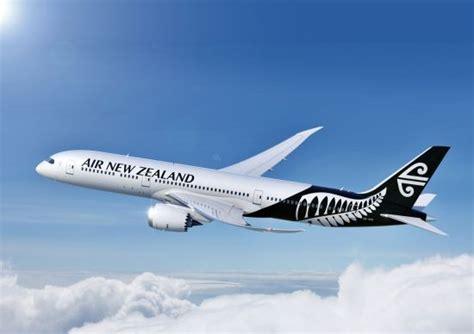
In a bold and timely effort to reignite Chinese tourism to the South Pacific, Air New Zealand, Air China, and Tourism New Zealand have entered into a multi-pronged strategic alliance aimed at aggressively marketing the country as a top-tier travel destination for Chinese travelers. This trilateral collaboration comes with a NZD 700,000 joint marketing investment, an assertive step designed to not only attract more Chinese tourists but also to reinforce New Zealand’s position in a highly competitive international tourism market.
The initiative is as much about economic stimulation as it is about cultural connection. With China representing New Zealand’s third-largest source of international visitors, contributing approximately 8% of total arrivals, the importance of the Chinese market cannot be overstated. For the year ending March 2025, visitor numbers from China are projected to surge to 248,000, reflecting an impressive 18% year-on-year growth—a clear sign of the market’s post-pandemic revival.
Air New Zealand Expands Its Commitment to the Chinese Market
As a critical player in trans-Pacific air connectivity, Air New Zealand is reaffirming its strategic commitment to China through this renewed alliance. CEO Greg Foran highlighted the economic and cultural value of China as a market, noting the pivotal role the Shanghai–Auckland route has played in the last decade. This route has not only facilitated cargo and commerce but also served as a vital corridor for connecting families, tourists, and businesses.
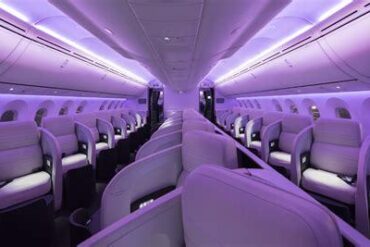
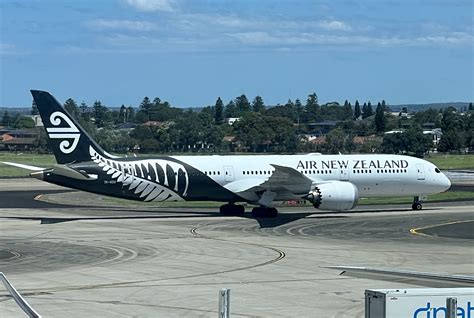
As part of the initiative, Air New Zealand will introduce newly configured 787 Dreamliner aircraft on this route, starting October. These aircraft will feature enhanced passenger comfort and more premium seating—33% more premium seats, to be exact—catering to the growing segment of affluent Chinese travelers seeking elevated travel experiences.
This investment is not merely a refresh of hardware; it signals a broader intention to reshape the experience Chinese travelers have when choosing New Zealand. The upgraded cabins include state-of-the-art in-flight entertainment, modern design aesthetics inspired by Māori and Pacific heritage, and curated services specifically aimed at enhancing the experience for Chinese-speaking passengers.
Tourism New Zealand Amplifies Its Messaging to a New Generation of Chinese Travelers
With tourism trends rapidly evolving, Tourism New Zealand is laser-focused on capturing the attention of a digitally savvy, experience-driven generation of Chinese tourists. The agency’s CEO has reiterated that this partnership enables them to align closely with market demands, offering compelling narratives about New Zealand’s unique mix of nature, culture, and lifestyle.
Campaigns under this partnership will harness advanced digital marketing strategies including social media activations on WeChat, Douyin, and Xiaohongshu, as well as immersive storytelling content designed to highlight destinations like Queenstown, Rotorua, and Fiordland. The intent is not only to showcase the natural grandeur of Aotearoa but to tap into key travel motivations—eco-tourism, luxury escapes, and cultural discovery—that are gaining popularity among Chinese outbound travelers.
New Zealand’s rugged landscapes, Māori heritage, and clean-green image strongly align with the values of younger Chinese tourists who seek authenticity and sustainability. The collaborative campaigns are expected to roll out in phases over the next year, focusing on high-value visitor markets in Shanghai, Beijing, and Guangzhou.

Air China Bolsters Its Role as Cultural and Commercial Bridge
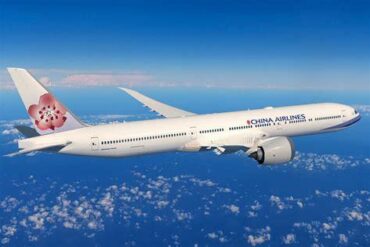
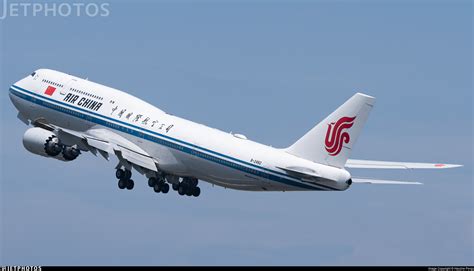
For Air China, the alliance is not merely a marketing vehicle—it represents a broader commitment to being a cultural bridge between two nations with growing economic and diplomatic ties. With direct flights to Auckland from major Chinese cities, Air China has played a substantial role in supporting the flow of travelers, students, and cargo between the two countries.
Air China’s integration into this joint venture enhances the reach and scale of the campaign. By leveraging its established reputation and customer loyalty across China, Air China is uniquely positioned to stimulate interest in New Zealand beyond the traditional travel corridors. Its role will also involve promotional efforts across its own digital ecosystem, onboard branding, and co-branded content across travel platforms.
Furthermore, the airline’s involvement ensures a seamless end-to-end travel experience, from marketing to booking to arrival, especially for travelers who value familiarity, convenience, and bilingual services.
Government Backing Signals National-Level Support for Tourism Growth
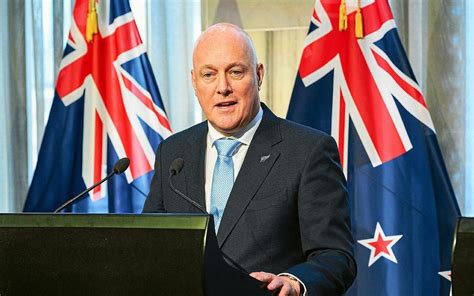
The high-profile nature of this collaboration was underscored by New Zealand Prime Minister Christopher Luxon, who welcomed the partnership as a cornerstone of the country’s post-COVID tourism recovery plan. Luxon emphasized that Chinese tourism is not only about numbers—it plays a vital role in job creation, community development, and cultural diplomacy.
Before the pandemic, China was New Zealand’s largest source of inbound visitors by spending, and restoring that economic channel is critical to reviving regional tourism economies, especially in areas heavily reliant on international tourists. From hotels and tour operators to small-town cafes and artisans, a resurgence in Chinese visitors has the potential to reignite broad segments of the economy.
“This partnership is an example of the public-private collaboration we need to rebuild our visitor economy. It’s a direct investment into our communities,” said Luxon. The NZD 700,000 commitment is seen as a catalyst for long-term, sustainable growth, rather than a one-time spike in arrivals.
Cultural Understanding and Market Nuance Drive Campaign Success
Central to this campaign is a deep understanding of the Chinese consumer mindset. Unlike generic tourism advertising, this initiative is informed by years of market research and trend forecasting. For example, Tourism New Zealand recognizes the importance of travel influencers (KOLs), family travel units, and wellness retreats, which are increasingly popular among Chinese travelers.
Rather than simply promoting landscapes, the campaign focuses on emotionally resonant experiences, such as stargazing under the dark skies of Lake Tekapo, learning haka from Māori cultural hosts, or enjoying farm-to-table dining in Marlborough wine country. These narratives will be woven into multi-channel campaigns, from in-flight videos to destination guides distributed through Chinese travel agencies.
Another core strategy is aligning with China’s public holidays such as Golden Week and Chinese New Year, optimizing flight capacity and promotional offers to coincide with peak travel seasons. Special travel packages, including bundled airfare, accommodation, and activities, are in development to make the decision-making process seamless for Chinese consumers.

Future-Proofing New Zealand’s Tourism Sector Through Strategic Alignment
Looking ahead to 2025 and beyond, the joint efforts between Air New Zealand, Air China, and Tourism New Zealand are not merely tactical. They represent a strategic alignment for future-proofing the country’s most vital tourism sectors. The partnership is setting the foundation for resilient and sustainable growth, ensuring that New Zealand remains a desirable destination even as global travel preferences shift.
By placing the Chinese visitor at the center of a customized and culturally sensitive travel experience, New Zealand is doing more than attracting tourists—it’s forging deeper ties that span commerce, education, and diplomacy. The focus is on creating repeat visitors, not one-time travelers, by offering experiences that resonate and inspire return trips.
As the Chinese outbound tourism market continues to evolve, with increased demand for experiential travel, authenticity, and digital connectivity, New Zealand’s adaptive strategy through this tripartite collaboration places it in an enviable position. With targeted marketing, upgraded infrastructure, and supportive government policy, the foundation has been laid for robust and sustainable growth in Chinese inbound tourism.
Conclusion: A Milestone in Bilateral Tourism Relations
The strategic partnership between Air New Zealand, Air China, and Tourism New Zealand is more than a marketing collaboration—it is a symbol of renewed confidence, smart investment, and shared vision. With NZD 700,000 dedicated to reaching Chinese travelers, the initiative is expected to deliver significant returns in visitor arrivals, tourism spend, and bilateral goodwill.
As new cabins take flight, digital campaigns roll out across China’s biggest platforms, and government support remains steady, this collaboration sets a benchmark for international tourism recovery. More than a rebound, it marks the beginning of a new chapter in New Zealand’s tourism narrative, one where connection, culture, and commerce converge for mutual prosperity.