In an era where global tourism is steadily regaining its momentum, Boeing’s latest 20-year commercial aircraft forecast has captured the attention of industry leaders, policymakers, and travel enthusiasts alike. The American aerospace giant predicts a staggering 40% surge in global air travel demand by 2030, marking a significant turning point for aviation and tourism worldwide. This growth, reflective of the aviation sector’s robust post-pandemic recovery, is set to redefine how people explore the world, with profound implications for economies, airlines, and tourist destinations.
At the heart of Boeing’s vision is the projection that the world will require approximately 43,600 new aircraft by 2044. This slightly revised figure, down from an earlier estimate of 43,975, signals not a contraction, but rather a refined outlook in response to subtle shifts in economic and market conditions. Boeing’s forecasts align closely with those of its European counterpart, Airbus, showcasing a shared optimism about the resilience and expansion of air travel despite the lingering challenges facing the global economy.
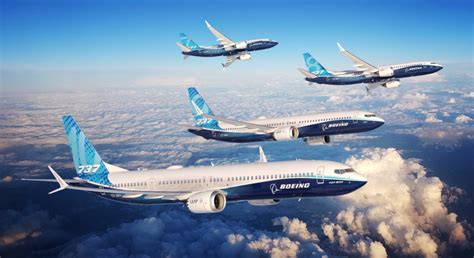
Boeing’s Forecast: A Blueprint for Unprecedented Aviation Growth
Boeing’s detailed breakdown of aircraft demand reveals critical insights into the future of aviation. The forecast calls for about 33,300 single-aisle planes, underscoring the dominance of versatile models like the 737 MAX and Airbus A320neo series that are favored for their efficiency on both short-haul and medium-haul routes. Meanwhile, more than 7,800 wide-body aircraft will be needed to support long-haul international routes, along with 955 freighters and 1,545 regional jets to bolster cargo operations and connect smaller markets.
Passenger traffic is now expected to grow at 4.2% annually, a slight downgrade from the prior 4.7% projection, while cargo demand is forecast to increase by 3.7% per year, down from 4.1%. These adjustments reflect global economic headwinds, including tempered GDP growth now anticipated at 2.3%, yet they do not dampen the aviation industry’s long-term confidence. Instead, they highlight the sector’s remarkable ability to adapt to complex, shifting conditions without losing sight of overarching expansion goals.
Regional Dynamics: China, India, and South Asia at the Helm
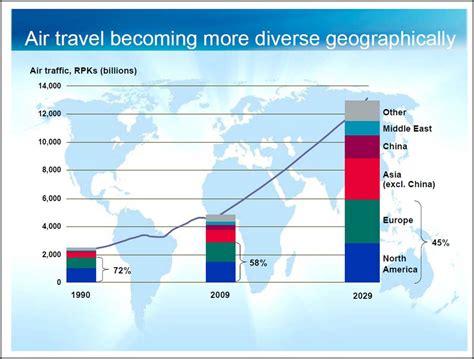
A major driver of this aviation surge will be Asia’s booming economies, with China and India leading the charge. Together with other South Asian markets, these regions are projected to account for half of all new aircraft demand, reflecting a powerful combination of population growth, rising disposable incomes, and infrastructural investments aimed at improving air connectivity. For instance, China alone currently represents 10% of Boeing’s aircraft backlog, a figure expected to rise as trade tensions ease and deliveries resume.
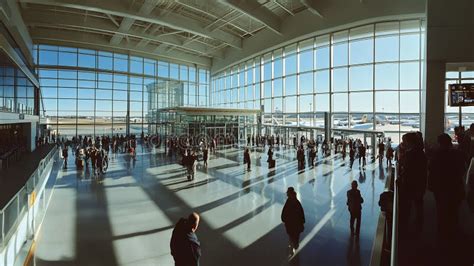
In contrast, mature aviation markets like North America and Europe are set to focus primarily on fleet renewal rather than expansion. Airlines in these regions will prioritize replacing aging aircraft with next-generation fuel-efficient models to reduce operational costs and meet increasingly stringent environmental standards. This dual dynamic — capacity expansion in emerging markets and fleet modernization in established ones — will be central to shaping the global aviation landscape over the coming decade.
Implications for the Global Tourism Sector
The aviation boom projected by Boeing is poised to be a catalyst for the transformation of global tourism. As airlines acquire new aircraft and expand their networks, travelers will benefit from enhanced accessibility and affordability, opening the doors to destinations that were previously underserved or inaccessible. The expansion of direct international routes from regional airports will not only drive visitor numbers but also support the growth of local economies dependent on tourism.
Fuel-efficient aircraft like the 737 MAX and 787 Dreamliner will enable airlines to offer competitive fares, stimulating both leisure and business travel. This will be particularly impactful in developing regions where the affordability of air travel has historically been a barrier to tourism growth. The ripple effect will see hospitality sectors, tour operators, and local attractions adapting to welcome a more diverse and international clientele.

However, this surge in demand also brings challenges. Airlines will face heightened competition as they vie for market share, pushing them to innovate and enhance passenger experiences while controlling costs. Staffing shortages, a lingering issue in the wake of the pandemic, could strain operational efficiency and impact service quality unless addressed through robust recruitment and training initiatives. Furthermore, increased air traffic will place pressure on airport infrastructure, requiring significant investment in upgrades and expansions to accommodate the growing number of passengers.
Production Challenges and Safety Concerns: The Balancing Act
Even as Boeing and Airbus gear up to meet soaring demand, they must navigate ongoing production challenges. Boeing, in particular, continues to face scrutiny over the 737 MAX, a model once grounded worldwide following two fatal crashes. Although the aircraft has since returned to service with enhanced safety systems, a recent Air India Boeing 787-8 incident has reignited safety discussions, underscoring the critical importance of rigorous oversight and continuous improvement in aircraft design and manufacturing.
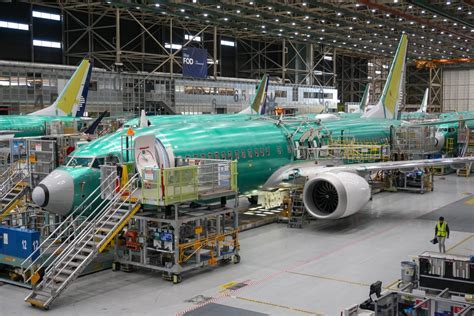
Boeing CEO Kelly Ortberg has reaffirmed the company’s commitment to addressing these issues head-on, focusing on both restoring confidence in its products and ramping up production to pre-pandemic levels. For both Boeing and Airbus, the challenge will be balancing the need to deliver thousands of new aircraft with the imperative to maintain the highest safety and quality standards — a task made more complex by global supply chain constraints and labor shortages.
Environmental and Economic Considerations
The forecasted aviation boom inevitably raises questions about its environmental impact. With more aircraft taking to the skies, the industry will face mounting pressure to align with international climate goals, including the International Air Transport Association’s (IATA) target of net-zero carbon emissions by 2050. Airlines will need to invest in sustainable aviation fuels (SAFs), carbon offset programs, and next-generation aircraft technologies to mitigate their environmental footprint.
The economic implications are equally far-reaching. The surge in air travel will generate millions of jobs across aviation, tourism, hospitality, and related industries, providing a vital boost to economies still recovering from the disruptions of the COVID-19 pandemic. At the same time, governments and regulators will need to ensure that infrastructure development keeps pace with demand, from expanding airport capacity to modernizing air traffic control systems.
Looking Ahead: A New Golden Age for Air Travel
Boeing’s 20-year outlook paints a picture of an aviation sector on the cusp of a new golden age, characterized by unprecedented connectivity, technological innovation, and tourism growth. As airlines place record orders for new aircraft and expand their route networks, the world is set to become smaller, more interconnected, and more accessible than ever before.
For travelers, this means greater choice, convenience, and value. For tourism-dependent economies, it represents an opportunity to diversify and grow. And for the aviation industry, it signals a future filled with both promise and responsibility — a future in which safety, sustainability, and service excellence will define the next chapter of global air travel.