India’s flag carrier Air India has unveiled a sweeping expansion of its regional flight network, significantly boosting services to Kathmandu, Colombo, and Bangkok in response to robust passenger demand. This move, effective from July 7, 2025, is a strategic initiative designed to enhance connectivity across South and Southeast Asia, and position Air India as a premium option for both leisure and business travelers.
The expansion brings the total number of weekly flights on these routes to a remarkable 116, demonstrating the airline’s commitment to capturing market growth and reinforcing its presence in Asia’s most dynamic travel corridors.
Strengthening Regional Hubs With Increased Frequencies
Air India’s revised schedule marks a substantial uplift in flight frequencies on three of its most sought-after routes. Kathmandu, the capital of Nepal, will now be served by 42 weekly flights, including a newly added sixth daily flight between Delhi and Kathmandu. The increased connectivity not only caters to the burgeoning leisure market driven by Himalayan tourism but also supports a surge in bilateral business travel.
In Colombo, the airline has doubled service from 7 to 14 weekly flights, introducing a second daily flight between Delhi and Colombo. This move underscores the growing commercial and cultural linkages between India and Sri Lanka, especially as Colombo continues to evolve into a financial and tourism hub in the Indian Ocean region.
Meanwhile, Bangkok, one of the most popular tourist destinations in the world, sees a notable frequency enhancement as Air India boosts services from 13 to 18 weekly flights on its Mumbai–Bangkok route, adding a crucial third daily flight. This decision not only aligns with surging outbound tourism from India but also reflects the strategic importance of Thailand’s capital as a key Asian transit hub.
Strategic Capacity Expansion and Service Enhancements
Beyond increasing the number of flights, Air India is introducing a noteworthy increase in seat capacity. Over 7,000 additional seats per week are being deployed across the newly optimized routes to Kathmandu, Colombo, and Bangkok. This expansion allows Air India to relieve the pressure of overbooked flights during peak seasons and offer more flexibility to passengers.
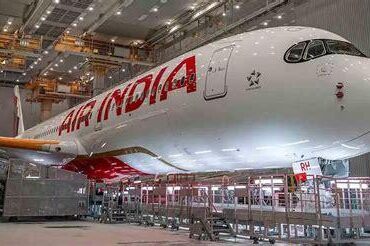
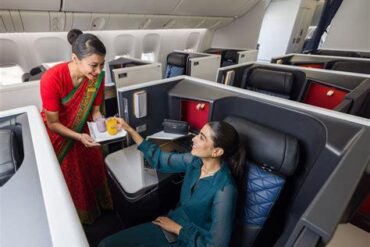
The flights will primarily be operated using narrowbody Airbus A320 family aircraft, configured in a three-class layout that includes the carrier’s increasingly popular Premium Economy Class. This cabin class, a middle ground between Economy and Business, offers added comfort, extra legroom, enhanced catering, and priority services — appealing to travelers seeking affordable luxury and convenience.
This multi-tiered approach aligns with Air India’s broader transformation strategy aimed at enhancing the in-flight experience while retaining the airline’s full-service legacy. Whether it is onboard meal offerings, crew hospitality, or in-flight entertainment, passengers on these routes will benefit from an upgraded service environment designed to match international standards.

Tapping into Multinational Demand and Global Transit Flows
One of the defining features of Air India’s expansion is its impact on international connectivity. The enhanced frequencies to Kathmandu, Colombo, and Bangkok serve not only Indian travelers but also international passengers flying into India from major global cities such as New York, Toronto, London, Paris, Frankfurt, and Singapore.
Through Delhi and Mumbai, Air India’s hub-and-spoke model allows for seamless one-stop travel across continents. A traveler flying from Europe to Kathmandu, for instance, can now enjoy smoother transits, better flight timings, and reduced layovers — factors that are increasingly important in a competitive global aviation landscape.
This move is especially significant given the increasing volumes of international transit traffic through India, positioning the country as a viable alternative to traditional Middle Eastern or Southeast Asian transit hubs.
Reinforcing Air India’s Global Strategy Post-Privatization
Since its privatization and acquisition by the Tata Group, Air India has been aggressively repositioning itself as a world-class airline, undergoing a brand overhaul, modernizing its fleet, enhancing digital capabilities, and expanding its international footprint. The addition of frequencies to Kathmandu, Colombo, and Bangkok represents a tactical phase in this larger vision.
These cities were not chosen arbitrarily. Kathmandu represents spiritual tourism and mountainous adventure. Colombo reflects cultural proximity and commercial synergy. Bangkok is a gateway to ASEAN and a magnet for both budget and luxury travelers. By intensifying its operations in these markets, Air India is anchoring itself deeper into corridors that combine tourism potential with economic importance.
Meeting Passenger Demand with Precision and Timeliness
The timing of the launch, coinciding with the mid-year travel peak, is strategic. The months of July and August see heightened travel activity due to school holidays, monsoon escapes, and festive family visits. By increasing availability and spreading frequencies throughout the day, Air India allows for better itinerary planning and reduces dependency on limited flight windows.
These additional services also open up possibilities for short weekend getaways, especially for passengers from Delhi and Mumbai, where high-income urban consumers frequently plan short holidays to nearby international destinations.
Moreover, business travelers — particularly those involved in bilateral trade, startups, and technology exchanges — benefit from more frequent flights and the added Premium Economy offering, which delivers comfort without the high price tag of business class.
Competitive Edge in the Regional Aviation Market
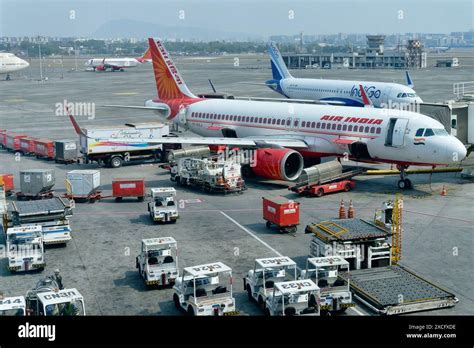
The South and Southeast Asian aviation market is becoming intensely competitive, with airlines like IndiGo, SriLankan Airlines, Thai Airways, and Batik Air aggressively expanding their routes and modernizing their fleets. Air India’s move to increase frequencies and improve product offerings is essential to retain market share and differentiate itself from low-cost competitors.
The decision to fly multiple times daily, instead of simply adding destinations, also signals a focus on reliability and customer choice — a crucial differentiator for full-service carriers. Instead of stretching resources thin over a broad area, Air India is deepening its coverage in high-demand sectors, building density that is vital for sustainable profitability.
Connectivity for Tier-2 and Tier-3 Indian Cities
Another important consequence of this expansion is the indirect benefit for passengers flying from Tier-2 and Tier-3 Indian cities, such as Lucknow, Nagpur, Ahmedabad, Kochi, and Chandigarh. Through Air India’s growing domestic network, travelers from these smaller cities can now connect more efficiently to Kathmandu, Colombo, or Bangkok through Delhi or Mumbai.
This underscores Air India’s aim to become an inclusive international connector, offering pan-India access to international destinations without routing passengers through foreign hubs. This level of integration brings down total travel time and enhances the overall travel experience.
Looking Ahead: More Growth on the Horizon
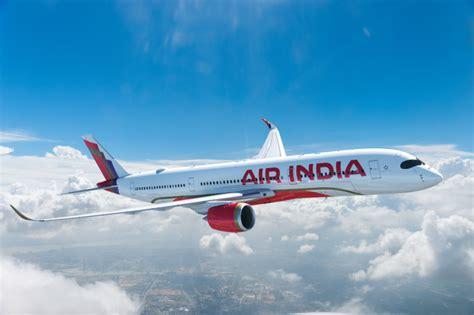
Air India’s move is just one chapter in a broader expansion story. With increasing aircraft deliveries expected in the coming years — including wide-body Boeing 787s and Airbus A350s — the carrier is expected to further widen its international reach, targeting Europe, East Asia, and the US with more non-stop services.
The addition of routes to Kathmandu, Colombo, and Bangkok sets a template for future growth: focus on demand-rich corridors, build schedule density, offer product differentiation, and strengthen global connectivity.
Final Thoughts
By expanding its services to Kathmandu, Colombo, and Bangkok, Air India is responding directly to passenger demand, market trends, and strategic imperatives. This move highlights the airline’s renewed agility and customer-centric focus, both of which are critical in today’s competitive aviation landscape.
In doing so, Air India is not just flying more planes to more cities — it is redefining what regional air travel can look like in the post-pandemic, digital-first, experience-driven world of international aviation.