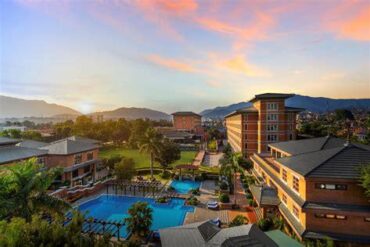
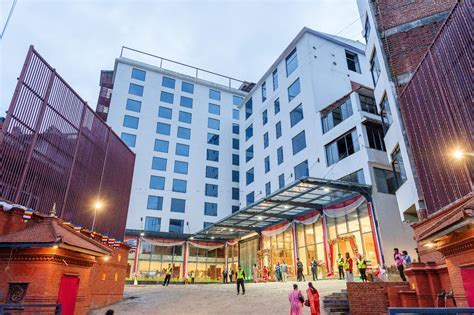
Nestled in the beating heart of Kathmandu’s Lalitpur district, the Royal Tulip Kathmandu has officially opened its doors, marking a defining moment for Nepal’s upscale hospitality sector and heralding India’s pivotal role in accelerating the luxury hotel boom across South Asia. As the flagship property of Louvre Hotels Group in Nepal and managed by Sarovar Hotels, this 308-room behemoth isn’t just the largest hotel in the country—it is now the centerpiece of Nepal’s MICE (Meetings, Incentives, Conferences, and Exhibitions) ambitions.
A Strategic Triumph: Prime Location Meets Unmatched Connectivity
Perched along Gwarko Ring Road, Royal Tulip Kathmandu enjoys a strategic urban address just 3.5 kilometers from Tribhuvan International Airport, offering unmatched accessibility for domestic and international guests. This location isn’t merely geographical convenience—it’s a calculated move to position the property at the convergence of commercial vibrancy and cultural richness. With Kathmandu’s historic Durbar Square, the bustling Thamel district, and major diplomatic zones within arm’s reach, guests are guaranteed both efficiency and exploration.
Developed by The Massif Hotel Pvt. Ltd., the Royal Tulip is more than a hospitality venture—it’s a statement of aspiration and confidence in Nepal’s growing tourism and business sectors. As the city evolves into a regional business hub, this hotel establishes itself as an essential artery in that transformation.
Elevating MICE Capabilities in the Himalayas
The defining crown jewel of the Royal Tulip Kathmandu lies in its next-generation MICE infrastructure. With over 30,000 square feet of purpose-built event space, the hotel offers scalable solutions for virtually every format and scale.
The twin 11,000 square-foot banquet halls are meticulously designed to host high-capacity events, from multinational conferences to luxurious wedding receptions. These grand spaces are complemented by six versatile meeting rooms—each fitted with cutting-edge audiovisual technology, ergonomic seating, and flexible layouts that cater to board meetings, workshops, and brainstorming sessions.
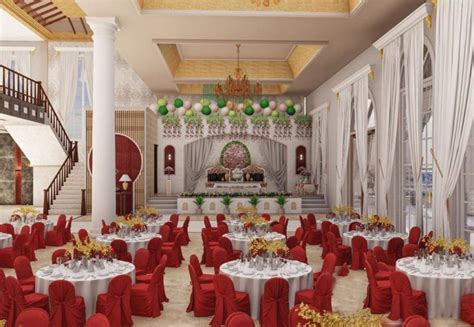
What truly enhances the MICE appeal is the dedicated boardroom and breakout areas, fostering a seamless flow of collaborative energy and networking opportunities. Furthermore, the parking facility for up to 600 vehicles alleviates a common logistical challenge in large-scale gatherings, offering unmatched convenience for planners and participants alike. These facilities establish Royal Tulip Kathmandu as the new epicenter for corporate and social events in Nepal.
Redefining Luxury Living: Comfort, Craftsmanship, and Culture
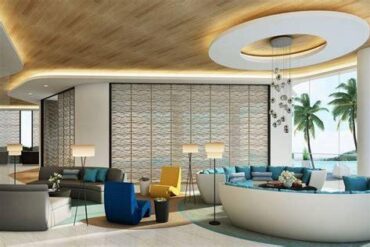
Royal Tulip Kathmandu doesn’t stop at function; it elevates form and experience. Out of the total 308 rooms, 104 rooms are now operational, providing a sophisticated glimpse into the hotel’s luxury ethos. Each room reflects an intentional fusion of contemporary elegance with Nepali design influences, embracing both cultural authenticity and modern hospitality standards.
Guests are enveloped in an atmosphere of thoughtful luxury, with features such as plush bedding, high-speed internet, flat-screen televisions, and spa-quality amenities. From deluxe rooms ideal for short stays to sumptuous suites offering panoramic city views, Royal Tulip caters to a spectrum of travelers without compromising on quality.
Crucially, the rooms are designed not only for relaxation but also for productivity. Functional workspaces, soundproofing, and intuitive lighting contribute to an environment where business travelers can remain focused and efficient.
Gastronomy as an Experience: Local Flavor Meets Global Standards
Royal Tulip Kathmandu takes culinary ambition seriously. Lalitpur Café, the hotel’s all-day dining restaurant, delivers a wide-ranging international menu while celebrating the depth and diversity of Nepali cuisine. With open kitchens, live counters, and an inviting ambience, it serves as both a casual social spot and a business lunch destination.
For refined indulgence, the Alpine Lounge & Bar provides an upscale setting with curated beverages, gourmet small plates, and live music performances. The ambiance here speaks to Kathmandu’s cosmopolitan flair, attracting hotel guests and city dwellers alike.
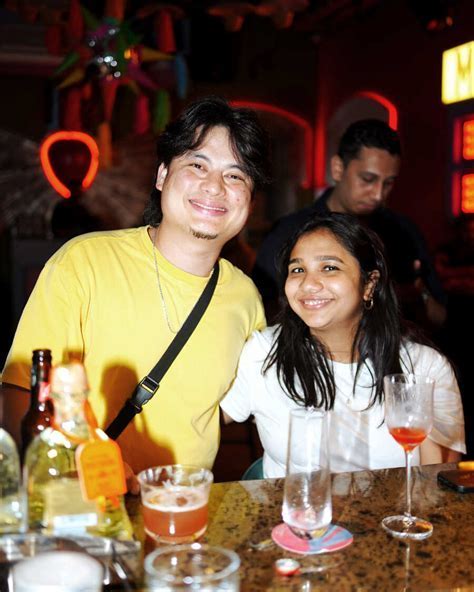
This culinary duo ensures that whether one seeks a comforting dal bhat or a craft cocktail over jazz, they find it at Royal Tulip—delivered with precision, passion, and polish.
India’s Strategic Leap: Cementing Regional Hospitality Dominance
The launch of Royal Tulip Kathmandu is not a stand-alone event; it is part of a wider strategic initiative led by Indian and global stakeholders to cement South Asia’s luxury hospitality presence. With India’s hospitality giants like Sarovar Hotels taking the helm in management and operational strategy, and Louvre Hotels Group expanding aggressively in the region, this development marks a significant geopolitical and economic milestone.
India’s expertise in hospitality—long honed through its own five-star ecosystems—is now being exported with precision and success into neighboring markets. In a post-pandemic landscape, destinations like Nepal are emerging as low-risk, high-potential territories for upscale tourism and business travel. Royal Tulip is a first-mover in this space, but it certainly won’t be the last.
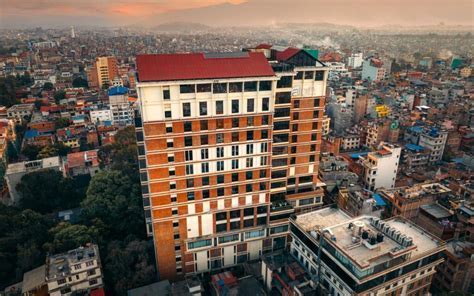
The collaborative development model, backed by regional investment and international branding, positions Royal Tulip Kathmandu as a template for future cross-border luxury projects. It demonstrates that with the right vision and partners, South Asia can build world-class properties that rival Europe, Southeast Asia, or the Middle East.
A Bold Vision for Nepal’s Tourism Future
Nepal has traditionally relied on its natural wonders—Mount Everest, Lumbini, and the Annapurna Circuit—to drive tourism. But with Royal Tulip’s launch, a new frontier is being charted: that of urban luxury and event tourism. For a nation eager to expand its GDP and reduce reliance on seasonal trekking revenue, this shift is both timely and transformative.
Kathmandu, with its evolving skyline, improving infrastructure, and youthful population, is ripe for a hospitality renaissance. The Royal Tulip acts as both catalyst and compass, guiding how Nepal might reinvent itself as a hub for business, events, and leisure in tandem.
Government tourism policies, foreign direct investment incentives, and increasing flight connectivity all point to a deliberate national agenda that supports such high-end developments. In this broader vision, Royal Tulip isn’t just a hotel—it’s a national asset, one that elevates Nepal’s standing on the global hospitality stage.
Conclusion: A Milestone That Redefines More Than Hospitality
The opening of Royal Tulip Kathmandu is not simply the debut of another luxury hotel. It is a defining moment for South Asia’s hospitality narrative, one where India’s leadership, Nepal’s potential, and global brands converge to create something truly exceptional. From its meticulously planned MICE facilities to its refined guest experience, this property has rewritten what is possible in Kathmandu’s hospitality sector.
As the largest hotel in the nation, equipped to host everything from boardroom meetings to international conventions, Royal Tulip is now Nepal’s crown jewel in business tourism. But more than that, it is a symbol of what the region can achieve when vision meets execution.
For travelers, business leaders, and event organizers alike, the message is clear: South Asia’s luxury moment has arrived—and it starts in Kathmandu.