Marriott International has set a powerful tone for its luxury segment growth in South Asia with the launch of The Soaltee Kathmandu under its Autograph Collection Hotels brand. This milestone not only signifies Marriott’s debut of the Autograph Collection in South Asia, but also reinforces the company’s dedication to expanding in culturally rich and tourism-driven destinations across the region.
The Soaltee Kathmandu: A New Chapter for Nepal’s Luxury Hospitality Sector
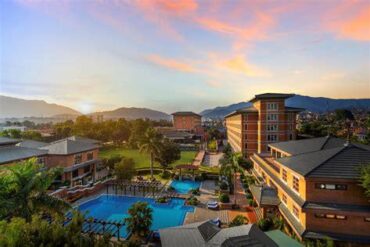
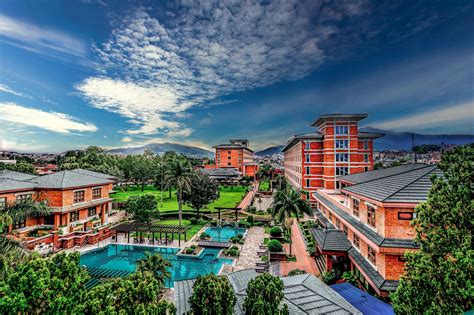
Located in the historic heart of Kathmandu, The Soaltee Kathmandu stands as an iconic heritage hotel that has now been revitalized under the Autograph Collection Hotels banner. This debut property boasts 285 elegantly appointed rooms, including a suite selection designed for both leisure travelers and dignitaries. Nestled amid lush gardens and offering panoramic views of the Himalayas and the revered Swoyambhunath Stupa, the hotel presents a synthesis of Nepalese spirituality and architectural grandeur.
What sets The Soaltee Kathmandu apart is its deep-rooted cultural storytelling. The hotel’s interiors celebrate Nepal’s artistic traditions with design elements such as Thangka murals, carved wooden jaalis, and traditional motifs. The lobby centerpiece, the “Storyteller” installation, captures personal narratives and the hotel’s own legacy, transforming the space into a living museum of hospitality and history.
This addition marks Marriott Bonvoy’s continued push into culturally immersive experiences, aligning the Autograph Collection’s philosophy of individuality with Nepal’s mystique and hospitality legacy. It also positions Kathmandu as a more prominent player on the regional luxury tourism map.
Marriott’s South Asia Strategy: Luxury, Locality, and Long-Term Growth
The South Asian market is rapidly evolving, driven by a surge in regional travel, growing middle-class affluence, and a global appetite for authentic cultural experiences. Recognizing this momentum, Marriott International’s strategy across India, Sri Lanka, Bangladesh, and Bhutan is characterized by measured, sustainable expansion backed by local partnerships.
India: A Deepening Footprint in Tier-I and Tier-II Cities
India remains Marriott’s largest market in South Asia, with over 100 operational hotels across major cities and emerging hubs. The company is expanding its reach with new Autograph Collection, JW Marriott, and Courtyard by Marriott properties in cities such as Delhi, Mumbai, Bangalore, Chennai, and Lucknow. The focus is dual: capturing business travel demand in metro cities and catering to domestic tourism and event-based travel in second-tier cities.
Upcoming developments include luxury resorts in Goa, Udaipur, and Rishikesh, destinations where guests seek wellness retreats, spiritual journeys, and high-end leisure travel. The blending of premium hospitality with heritage tourism continues to define Marriott’s India roadmap.
Sri Lanka: Reviving Luxury Amid Heritage and Coastlines
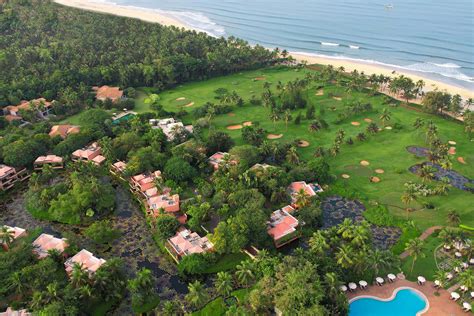
Sri Lanka’s rise as a high-end travel destination is being matched by Marriott’s ongoing investment in both coastal resorts and urban escapes. The group is working on multiple new launches in Colombo and Kandy, tapping into the island’s appeal as a cross-section of Buddhist heritage, colonial charm, and eco-tourism.
Renovation projects of existing properties under the Sheraton and Marriott banners aim to elevate guest experiences to global luxury standards. Sri Lanka’s status as a long-haul destination for European and Middle Eastern travelers further enhances the business case for Marriott’s resort-led expansion.
Bangladesh: Urban Luxury in Dhaka and Beyond
As Bangladesh’s capital, Dhaka, emerges as a business and diplomatic hub, Marriott is accelerating its urban luxury strategy. New properties under the Ritz-Carlton and Sheraton brands are currently under development in prime commercial zones, tailored to the growing influx of international business travelers, NGOs, and expatriates.
The group is also in discussions with local developers to establish Marriott Hotels and Courtyard properties in Chittagong and Sylhet, recognizing the country’s increasing domestic tourism and regional connectivity improvements. These hotels will balance modern amenities with Bangladeshi cultural aesthetics, ensuring global standards without losing local identity.
Bhutan: Aligning With the Kingdom’s Sustainable Tourism Vision
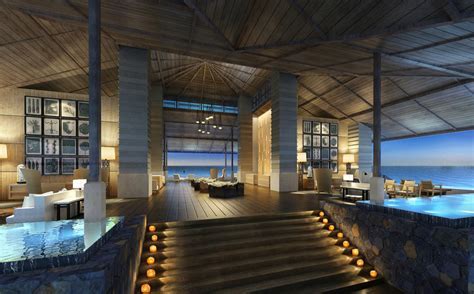
Marriott’s venture into Bhutan reflects a more nuanced approach, given the country’s strict tourism caps and sustainability-centric policies. The company plans to introduce eco-conscious luxury properties that echo Bhutan’s philosophy of “Gross National Happiness.”
The Ritz-Carlton and Marriott Hotel properties proposed for Thimphu and Paro will feature local materials, Bhutanese craftsmanship, and low-footprint operations. Marriott is working closely with the Tourism Council of Bhutan and community stakeholders to ensure that new developments integrate seamlessly with the environment and local livelihoods.
These properties will cater to wellness travelers, cultural seekers, and high-spending nature tourists, offering curated experiences such as monastery visits, artisan workshops, and guided treks.
Luxury Meets Legacy: Marriott’s Cultural Immersion Focus
A unifying theme across Marriott’s South Asia expansion is its commitment to cultural authenticity. From architectural motifs to food curation and guest experiences, the group is intent on embedding local identity into global luxury.
- In Kathmandu, guests at The Soaltee can attend storytelling sessions around the “Storyteller” art piece.
- In Colombo, Marriott chefs are collaborating with local culinary historians to develop heritage menus.
- In Dhaka, interior designers are sourcing textiles from indigenous craftspeople for a genuine touch.
- In Bhutan, the proposed hotels include meditation rooms inspired by ancient dzong architecture.
These efforts reflect a wider hospitality trend: luxury is no longer just about opulence—it’s about meaningful experiences rooted in place and people.
Sustainability and Design Innovation at the Core
Marriott’s new South Asia properties aren’t just about aesthetics—they are designed with a purpose. The group has embedded green building standards, energy-efficient systems, and waste reduction programs across projects.
In Nepal, The Soaltee Kathmandu uses solar-powered water heating systems, recycled greywater in its landscape irrigation, and locally sourced building materials. In Sri Lanka and Bangladesh, hotels are piloting plastic-free guest room programs and implementing digital key cards to reduce waste.
These environmentally responsible measures reflect Marriott’s global pledge to achieve net-zero emissions by 2050, ensuring that luxury comes with a conscience.

Looking Ahead: Marriott’s South Asia Pipeline and Market Positioning
Marriott International is strategically positioning itself to become the dominant player in South Asia’s luxury and lifestyle hotel segments. The upcoming pipeline includes over 30 new projects across the five focus countries, targeting both major cities and heritage destinations.
The expansion of Autograph Collection Hotels, in particular, signals Marriott’s intention to capture the growing class of affluent, experience-driven travelers. The Soaltee Kathmandu’s successful debut sets a new benchmark, blending narrative-driven design, five-star service, and cultural immersion.
Marriott’s calculated growth in South Asia also aligns with wider regional developments—such as improved aviation links, rising disposable incomes, and increased foreign investments in tourism infrastructure. As geopolitical and economic conditions stabilize, South Asia is fast becoming a luxury tourism powerhouse, and Marriott intends to lead that charge.
Conclusion: Marriott’s Cultural Renaissance in South Asia
With The Soaltee Kathmandu’s transformation into an Autograph Collection jewel, Marriott International has laid the cornerstone for a new era of hospitality in South Asia. Its focus on authenticity, sustainability, and strategic localization not only broadens the group’s brand equity but also enhances the region’s global hospitality appeal.
As it expands deeper into India, Sri Lanka, Bangladesh, and Bhutan, Marriott isn’t merely adding rooms—it’s curating stories, respecting heritage, and setting new standards for what modern luxury should look like in one of the world’s most historically and culturally vibrant regions.