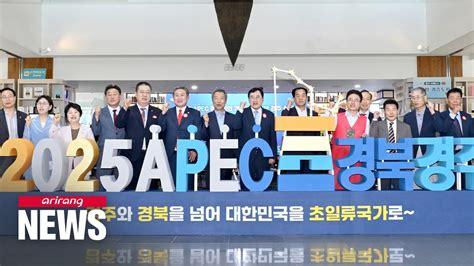
South Korea is intensifying its efforts to position itself as a global MICE tourism powerhouse ahead of hosting the 2025 Asia-Pacific Economic Cooperation (APEC) Summit in Gyeongju. The Korea Tourism Organization (KTO) has launched a strategic and culturally infused campaign designed to elevate the country’s appeal to business travelers, event organizers, and corporate groups worldwide.
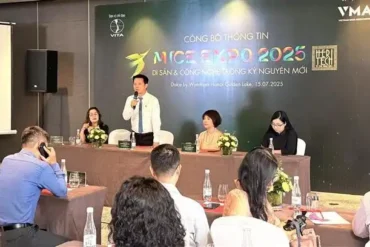
The latest spotlight was the Korea MICE Roadshow Philippines 2025, which made high-profile stops in Manila and Cebu, bringing together over 400 stakeholders from the tourism and business travel sectors of both nations. These events served not only as promotional platforms for Korea’s burgeoning MICE industry but also as diplomatic and commercial bridges reinforcing the Korea-Philippines tourism corridor.
Gyeongju: South Korea’s Cultural Jewel Prepares for the Global Stage
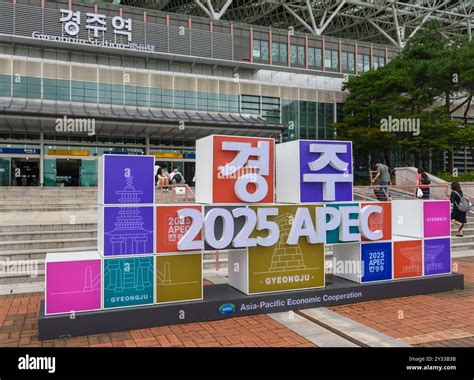
At the core of South Korea’s MICE campaign lies Gyeongju, a city steeped in history and elegance, now poised to host one of the most important global summits in 2025. Known as the ancient capital of the Silla Kingdom and often referred to as a “museum without walls,” Gyeongju is leveraging its cultural depth as a strategic asset in attracting international conferences and exhibitions.
The selection of Gyeongju as the APEC 2025 venue not only elevates its profile but also spotlights Gyeongsangbuk-do Province as a destination that can seamlessly merge business and heritage. The KTO aims to transform this city into a showcase for modern infrastructure, hospitality, and immersive cultural experiences—all essential components in a competitive MICE destination.
KTO’s MICE Roadshow: Culture Meets Commerce in the Philippines
The dual events in the Philippines—at Fairmont Makati in Manila and Radisson Blu in Cebu—underscored South Korea’s commitment to deepening ties with the Filipino travel industry. With 250 attendees in Manila and 150 in Cebu, the KTO executed a vibrant combination of Travel Marts, networking events, and Korean MICE Nights, presenting delegates with a multi-sensory immersion into Korean business and culture.
Central to the roadshow’s agenda was the introduction of the Gyeongbuk Plus Special Assistance Program, offering generous financial incentives of up to KRW 140,000 (approximately PHP 5,800) per approved traveler. This program targets corporate meetings and incentive groups, enabling travel organizers to offer value-packed, culturally rich itineraries that go beyond traditional business trips.
The Strategic Role of K-Culture in MICE Branding
One of the distinguishing features of South Korea’s MICE appeal is its seamless integration of K-Culture into business tourism. This strategy transforms conventional events into vibrant experiences powered by K-pop concerts, Korean culinary showcases, beauty workshops, and Hanbok dress-ups. Such cultural elements not only elevate the attendee experience but also align with the evolving preferences of global business travelers seeking enriching, hybrid travel that combines work and leisure.
According to Chang Wook Jung, Executive Director of the Korea MICE Bureau, “We integrate K-pop, cuisine, fashion, and cultural workshops into business events to offer unforgettable experiences. MICE travelers today want more than just meetings—they want inspiration and cultural connection.”
By positioning culture as capital, Korea is redefining business tourism as a platform for soft diplomacy, economic engagement, and storytelling. This resonates deeply with younger corporate audiences and incentive groups increasingly driven by experiential travel goals.
Strengthening Korea-Philippines MICE Synergy
The Philippines has emerged as a key feeder market in Korea’s MICE expansion, thanks to robust bilateral tourism flows and shared regional goals. In 2024, over 1.7 million Korean visitors arrived in the Philippines, making Korea the top source of international arrivals, according to the Philippine Bureau of Immigration. The KTO intends to mirror that enthusiasm by drawing more Filipino MICE groups to Korea.
The recent memorandum of understanding between the KTO and the Philippine Travel Agencies Association (PTAA) marks a pivotal moment in institutionalizing cooperation. As PTAA Vice President Dominic Castillejos noted, “This partnership is a celebration of shared vision, mutual respect, and a strong commitment to cultural exchange and business development.”
The alliance envisions collaborative promotional campaigns, shared itineraries, and joint hosting of regional trade events. Both parties recognize that sustained engagement and destination education will be key to converting curiosity into footfall.
Infrastructure, Incentives, and Innovation
South Korea’s competitive edge in MICE also lies in its state-of-the-art infrastructure. The country boasts a high-speed transportation network, modern convention centers such as COEX in Seoul, and smart hotels that cater specifically to business needs. Venues are increasingly adopting hybrid technologies, allowing for virtual participation, real-time translation, and AI-powered event management.
Incentive schemes like the Gyeongbuk Plus program are further bolstered by tiered support packages, including:
- Complimentary site inspections
- Customized welcome ceremonies
- Venue cost subsidies
- Local transportation arrangements
These offerings ensure that South Korea doesn’t just appeal to large international events but is also competitive in attracting mid-sized incentive groups and corporate meetings, particularly from ASEAN markets.
Gyeongju’s Transformation: From Historical Capital to Global MICE Destination
With less than a year to go before the APEC Summit, Gyeongju is undergoing a strategic transformation. Beyond aesthetic enhancements to public spaces and monuments, the city is investing in improved connectivity, multilingual services, and green conference facilities that align with the sustainability goals of global event organizers.
Several flagship hotels and resorts have expanded their MICE services, offering dedicated event coordinators, executive lounges, and heritage-themed venues. These efforts aim to present Gyeongju as not just a conference venue, but a destination where policy meets philosophy, in a setting that pays homage to Korea’s civilizational roots.
Future Outlook: Economic Diplomacy Through Tourism
As the 2025 APEC Summit draws near, South Korea is making it clear that its ambitions go beyond short-term tourism spikes. The long-term objective is to cement Korea’s reputation as Asia’s premier MICE destination, fostering economic diplomacy through tourism.
The broader impact of these efforts is likely to ripple across industries, from hospitality and transport to digital event tech and cultural exports. Moreover, the cross-sectoral partnerships being forged today—like the KTO-PTAA alliance—are sowing the seeds for deeper engagement across education, innovation, and creative industries.
In a world where business tourism is increasingly experience-driven, South Korea is setting a new benchmark. Through a compelling mix of culture, strategy, and infrastructure, it is not just preparing for a summit—it is staging a renaissance in global MICE tourism.