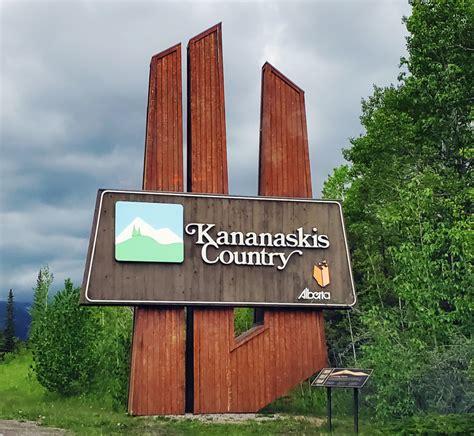
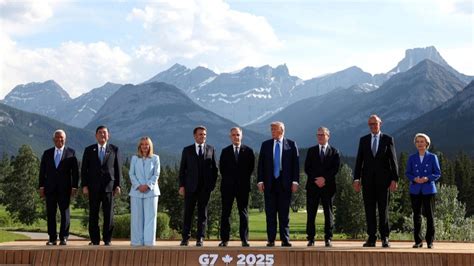
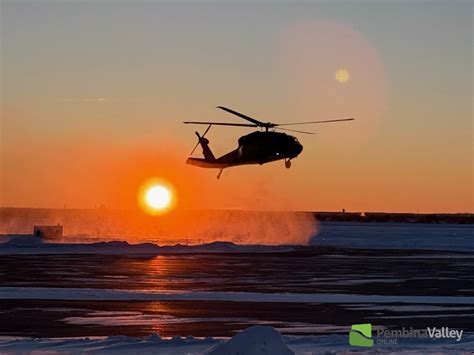
The quiet alpine serenity of Kananaskis Country is giving way to the rhythmic thunder of rotor blades as the Royal Canadian Air Force (RCAF) commences low-level nighttime helicopter operations in preparation for the 2025 G7 Leaders’ Summit. With world leaders including U.S. President Donald Trump and Ukrainian President Volodymyr Zelenskyy set to convene at Kananaskis Village from June 15 to 17, military activity has intensified as part of a robust security strategy spanning air and ground.
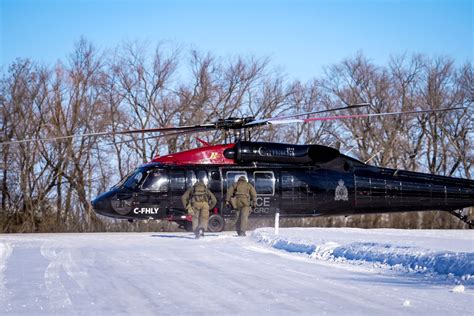
Night flying exercises began on June 5 and are scheduled to continue until June 18, occurring between 10 p.m. and 6 a.m. each night. The operations, conducted primarily around Nakiska Ski Hill, fall within a 35-nautical mile (65-kilometre) radius encompassing much of Bow Valley. Residents and visitors are being urged to prepare for visible and audible disruptions as helicopters skim the treetops at altitudes of 2,000 feet or less.
Strategic Aerial Exercises as G7 Security Backbone
The RCAF flights are more than routine maneuvers—they are a strategic simulation of high-readiness response protocols intended to bolster the security perimeter around the summit venues. According to Fraser Logan, the media lead for the RCMP-led Integrated Safety and Security Group (ISSG), these exercises form a critical layer of defense.
“These exercises ensure our personnel are fully prepared to help deliver a safe and secure environment for all participants – before, during and after the event,” said Logan in a statement released June 4.
Flight crews will also be seen executing landing and tactical deployment procedures in designated remote zones, simulating contingencies such as emergency evacuations or rapid personnel insertion. These operations are designed to coordinate seamlessly with on-ground police efforts, ensuring rapid response capabilities in the face of any potential threat.
G7 Summit: Elevating National Security Readiness
Canada has hosted the G7 before, but the 2025 edition carries unique geopolitical weight, given heightened tensions in Eastern Europe and global economic instability. Hosting duties fall upon Kananaskis Village, a secluded mountain resort known for its breathtaking views and now, its capacity to transform into a heavily secured international meeting zone.
The summit’s isolation offers logistical advantages—it is easily sealed off from urban environments—but demands a complex, multi-agency security operation. The RCMP, Canadian Armed Forces, Transport Canada, and NAV CANADA are working in unison to enforce restricted airspace protocols, a critical step in neutralizing airborne threats.
Airspace Restrictions Over Calgary and Kananaskis
To further safeguard summit airspace, temporary flight restrictions will be in place from 6 a.m. on June 14 to 11:59 p.m. on June 17. During this window, only authorized military, emergency, and summit-related aircraft will be permitted to operate in the vicinity of Calgary International Airport and the Kananaskis corridor.
Unauthorized flights—including private aviation and recreational drone usage—will be strictly prohibited. The restricted airspace provides a buffer zone for military and security operations, allowing helicopters to monitor and intercept any suspicious activity swiftly.
Boots on the Ground: Increased Military and Police Presence
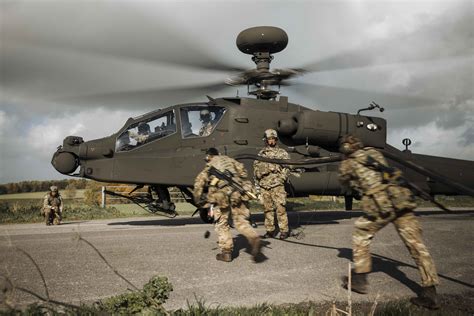
The aerial operations are being matched by a significant ground presence. RCMP vehicles, military transport trucks, and specialized personnel are increasingly visible across Bow Valley, Canmore, and the Trans-Canada Highway corridor leading into Kananaskis. According to Chief Superintendent David Hall, security director of the ISSG, this visibility is intentional.
“Rest assured, our presence is not intended to be disruptive – it is designed to be visible, accessible, and focused on ensuring everyone’s safety,” said Hall. His directive to the security team emphasizes community sensitivity, aiming to balance tactical effectiveness with minimal disruption to locals and businesses.
Balancing Security With Community Impact
While the sight of military helicopters slicing through alpine skies at midnight may seem jarring, officials insist that public inconvenience is being mitigated wherever possible. Landing zones have been selected for their remoteness, and flight paths are being adjusted to avoid direct overflights of populated zones. Still, residents should expect increased noise pollution, especially during clear nights when helicopter acoustics carry more prominently.
Local businesses, especially in the tourism and hospitality sectors, have received briefings and support documentation outlining what to expect during the summit period. Visitor management plans, temporary road closures, and enhanced surveillance will be part of a larger effort to secure the summit venue perimeter without paralyzing local operations.
Simulation and Training: A Vital National Exercise
For the Canadian Armed Forces, the summit offers more than just a security test—it serves as a live simulation for domestic readiness. Every unit involved, from search and rescue teams to special operations aviation regiments, will be logging live mission data, monitoring response times, and conducting real-time inter-agency communication drills.
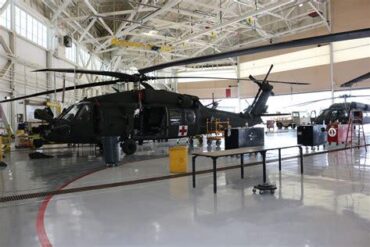
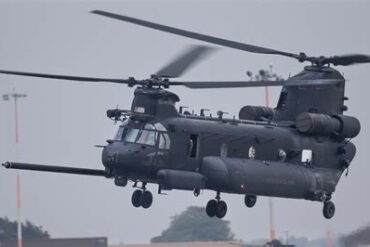
The event also acts as a proving ground for tactical air mobility, a critical capability in the event of a homeland emergency such as natural disasters or terrorist threats. Pilots flying night missions in Black Hawk, Griffon, and CH-147 Chinook helicopters will be executing complex maneuvers in mountainous terrain, testing both aircraft capabilities and crew endurance.
High Stakes for High-Profile Attendees
With a guest list that includes some of the most powerful political leaders on the planet, the G7 Summit’s security stakes are undeniably high. In addition to President Trump and President Zelenskyy, dignitaries from Japan, the United Kingdom, Germany, France, and Italy will converge in Kananaskis to tackle global economic policy, climate initiatives, and conflict mediation.
Any perceived weakness in the security apparatus could have international repercussions, not only for Canada’s global reputation but for the summit’s diplomatic objectives. The extensive aerial drills and presence of combat-ready personnel underscore the seriousness with which Canada is taking its host nation responsibilities.
Community Vigilance and Cooperation
Officials are calling on local residents to cooperate with law enforcement and to report any suspicious behavior. The ISSG has launched a community outreach program, including pop-up information booths and online advisories, to ensure public awareness remains high during the summit period.
Emergency contact lines are being reinforced, and public communication will be broadcast via local radio, social media, and SMS alerts in the event of an incident. Pet owners are also advised to take precautions, as the presence of low-flying aircraft can cause distress among animals, especially in rural and wilderness-adjacent properties.
Conclusion: A Necessary Disruption for Global Dialogue
While the G7 Summit may temporarily disrupt the tranquil rhythms of Kananaskis Country, it places Canada once again on the global diplomatic stage. Ensuring the safety of such a high-stakes gathering demands extraordinary preparation, of which nighttime helicopter operations are just one facet.
The thunderous passage of blades through mountain air is both a symbol of preparedness and a tangible reminder of the complexity involved in safeguarding global governance. For residents of Bow Valley, this moment is more than a temporary inconvenience—it’s a unique intersection of local life and international consequence.