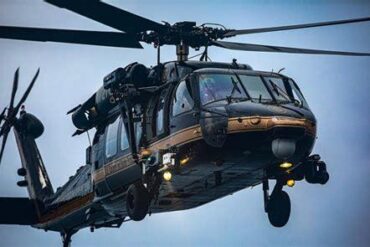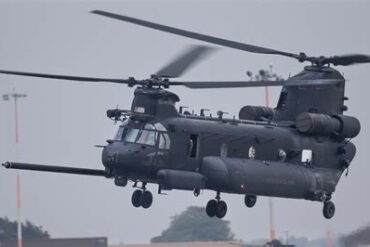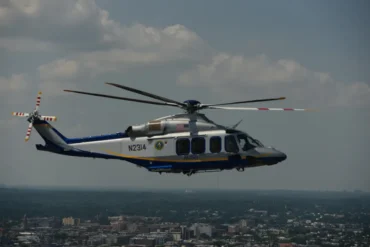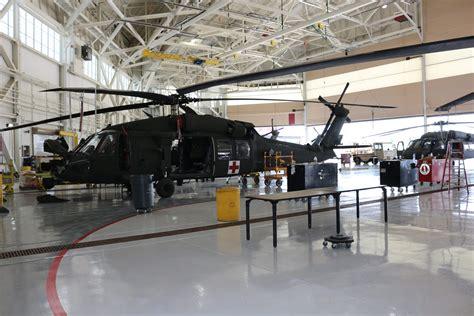
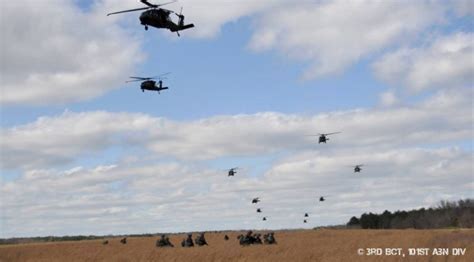
The recent appearance of two low-flying military helicopters over Nashville, especially near Vanderbilt University, caused a stir among residents. Online chatter on platforms like Reddit quickly filled with speculation, confusion, and curiosity. Posts reported “super loud” helicopters flying low and nothing showing up on FlightAware, a popular flight tracking site. While some assumed covert operations or an emergency, the real story paints a vivid picture of military tradition, FAA flight data limitations, and community excitement.
The Helicopters: UH-1 Huey and AH-1 Cobra — Legends Still in Service
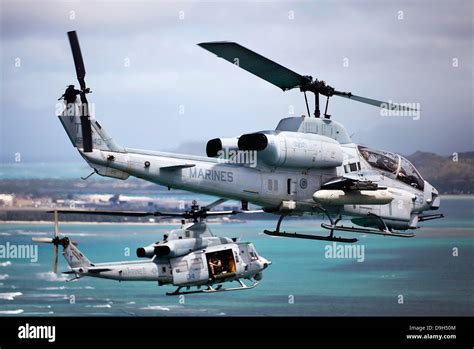
Eyewitnesses claimed one of the helicopters resembled a UH-1 Huey, and the other looked like an AH-1 Cobra. These are not your average aircraft. The Bell UH-1 Iroquois, commonly known as the “Huey”, first saw action during the Vietnam War and became one of the most iconic helicopters in military history. The Bell AH-1 Cobra, its sleeker, more aggressive cousin, was introduced to provide close air support and anti-tank capabilities.
Both platforms have undergone numerous upgrades. While it’s easy to assume these are “old” helicopters, the U.S. military—especially the U.S. Marine Corps—still relies on modernized versions, such as the UH-1Y Venom and the AH-1Z Viper. These upgraded variants are equipped with advanced avionics, modern sensors, and superior engines. Despite their familiar silhouettes, they are far from obsolete.
Why They’re Not on FlightAware: The ADS-B Loophole
A recurring question among observers was: Why are these aircraft not showing up on FlightAware or similar tracking services? The answer lies in FAA agreements and flight data policies. Military aircraft often disable their ADS-B (Automatic Dependent Surveillance–Broadcast) transmitters, or their data is removed from public feeds due to national security agreements.
Sites like FlightAware and FlightRadar24 rely heavily on FAA data and comply with federal policies to exclude military aircraft. However, websites such as adsbexchange.com, which aggregate crowdsourced data from private ADS-B receivers, may still show these aircraft—if the transponders are active.
In this case, some residents checked adsbexchange.com and found nothing. That’s not surprising, as military pilots can disable ADS-B entirely, especially when performing training maneuvers, ceremonial flights, or rehearsals for public events. These stealthier flights contribute to the mystery and buzz among civilians.
What Really Happened: Smyrna Air Show and Marine Week in Nashville
The timing of the flyovers wasn’t random. The Smyrna Air Show, an annual event that draws military and civilian aviation enthusiasts from across the Southeast, took place the same weekend. One of the major attractions was the U.S. Navy Blue Angels, known for their high-speed, precision flying. Flyovers and rehearsals in the days leading up to the show are standard practice, often spreading into nearby cities like Nashville.
Moreover, residents reported seeing young Marines walking near the VA hospital and other locations. This wasn’t a coincidence either. Nashville was also hosting Marine Week, a public outreach initiative where Marines engage with local communities, conduct demonstrations, and increase visibility. The flyovers likely formed part of this initiative, possibly including a ceremonial flyover at a recent race event, according to commenters.
Flying Over Vanderbilt: A Deliberate Path or Coincidence?
Multiple residents reported the helicopters flying “super low” over Vanderbilt University, triggering concerns about their purpose. But low-level flights are not unusual during air show practices or navigational exercises. Nashville’s airspace allows for such activity when coordinated with the FAA and local control towers. The proximity to large, open spaces like stadiums or university campuses can make them ideal reference points for flight paths.
It’s also worth noting that sound perception increases dramatically at lower altitudes. The Huey, with its distinctive whop-whop rotor sound, is especially notorious for rattling windows and triggering car alarms. So while it may have felt like the helicopters were flying unusually low, the altitude was likely within controlled and legal parameters.
Why These Helicopters Still Matter
The persistence of the Huey and Cobra in today’s military arsenal is not just about tradition. It’s about mission flexibility, reliability, and modular capability. The UH-1Y Venom can be configured for troop transport, medevac, or combat support, while the AH-1Z Viper offers firepower with Hellfire missiles, 20mm cannons, and advanced targeting systems.
In a way, their appearance over Nashville is a live demonstration of how legacy designs evolve into modern tools of defense, maintaining a connection between the past and future of aviation. Their public exposure during air shows or Marine Week helps bridge the gap between civilian understanding and military operations.

How the Community Reacted Online
The Reddit thread that began with the question “Anyone know the deal with the two (old?) military helicopters flying around?” quickly evolved into a fascinating blend of public inquiry, military trivia, and local updates. One user mentioned the lack of data on FlightAware, prompting others to explain FAA policies and recommend more transparent platforms like ADSBExchange.
Others shared their own sightings, recalling how the aircraft flew over libraries, the VA hospital, and residential areas, creating a city-wide buzz. The presence of young Marines walking around the city added to the authenticity of explanations tied to Marine Week.
This communal sleuthing reflects a larger trend: civilian interest in aviation and defense matters has never been higher, and social media platforms act as both rumor mills and rapid-response news wires. The overlap of curiosity and accurate technical knowledge creates a vibrant, self-correcting system of local reporting.
A Look at the Future: Public Military Engagement
What happened in Nashville is a clear example of how the military engages the public in non-combat contexts. By flying legacy aircraft over populous areas during an air show week and pairing it with street-level interactions via Marine Week, the U.S. military boosts its visibility and reinforces public trust.
The absence of real-time tracking isn’t just about secrecy—it’s about operational discretion. And while it fuels speculation online, it also protects missions and personnel. However, transparency through events like air shows and outreach programs ensures that the military remains an accessible part of the community fabric, not a distant entity operating behind closed doors.
Conclusion: Not Just a Flyover—A Layered Message
The sudden, unannounced flights of the Huey and Cobra helicopters over Nashville weren’t arbitrary, nor were they part of a secret mission. They were symbols—of heritage, of engagement, and of preparedness. Their temporary disappearance from flight trackers only added to the mystique, but their presence served a deeper purpose: reminding the public of the ongoing relationship between civilians and the military, especially in moments of pride, tradition, and community celebration.
So the next time you hear the unmistakable sound of rotary blades cutting through the sky, remember that it’s more than just noise—it’s history in motion.