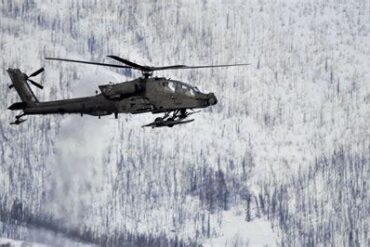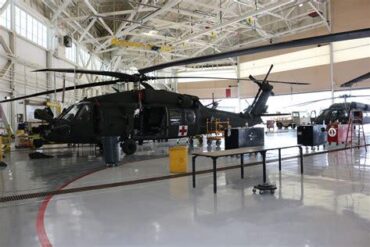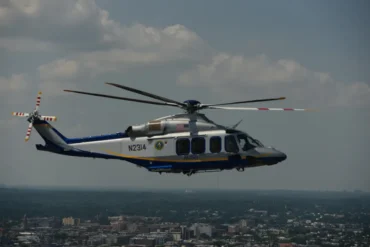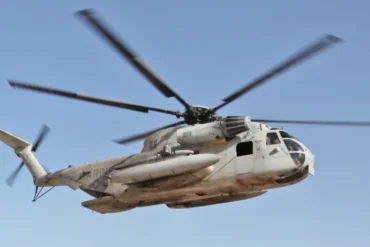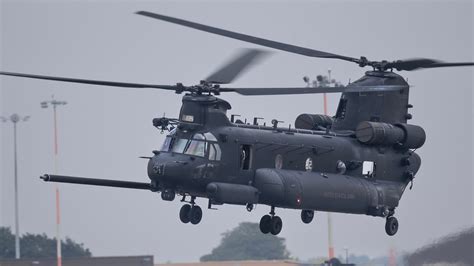
On the evenings of July 15 and 16, 2025, the skies over southeast Bellevue and Issaquah roared with the thunder of military-grade rotors. Residents looked upward in surprise and some in concern as three MH-47G Chinook helicopters from Joint Base Lewis-McChord (JBLM) flew low, sometimes close enough to rattle tree canopies and drown out conversations below.
The aerial display wasn’t a response to a security threat or emergency. Rather, it was part of a scheduled training operation by U.S. Army Special Operations Forces — critical missions designed to maintain operational readiness.
Behind the Rotors: The Purpose of the Low-Flying Maneuvers
According to Gary Dangerfield, external communications chief at JBLM, these flights were part of routine, mission-specific training conducted by elite special operations units. While the sight and sound of large military helicopters can feel alarming, Dangerfield emphasized that every precaution was taken:
“These activities are not in response to any current event, and every effort is made to limit disruptions to the community,” he stated.
The Federal Aviation Administration (FAA) provides guidelines that military pilots must follow, but certain types of training—particularly those involving terrain masking, low-visibility navigation, and insertion/extraction drills—require flying at lower altitudes than usual. This is especially vital for special operations teams who often operate in hostile, unpredictable environments.
Night flying, in particular, is a core component of this regimen. Military pilots must be proficient in navigating using night vision systems and operating silently and efficiently in darkness. As such, the helicopters were observed making multiple passes through the Lakemont and Eastside areas until shortly after midnight on July 17, as part of a nighttime tactical insertion simulation.
Radar Tracks and Community Reactions
Residents began reporting the aircraft as early as 7:30 p.m., with some noting the distinctive “V” formation of the helicopters—standard for Chinook units flying in coordinated patterns. The helicopters were tracked on FlightRadar24, flying north over Bellevue, then veering south and east toward the southern end of Lake Sammamish, maintaining altitudes of roughly 1,200 feet.
These relatively low altitudes are essential for evasion training and simulating approaches into contested or radar-dense territories. Yet their proximity to populated neighborhoods had unintended effects:
“It felt like a freight train passed overhead,” said one resident. “We were hosting friends, and conversation just stopped as the rotor noise overwhelmed everything.”
Technical Specs: What Makes the MH-47G a Special Forces Workhorse
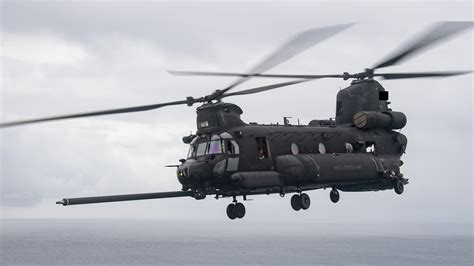
The helicopters in question were MH-47G Chinooks, a specialized variant of Boeing’s iconic tandem-rotor heavy-lift aircraft. Unlike standard Chinooks, the MH-47G is equipped for covert missions, often deployed by U.S. Army Rangers, Delta Force, and SEAL teams.
With a maximum gross weight of 54,000 pounds, and a rotor diameter of 60 feet, the MH-47G is hardly subtle. But that’s where its advanced avionics and weather-penetrating radar come in:
- Terrain Following/Terrain Avoidance Radar (TF/TA): Enables pilots to fly mere feet above ground in complete darkness.
- Aerial Refueling Capability: Allows for extended-range missions without landing.
- Self-defense Countermeasures: Includes infrared countermeasure systems to evade heat-seeking missiles.
- Extended Fuel Tanks: Gives it a longer combat radius than standard Chinooks.
These aircraft are often deployed on missions requiring rapid troop transport, infiltration of hostile zones, or extraction of assets under fire. Their ability to operate in complex conditions—urban, mountainous, or forested—is unparalleled.
Joint Base Lewis-McChord: A Hub of Military Aviation Activity
Located roughly 50 miles southwest of Bellevue, Joint Base Lewis-McChord (JBLM) is one of the most important military installations on the U.S. West Coast. It supports a large and diverse aviation fleet, with over 130 aircraft and more than 400 pilots undergoing continual training rotations throughout the year.
These pilots are required to log a set number of flight hours—often under varied and increasingly challenging scenarios—to maintain combat readiness. This includes flying in:
- Urban settings with strict airspace constraints
- Mountainous terrain with unpredictable air currents
- Nighttime missions replicating overseas combat zones
Though training in populated regions like Bellevue is rare, it offers the kind of airspace realism unavailable in sparsely populated areas. Still, the military maintains strict coordination with local law enforcement and civic leaders to ensure transparency and mitigate public concern.
“Local authorities were fully informed of the operations,” Dangerfield confirmed. “Every flight was conducted within approved safety parameters.”
The Realities and Necessity of Nighttime Operations
Flying after dark introduces complexities such as reduced visual references, increased pilot fatigue, and more demanding navigation. But in the real-world theater of war or crisis response, these are the exact conditions under which military operations often occur.
That’s why night flights like the ones over Bellevue are so critical. The U.S. military invests heavily in training its aircrews to handle low-light insertions, extractions, reconnaissance, and resupply missions. To prepare for such scenarios, training must sometimes occur in environments that mimic the complexity of civilian infrastructure and urban sprawl.
For observers on the ground, this training may feel intrusive. For soldiers in the air, it’s part of a life-saving skillset.
Public Feedback and Military Communication Channels
Despite the reassurance offered by JBLM, many Bellevue residents took to social media and community forums to express concern and confusion over the unannounced aerial activity. The military encourages the public to share such concerns via designated email and phone hotlines.
Public awareness is an important part of the process. Training may be secretive in nature, but outreach to civilian communities aims to maintain trust and ensure that disruptions are understood in their proper context.
While no further low-flying activity has been confirmed in the immediate future, Dangerfield emphasized that similar missions may recur as part of ongoing readiness programs.
The Bigger Picture: Urban Military Training in a Changing World
With increasing instability in various global regions and a rising demand for urban warfare readiness, military forces across the globe are recalibrating their training standards. Operations in cities—whether for peacekeeping, extraction, or counterterrorism—demand precision maneuvering, low-altitude flight skills, and complex coordination in environments densely packed with buildings, civilians, and infrastructure.
Training over cities like Bellevue is more than a logistical challenge—it’s a strategic necessity. As modern warfare increasingly intersects with civilian spaces, the need to train in controlled, populated environments becomes more pressing.
Yet balance remains key. Military authorities must continue refining their approach to minimize disruption, foster community dialogue, and maintain public confidence.
“The sound may fade quickly, but the skills sharpened during those flights could save lives tomorrow,” said one retired Army pilot familiar with such training ops.