Residents of Bangor, Maine, and surrounding communities should prepare for an unusual sight and soundscape next week as military helicopters, tiltrotor aircraft, drones, and naval movements intensify across the state. From July 6 to July 13, 2025, the U.S. Marine Corps will conduct large-scale training exercises, part of the broader “Atlantic Alliance” operation, bringing cutting-edge military hardware and multinational forces to Maine’s skies, coasts, and inland regions.
The exercises will focus on Bangor, Rangeley, Pickerel Pond, and Cutler, with visible aerial activity expected in both urban and remote areas. This is not a routine occurrence for Maine residents, making the upcoming week a noteworthy event in the state’s summer calendar.
Helicopters, Ospreys, and Cutting-Edge Military Assets to Fill the Skies
Among the most striking aircraft expected are the H-60M Black Hawk helicopters, renowned for their versatility in transport and tactical missions, and the formidable Sikorsky CH-53 Sea Stallions, among the largest and most powerful helicopters in the U.S. military arsenal. These heavy-lift helicopters are capable of transporting troops, vehicles, and equipment in challenging terrains, a critical asset in both combat and humanitarian missions.
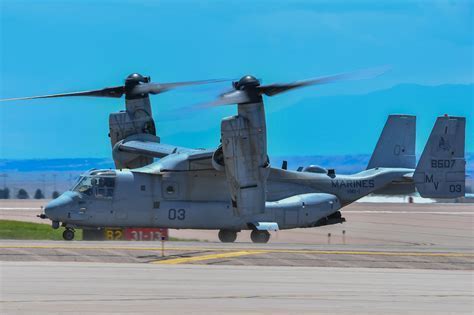
Adding to the aerial presence will be the MV-22 Osprey, a dual-propeller, tiltrotor aircraft that combines the vertical lift capabilities of helicopters with the speed and range of fixed-wing planes. Developed by Boeing, the Osprey has become a hallmark of modern amphibious and rapid-response operations, capable of executing long-range insertions and extractions with unprecedented flexibility.
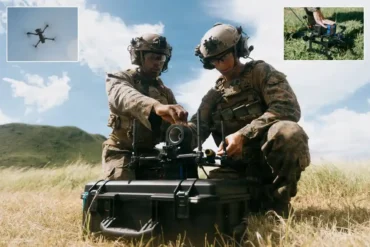
In addition to these prominent aircraft, the public may observe small drone operations designed for reconnaissance and observation. These unmanned systems allow military units to gather real-time intelligence over diverse terrains, providing crucial situational awareness during complex training scenarios.
Naval Movements and Coastal Maneuvers in Maine Waters
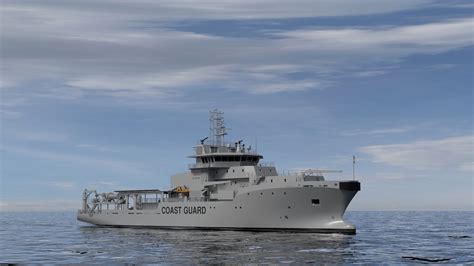
While much of the public’s attention will naturally gravitate skyward, there will also be significant naval activity off the coast of Maine, particularly near Cutler, a town known for its strategic coastal location. Naval ships involved in the exercise will conduct a variety of drills, emphasizing coastal defense, maritime logistics, and amphibious coordination.
Such exercises underscore Maine’s geographic importance for defense planning, with its rugged coastline, proximity to the North Atlantic, and access to varied training environments.
The Atlantic Alliance: Strengthening Interoperability Among Allied Forces
The Atlantic Alliance exercise, led by the 2nd Marine Division based at Camp Lejeune, North Carolina, is part of a broader series of coordinated training events spanning the U.S. East Coast throughout July. These operations are designed to refine joint response capabilities and foster seamless interoperability among allied nations.
International military units from Canada, the United Kingdom, and the Netherlands are also participating, enhancing cooperation and demonstrating a unified defense posture. These exercises allow for the integration of diverse military technologies, command structures, and tactical doctrines, ensuring that participating nations can operate effectively as a cohesive force in times of crisis.
According to the Maine National Guard, such joint training events with NATO partners are routine and meticulously planned months or even years in advance. The goal is to prepare for real-world contingencies by simulating complex, multi-domain scenarios involving air, land, and sea components.
Maine’s Role in National and International Defense Readiness
For many in Maine, this upcoming training marks a rare, tangible glimpse into the often-abstract world of national defense. While military bases and exercises are more commonly associated with regions closer to the nation’s southern borders or major naval hubs, Maine’s participation highlights its strategic relevance.
The state’s varied landscape—including inland waterways, dense forests, and extensive coastline—offers ideal conditions for realistic military simulations. For the Maine National Guard, which is providing logistical support during the exercises, this operation presents a crucial opportunity to integrate with larger, more complex military formations and refine coordination protocols.
What Residents Can Expect: Sights, Sounds, and Community Impact
Locals across Bangor, Rangeley, Pickerel Pond, and Cutler should anticipate increased aerial noise and activity during daylight hours. Residents may see formations of helicopters and Ospreys flying low over urban and rural areas, particularly during troop transport drills and rapid deployment simulations.
Military convoys and personnel movements may also occur near key staging areas, though authorities have emphasized that these exercises are designed to minimize disruption to civilian life. The Maine National Guard has coordinated with local governments and emergency services to ensure public safety and awareness.
Observers are encouraged to exercise caution near training zones and refrain from interfering with operations. For aviation enthusiasts and military observers, this period offers a unique opportunity to witness cutting-edge aircraft and multinational collaboration in action.
International Cooperation and Strategic Messaging
Beyond the technical and tactical aspects, the Atlantic Alliance exercise serves a broader geopolitical purpose. By demonstrating visible cooperation among NATO members, the exercise reinforces collective defense commitments and sends a strategic message of unity to both allies and potential adversaries.
In the current global security climate, with tensions simmering in various regions, maintaining readiness and showcasing alliance capabilities are considered essential. The presence of British, Canadian, and Dutch forces on U.S. soil illustrates a shared commitment to defense collaboration and joint preparedness.
Conclusion: A Rare Military Spectacle for Maine
As military helicopters, Ospreys, drones, and naval vessels converge on Maine next week, residents are witnessing more than just a spectacle—they are observing a key component of national and international defense strategy unfolding over their towns and coastlines.
The U.S. Marine Corps, supported by the Maine National Guard and allied forces, will utilize Maine’s diverse environments to conduct rigorous training that enhances readiness, interoperability, and rapid response capabilities. While the increased aerial and maritime activity may temporarily alter the local soundscape, it reflects the state’s role in safeguarding national security and maintaining global defense partnerships.
For those looking skyward between July 6 and July 13, the unmistakable silhouettes of Black Hawks, Sea Stallions, and Ospreys will be a reminder of both Maine’s strategic importance and the broader efforts to ensure collective defense readiness in an unpredictable world.