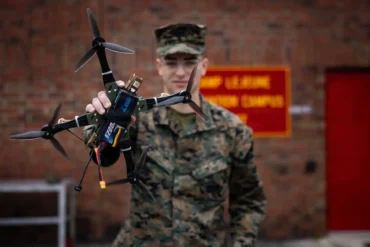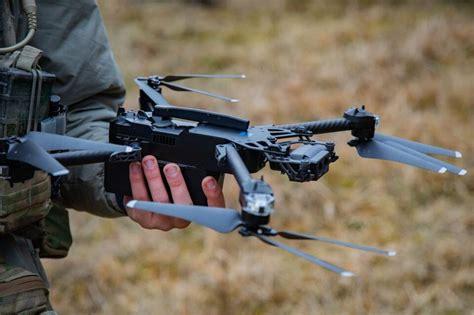
The U.S. Marine Corps is undertaking a bold experiment to fundamentally reshape the battlefield by testing whether American industry can deliver 10,000 low-cost first-person-view (FPV) drones within a year, each capped at a unit cost of $4,000. The initiative, launched through a Sources Sought notice on SAM.gov, marks a major inflection point in how the Corps views drones—not as limited intelligence assets, but as disposable tools of direct combat power.
Expendable Firepower: Drones as Tactical Assets
Unlike traditional ISR-focused UAV acquisitions, this new Marine Corps effort explicitly positions drones as scalable, expendable firepower for small units operating in contested environments. These FPV drones are being optimized for rapid reconnaissance, precision strike, and decoy operations, with a pricing structure that assumes losses will be high and constant. The $4,000 ceiling is not merely a cost target—it’s the core evaluation metric in vendor selection.
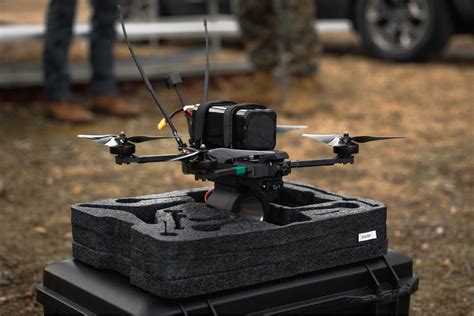
Rather than invest in limited quantities of advanced, fragile aircraft, the Corps is aiming to build a high-volume, modular drone fleet that frontline Marines can operate, modify, and repair themselves. In combat zones shaped by electronic warfare, GPS denial, and tactical jamming, this marks a shift toward field-adaptable resilience.
Aggressive Delivery Schedule Reflects Urgency
Vendors responding to the solicitation must demonstrate the ability to:
- Deliver an initial quantity of systems by January 1, 2026.
- Scale up production to 5,000 drones within six months.
- Reach 10,000 units by the end of 2026.
Additionally, suppliers must provide a bill of materials, including part numbers, manufacturers, and per-unit pricing, while declaring how many full systems are available for immediate shipment from existing inventory. Every submission must adhere to stringent U.S. government requirements limiting foreign-made components and exposure to adversarial supply chains.
Lessons from Ukraine: The Tactical Drone Revolution
This initiative is directly inspired by tactical innovations observed in the Ukraine war, where cheap, FPV kamikaze drones have become indispensable to infantry units. On that battlefield, drone attrition is expected and even welcomed—low cost equals high tolerance for loss. FPV drones have effectively replaced certain forms of artillery, providing close-range precision strikes for a fraction of the cost.
These drones are used for:
- Urban and trench assaults
- Targeting light armor and exposed personnel
- Probing or decoying enemy air defenses
- Rapid kill-chain closure in the absence of air or artillery support
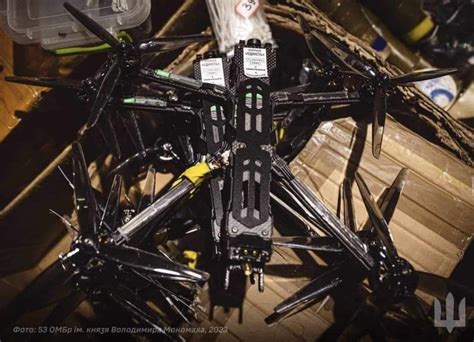
The Marine Corps is building on this by emphasizing open architecture, autonomy, and field-sustainment. Marines must be able to repair the systems themselves, integrate third-party payloads, and convert drones from surveillance to lethal platforms—without going back to the vendor.
Modularity and Interoperability are Non-Negotiable
The Corps is demanding open system architectures compatible with widely used tools like:
- ATAK (Android Tactical Assault Kit)
- ROS (Robot Operating System)
- OpenMAVLink protocols
Control and communications must support analog, digital, GSM, and even fiber-based transmission, allowing units to survive sophisticated jamming environments. AI-assisted capabilities—such as object recognition, target tracking, and waypoint navigation—are strongly encouraged, if not essential.
Payload versatility is also key. The Marine Corps has explicitly called for the ability to carry 30mm mortars, hand grenades, and other lethal or non-lethal packages. Drones should double as counter-UAS targets during training, adding even more utility to their combat and peacetime roles.
Training Pipeline Underway: From Novelty to Core Capability
This push isn’t just about equipment—it’s about personnel. The Marine Corps has already laid the groundwork for a dedicated drone operator force. New guidelines approved via MARADMIN formalize certification paths for both Basic Drone Operators and Attack Drone Operators, open to all military occupational specialties.
Instruction is being scaled at Weapons Training Battalion in Quantico, which now serves as the Corps’ interim hub for drone training. The formation of a Marine Corps Attack Drone Team further solidifies institutional support, ensuring that drone tactics and doctrine evolve in lockstep with the rapidly shifting technology base.
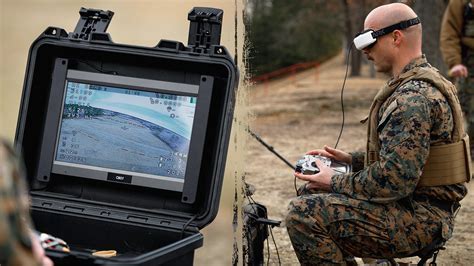
Force Design Integration: Closing the Kill Web
The FPV drone procurement is tightly aligned with the Marine Corps’ Force Design 2030 transformation, a comprehensive modernization effort focused on building highly distributed, forward-deployed units capable of operating in contested littoral environments.
Key Force Design imperatives supported by the drone initiative include:
- Organic precision fires at the squad or platoon level
- Enhanced counter-UAS capabilities
- Shorter kill chains during expeditionary operations
- Modular, scalable ISR and strike solutions for denied environments
In effect, these drones serve as both a spear and a shield—enabling rapid engagement of enemy assets while also saturating the airspace with cheap, hard-to-track threats that force adversaries to expend valuable munitions or reveal positions.
The Cost Equation: Scaling Combat Power on a Budget
By making cost the dominant selection factor, the Marine Corps is signaling a preference for quantity over perfection. This mirrors the hard-earned lesson from Ukraine: tactical value does not always correlate with platform sophistication. What matters more is speed, adaptability, and scale.
This philosophy opens the door for smaller, more agile domestic manufacturers to contribute to national defense without competing against the defense giants who dominate traditional military contracts. Startups and mid-tier firms specializing in COTS (commercial off-the-shelf) drone technology and modular components are likely to play a crucial role.
Redefining the Future of Infantry Warfare
The U.S. Marine Corps is not just testing drones—it’s testing a new way of war. If industry can meet the demanding timelines and price points, these 10,000 drones could become the vanguard of a broader transformation in how infantry units fight, maneuver, and survive.
Rather than relying solely on airpower or artillery for precision effects, small units will carry their own air support, ready to strike within seconds using systems they can maintain and modify in the field. This agility is central to surviving the near-peer conflicts the U.S. military increasingly anticipates.
The results of this bold experiment could ripple far beyond the Corps, reshaping acquisition models, doctrinal assumptions, and global expectations about what it means to fight and win in the drone age.