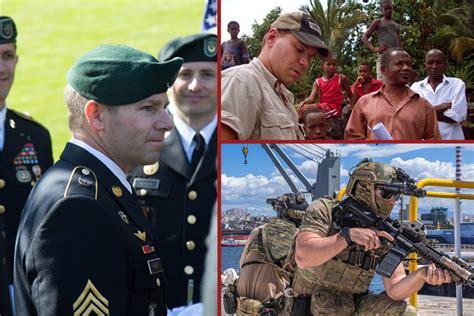
In military discussions, Special Forces and Special Operations Forces (SOF) are often used interchangeably, especially in mainstream media. However, this conflation overlooks critical distinctions that influence both tactical and strategic military outcomes. While these elite units operate under the broader umbrella of unconventional warfare, their doctrinal missions, selection processes, and operational scopes differ considerably. Understanding the nuances between these groups is essential, not just for enthusiasts and historians, but also for policymakers and military strategists.
The Historical Origins of Special Forces
The origins of Special Forces can be traced back to World War I, with the emergence of German Stormtroopers—agile units designed to breach entrenched enemy lines. This form of infiltration-based combat became the blueprint for future specialized warfare units. Fast forward to the Cold War era, and we see the official formation of the U.S. Army Special Forces, famously known as the Green Berets. Their role was clear: to infiltrate enemy territory, foster insurgencies, and execute covert operations that conventional military units could not.
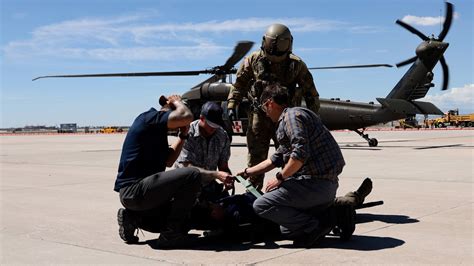
Unlike general SOF, Special Forces units are meticulously trained in foreign internal defense, counterterrorism, direct action, and reconnaissance, but their true hallmark lies in unconventional warfare. They excel in environments where they must organize, train, and lead guerrilla forces, often embedded deep within hostile regions. To fulfill this demanding role, Special Forces operators are multilingual, culturally astute, and possess advanced survival skills. These qualities earn them the reputation of being “Quiet Professionals”—operatives who succeed without recognition.
Special Operations: Expanding the Tactical Horizon
While Special Forces are a component of U.S. Special Operations Command (USSOCOM), the term Special Operations refers to a much broader range of units across all military branches. This includes the Navy SEALs, Marine Raiders, Air Force Special Tactics, and Army Rangers, among others. Each of these elite formations specializes in high-risk missions that standard military units cannot accomplish.
A prime example of Special Operations at work is Operation Neptune Spear—the 2011 raid that resulted in the death of Osama bin Laden. The mission was executed by SEAL Team Six, a Tier 1 Special Mission Unit renowned for its proficiency in hostage rescue, counterterrorism, and maritime operations. Though based within the Navy, SEAL Teams include service members from multiple branches, reflecting the interoperable nature of Special Operations Forces.
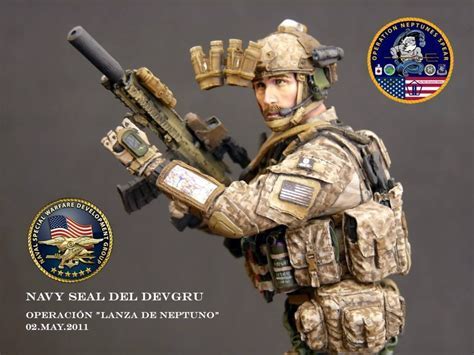
Unlike the Green Berets who might be cultivating local resistance fighters in remote villages, SEALs are often tasked with surgical strikes, sabotage, or high-value target eliminations. Their training involves not only combat, but also diving, demolitions, aviation, and arctic and desert warfare—making them extraordinarily versatile.
Mission Profiles: Diverging Objectives
The primary divergence between Special Forces and Special Operations lies in their mission design and long-term objectives. Special Forces missions are deeply rooted in socio-political dynamics, requiring long-term deployments, community integration, and indirect engagement strategies. Their success is measured not by immediate victories but by sustainable influence and strategic destabilization of adversarial powers.
Conversely, Special Operations units like Delta Force or the SEALs often operate on a short-term, high-intensity mission spectrum. Their engagements are swift, precise, and often classified. These units are the go-to assets for counterterrorism raids, intelligence gathering, and critical infrastructure sabotage. Their ability to strike globally within hours makes them indispensable in today’s asymmetric warfare landscape.
Training and Selection: Mental and Physical Gauntlets
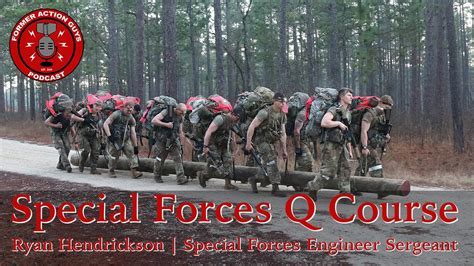
To become a Green Beret, candidates must undergo the Special Forces Assessment and Selection (SFAS) followed by the Special Forces Qualification Course (Q Course)—a grueling journey emphasizing language proficiency, cultural knowledge, and psychological endurance. Operators are expected to make complex decisions independently, often without support or immediate command oversight.
In contrast, Navy SEAL candidates face Basic Underwater Demolition/SEAL (BUD/S) training—a punishing regimen that weeds out all but the most physically and mentally resilient. Hell Week, a hallmark of BUD/S, pushes candidates through 5.5 days of near-continuous physical exertion on less than four hours of sleep. Delta Force’s selection, meanwhile, remains shrouded in secrecy, but is known to test psychological stability under extreme stress and demands perfection in marksmanship, reconnaissance, and close-quarters combat.
Organizational Structure and Command
Special Forces fall under U.S. Army Special Operations Command (USASOC) and are directly subordinate to USSOCOM, yet they maintain a unique identity within the Army’s doctrinal framework. They are aligned with regional commands to ensure linguistic and cultural specialization. This regional alignment is critical for operations requiring prolonged engagements in politically sensitive areas.
On the other hand, Special Operations units are distributed across various military branches, each governed by its respective chain of command but unified under USSOCOM’s joint operational command. This framework ensures rapid joint-force deployment, especially for crisis response and time-sensitive missions requiring expertise across air, land, and sea domains.
Why the Distinction Matters
Blurring the line between Special Forces and Special Operations is not just a semantic error—it leads to misunderstanding military capabilities and misallocation of strategic resources. For policymakers, it’s crucial to know whether a mission requires long-term regional influence, best handled by Special Forces, or immediate, tactical execution, suitable for Special Operations units.
For the public and media, using the correct terminology honors the distinct training, sacrifices, and identities of these elite warriors. A Green Beret who has spent months training indigenous fighters in mountainous terrain deserves a different recognition than a SEAL operator who stormed a terrorist compound with precision and lethality.
Conclusion: Two Elite Paths, One Mission to Protect
Special Forces and Special Operations Forces each serve indispensable, yet distinct roles in the theater of modern warfare. Their shared traits—discipline, secrecy, and elite status—mask fundamental differences in purpose, scope, and application. By appreciating these differences, we gain a more accurate and respectful understanding of how today’s most elite military units safeguard global security. Whether raising armies from within or executing stealth raids, these forces remain the sharpest edges of national defense.