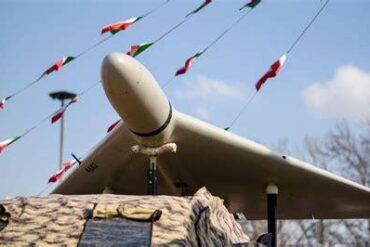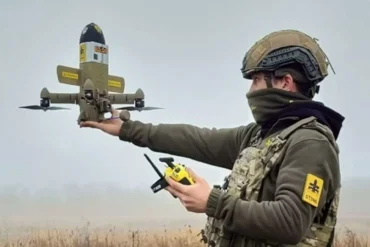
In the ongoing war between Ukraine and Russia, one of the most alarming threats to modern militaries comes in the form of first-person-view (FPV) kamikaze drones. These small, highly maneuverable drones are capable of pinpointing and devastating high-value targets with a minimal cost to the operator. The Ukrainian Special Operations Forces (SOF), particularly the 3rd Regiment, have recently unveiled a groundbreaking approach to countering this aerial threat: using shotguns for close-range drone defense. This method, honed through real-world experience in active combat zones, has profound implications not only for Ukraine’s battlefield strategies but also for U.S. and NATO forces dealing with the increasing prevalence of drone threats.
Adapting to a New Battlefield Reality: The Emergence of the Shotgun Tactics
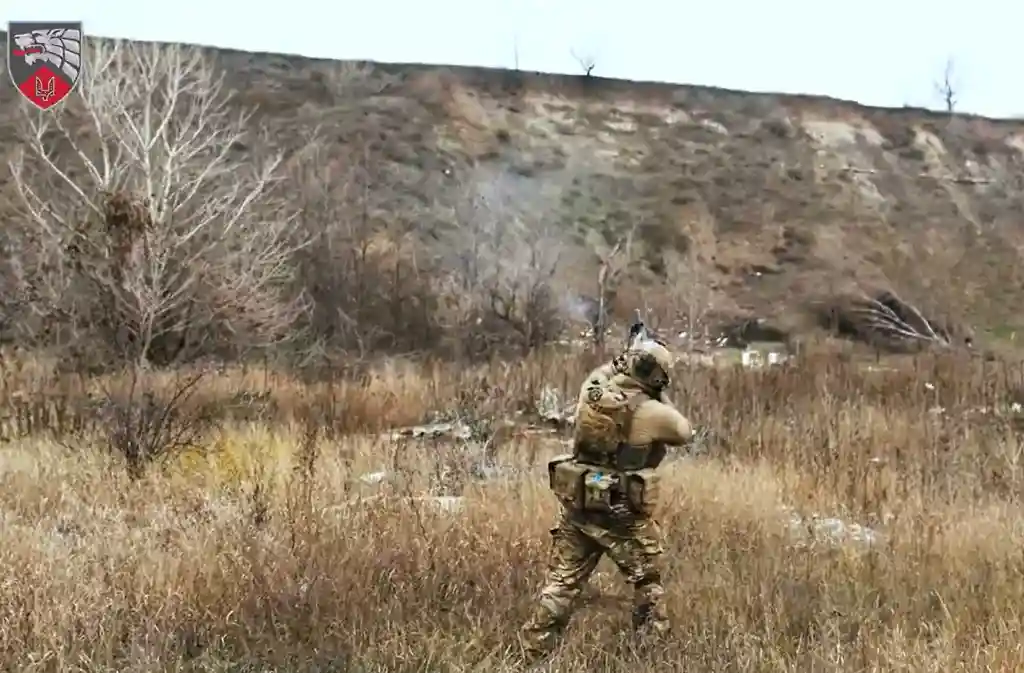
The Ukrainian military’s rapid adaptation to drone threats is a testament to their innovative mindset under extreme pressure. In recent months, Ukrainian forces have experienced firsthand the devastating impact of FPV drones, which are often used to target troops in defensive positions such as trenches and urban rubble. The drones, small yet deadly, pose a challenge to traditional defense systems like jamming equipment or missile-based air defense, which are often economically impractical or unavailable on the frontlines. In response, the 3rd Regiment of Ukrainian SOF has developed a series of tactical drills utilizing 12-gauge shotguns to intercept these drones.
At a classified training ground in eastern Ukraine, soldiers undergo intensive drills designed to neutralize incoming drones using both pump-action and semi-automatic shotguns. These drills are not just experimental; they are the result of extensive training cycles, battlefield feedback, and continuous refinement of counter-drone tactics. The Ukrainian forces focus on close-range, kinetic interception of drones, a tactic that has proven effective when the drone is detected in time.
The principle behind these shotgun tactics is simple but effective: A shotgun blast, when aimed correctly, can disable or destroy an FPV drone before it hits its intended target. The emphasis here is not just on the weapon itself but on the highly specialized training that enables soldiers to act quickly and accurately. Ukrainian forces are trained to shoot at drones traveling at various speeds and angles, including head-on and flanking trajectories. The training is designed to simulate real combat scenarios, with noise, distractions, and visual cues like flashing lights or smoke to mimic the battlefield conditions.
Realistic Training and Tactical Drills
The soldiers participating in these counter-drone drills are trained to engage the drone in a variety of scenarios. Some exercises require shooting while in ambidextrous positions, others demand rapid target reacquisition, and some involve firing from behind cover, such as trenches or urban debris. The goal is to prepare soldiers for every possible situation in which they might encounter a drone, whether in an open field, an urban setting, or an environment with limited visibility.
The training also includes extensive situational awareness exercises. Soldiers are taught to identify the sound signatures of FPV engines, recognize low-altitude flight corridors, and use spotters to trigger a fast response. This training is critical because FPV drones are often guided by operators who are located miles away, and the drones themselves can appear with little warning. Without advanced electronic warfare systems to disrupt the drone’s signal, Ukrainian forces rely on their awareness and training to respond effectively.
Global Impact: How the Shotgun Tactics are Shaping Counter-Drone Defense Worldwide
The tactics developed by the Ukrainian 3rd Regiment have already begun to influence global military strategies, as other nations take note of the success of shotgun-based counter-drone systems. Manufacturers of firearms and ammunition are racing to adapt their products for this growing need, and several companies have begun to market specialized shotguns and ammunition designed specifically for drone defense.
For example, FN Herstal has introduced a tactical version of the Winchester SX4 semi-automatic shotgun, which has been tailored for military and security forces. The shotgun’s gas-operated semi-automatic action allows for rapid follow-up shots, making it ideal for engaging fast-moving drones. The SX4 Tactical is chambered in 12-gauge and can fire both 2¾” and 3″ magnum shells, offering both flexibility and stopping power when facing aerial threats. Its lightweight design, along with its compatibility with red-dot optics, makes it particularly suited for drone interception in close-range combat scenarios.
Other manufacturers are also following suit. Beretta Defense Technologies is reportedly developing specialized 12-gauge ammunition with optimized spread patterns and fragmentation effects, which are specifically designed to maximize the likelihood of disabling drones. Meanwhile, in Turkey, firms like Hatsan are marketing tactical shotgun variants with enhanced recoil control systems, reinforced polymer stocks, and advanced sighting options. These features make them particularly well-suited for counter-drone operations in both open terrain and close-quarters combat.
In the United States, the M1014 Joint Service Combat Shotgun has undergone trials with the U.S. Marine Corps, testing the shotgun’s viability for counter-drone defense. The U.S. military has explored using heavier shot loads, such as tungsten or steel pellets, to enhance the lethality of shotguns when engaging small aerial targets. These trials are significant, as they suggest that shotguns could become a key tool in the military’s arsenal against small unmanned aerial systems (sUAS) in environments where larger air defense systems are either impractical or unavailable.
A Tactical Shift: Decentralizing Counter-Drone Defense
As more nations begin to adopt shotgun-based tactics for drone defense, there is a broader shift taking place in the way modern militaries approach air defense. Traditionally, air defense systems have been centralized, with large, sophisticated systems in place to protect entire bases or critical assets. However, the rise of cheap, small drones has made such systems less effective in certain situations. Instead, the emphasis is now on decentralizing counter-drone defense, moving it to the tactical edge where soldiers can respond quickly to immediate threats.
In Ukraine, the 3rd Regiment’s shotgun tactics have already been extended to National Guard units and regular infantry brigades. The Ukrainian military is emphasizing the importance of close-range drone defense, with the goal of making every soldier on the frontline capable of neutralizing drone threats. This approach represents a departure from the conventional model of centralized air defense, signaling a shift toward more flexible, decentralized defense strategies. In the future, it is likely that drone defense will be a skill every soldier must master, especially as drones become more prevalent in warfare.
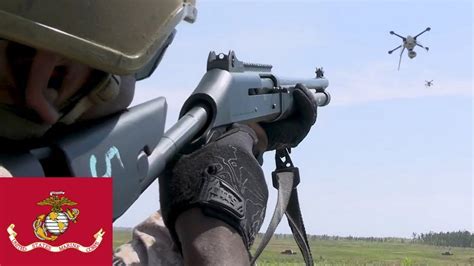
This shift also reflects a larger transformation in modern warfare, where the focus is increasingly on speed, adaptability, and the integration of low-cost, high-impact solutions. The shotgun, once seen as a traditional and somewhat obsolete weapon, is proving its relevance in the 21st-century battlefield. With its availability, low cost, and effectiveness in countering small, agile drones, the shotgun is carving out a new role in modern military tactics.
The Future of Counter-Drone Warfare
Looking forward, the global military community must continue to innovate in the face of increasingly sophisticated unmanned threats. The success of Ukrainian forces in using shotguns to neutralize FPV drones highlights the importance of rapid adaptation and tactical innovation. While the desire for advanced drone-jamming and missile defense systems remains strong, the simple yet effective shotgun could play a critical role in defending against the growing threat of small, cost-effective drones.
This approach to counter-drone defense is already influencing the tactics and strategies of NATO forces and beyond, as countries like the United States, Israel, and Australia have begun to incorporate similar methods into their training regimes. As unmanned systems continue to proliferate, from swarming drones to autonomous loitering munitions, the need for efficient, low-tech countermeasures will only grow. The rise of shotgun-based tactics could very well be a pivotal moment in the evolution of modern military strategy, setting the stage for a new era of decentralized, kinetic defense against the drone revolution.
The future of warfare will be defined not only by the drones that dominate the skies but also by the soldiers on the ground who are trained to stop them in their tracks. With the rapid pace of technological advancement, the tactics and training methods pioneered by Ukrainian Special Forces offer valuable insights for militaries around the world preparing for the challenges of drone warfare.