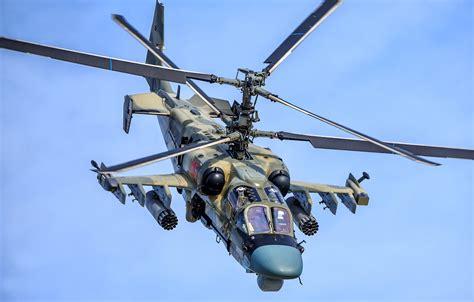
The Russian Armed Forces have increasingly relied on their Ka-52 attack helicopters to combat the growing threat posed by Ukrainian drones. These unmanned systems have been targeting critical infrastructure deep within Russian territory for several months, prompting the Russian military to adapt its defensive strategies. As recent footage shared by the Telegram channel Fighterbomber shows, a Ka-52 helicopter was involved in a series of operations to neutralize Ukrainian drones during a massive aerial assault originating from Ukraine.
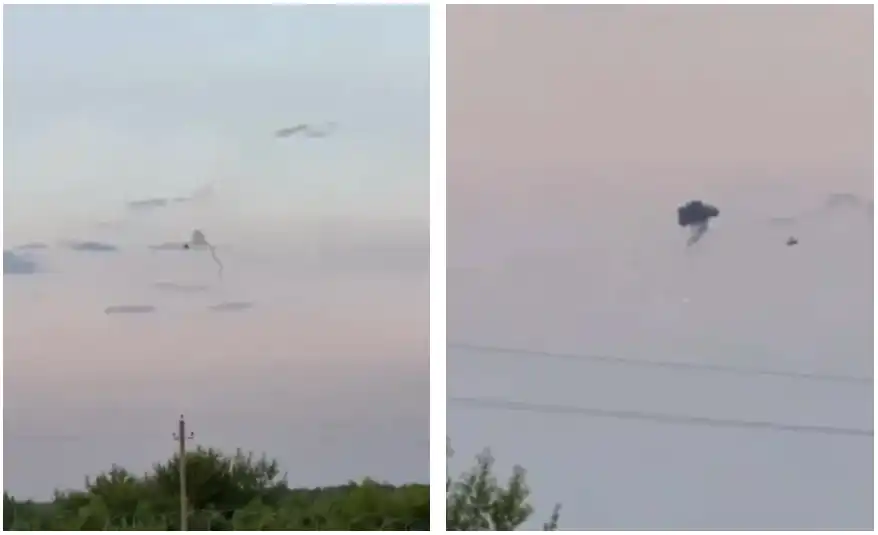
The video sequence highlights a critical moment in the ongoing aerial conflict, where a Ka-52 attack helicopter launched up to three 9M39 Igla air-to-air missiles in an attempt to shoot down a Ukrainian drone. The footage illustrates the growing complexity of countering drone threats, with the Ka-52 helicopters attempting to intercept the small unmanned vehicles that have become notorious for their role in targeting Russia’s vital infrastructure.
The Challenges of Countering Drones with Air-to-Air Missiles
The use of the 9M39 Igla air-to-air missile is a significant part of Russia’s defense strategy against drones. However, the missile’s effectiveness in such missions has been questioned. The Igla missile system, while highly effective against manned aircraft, struggles against the small, maneuverable Ukrainian drones. In the video, it is evident that the first two missiles failed to hit the target despite locking onto the drone’s heat signature. This failure is attributed to the missile’s IMP and GRZ fuzes, which require a direct or glancing impact to detonate.
While the missile system appeared to lock onto the drone’s heat signature, the lack of a proximity fuze—which is typically used in air defense against smaller, quicker targets—makes the Igla less effective in countering Ukrainian drones. As a result, the Ka-52 helicopter’s efforts to shoot down the drone required multiple attempts, illustrating the difficulties of using traditional air-to-air missile systems against small and agile aerial targets.
Role of the Ka-52 Attack Helicopter in Anti-Drone Operations
The involvement of the Ka-52 attack helicopters in countering drone threats has become a routine part of Russia’s military operations. These rotary-wing aircraft have been adapted to defend key strategic sites from the ongoing aerial assaults by Ukrainian drones. The presence of the Ka-52 in counter-drone operations is part of the larger defensive rings set up around high-value targets in Russia. These defense rings consist of a variety of air defense systems and other military resources, with the Ka-52 helicopters working in coordination to provide layered protection against the drone threat.
The presence of attack helicopters like the Ka-52 on Russian soil is significant for several reasons. Firstly, it indicates that the Russian military is adjusting its resources in response to the growing threat of drone warfare. The increasing frequency of drone attacks has led to a reallocation of military assets that would otherwise be deployed on the front lines. The Ka-52 helicopters, traditionally used for support in offensive operations, are now being redirected to defense tasks, signaling the growing importance of protecting Russian territory from air threats.
Impact on Russian Frontline Operations
The shift in focus towards countering Ukrainian drones has had an impact on Russia’s frontline operations. With the Ka-52 attack helicopters being pulled away from their usual role of supporting frontline units, Russia’s operational capacity on the front lines has been affected. The decision to prioritize counter-drone measures reveals the escalating importance of defending critical infrastructure, including military bases, energy facilities, and civilian areas, from drone attacks.
As Ukraine’s drone capabilities continue to evolve, the Russian military must balance its resources between defending against these aerial threats and maintaining offensive operations. This growing concern over drone warfare has been mirrored by similar challenges on the Ukrainian side, where drones have also played a significant role in disrupting Russian military activities.
The Increasing Threat of Drones to Traditional Warfare
The ongoing conflict in Ukraine has highlighted the increasing importance of drones in modern warfare. Both sides have made significant investments in unmanned aerial systems (UAS), recognizing their potential to change the dynamics of traditional battlefield strategies. For Russia, the use of Ka-52 attack helicopters to counter drones is an attempt to integrate rotary-wing aircraft into a counter-drone defense strategy, complementing traditional air defense systems.
However, as the footage of the Ka-52 helicopter shows, the use of air-to-air missiles to combat drones has its limitations. The success of counter-drone operations depends not only on the technology but also on the strategy and adaptability of the forces involved. The ongoing drone warfare is forcing both Russia and Ukraine to rethink their air defense tactics, adapting to the growing sophistication of unmanned systems.
Future of Russian Counter-Drone Strategies
The future of Russia’s counter-drone strategies will likely involve continued reliance on Ka-52 helicopters in defensive roles. However, the limitations of current air-to-air missile technology, such as the 9M39 Igla, may prompt the Russian military to explore more advanced solutions. New developments in counter-drone technology, including the use of directed energy weapons, jamming systems, and more specialized air defense missiles, are expected to play a significant role in Russia’s evolving defense strategies.
As drone warfare continues to evolve, both Russia and Ukraine will need to stay ahead of technological advancements to maintain control of the skies. The Ka-52 attack helicopters may continue to play a crucial role, but their success in countering Ukrainian drones will depend on the ongoing development of air defense systems that can better address the challenges posed by small, agile aerial targets.
Conclusion
The Ka-52 attack helicopter remains a vital component of Russia’s defense strategy against the growing threat of Ukrainian drones. As evidenced by the recent video footage, these helicopters are adapting to a new role in countering the threat posed by unmanned aerial systems. Despite some setbacks in missile effectiveness, Russia’s commitment to utilizing its rotary-wing assets in defense operations underscores the importance of staying ahead in the evolving landscape of modern warfare.
The challenges faced by the Russian military in intercepting Ukrainian drones reveal the limitations of traditional air defense technology, but also the innovative ways in which military forces are adapting to the new realities of warfare. As drone technology continues to evolve, the conflict between Russia and Ukraine will likely see more counter-drone tactics emerge, with the Ka-52 attack helicopter remaining at the forefront of these efforts.