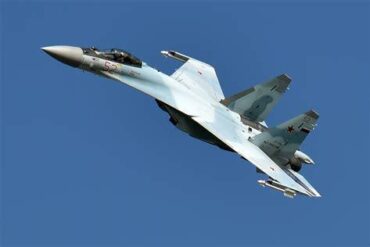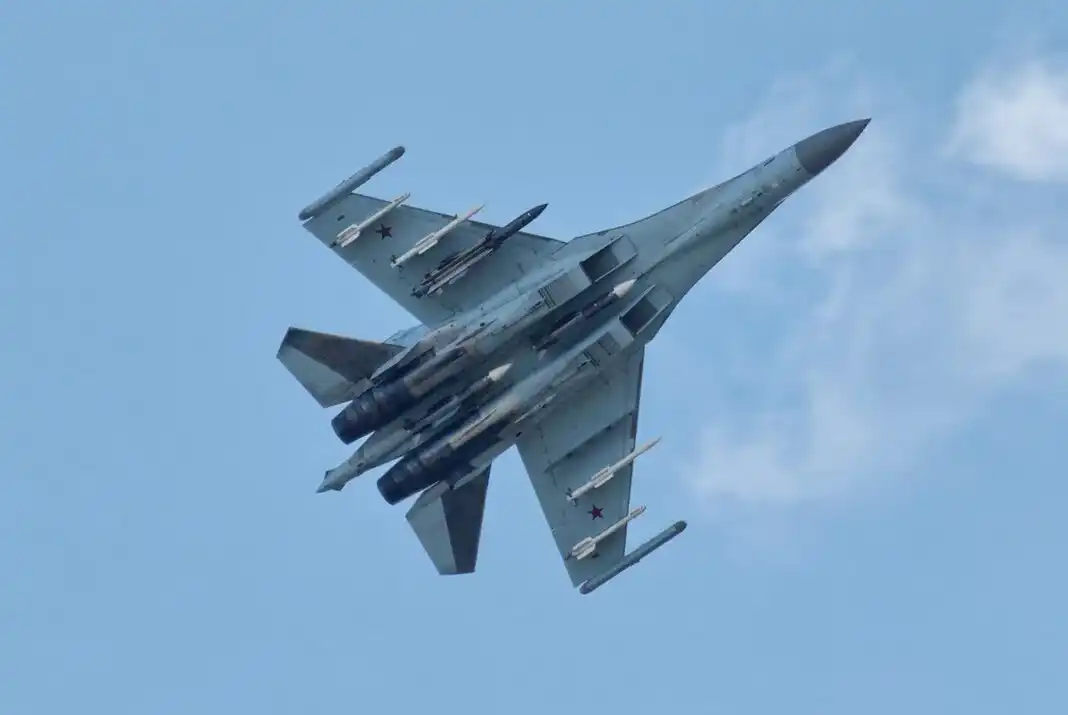
In a high-stakes escalation of aerial warfare along the contested frontlines of Eastern Europe, Ukrainian Air Force units successfully downed a Russian Su-35 multirole fighter jet in the early hours of June 7. The incident occurred in the Kursk sector, a region increasingly under scrutiny as Ukrainian forces intensify precision air operations against strategic Russian military infrastructure.
According to an official statement from Kyiv, the Su-35 was neutralized during an active air operation, although Ukrainian defense officials have so far withheld specific details regarding the method of engagement or the coordinates of the shootdown. The terse but deliberate announcement underscores Ukraine’s strategic discretion as it continues to conduct complex air denial and counter-air missions under high-risk conditions.
A Calculated Kill: Su-35 Brought Down in Ambush Near Kursk
Unofficial sources suggest the Russian Su-35 was attempting to intercept Ukrainian aircraft involved in cross-border precision strike missions. The fighter reportedly strayed into a pre-configured Ukrainian trap, possibly involving coordinated radar suppression and electronic warfare tactics, before being decisively engaged.
The incident is significant not only because of the advanced capabilities of the Su-35, but because it marks an intensifying phase of Ukraine’s cross-border air denial strategy. While Ukraine has previously conducted successful strikes inside Russian territory, bringing down a frontline Russian air superiority fighter near its home airspace sends a potent message.
The Su-35: A Centerpiece of Russian Aerospace Power
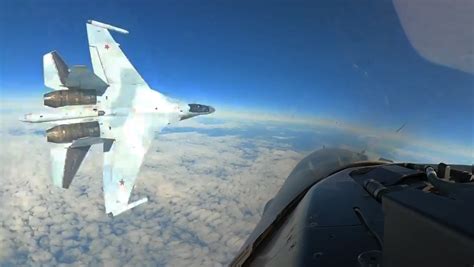
The Sukhoi Su-35 is a modernized derivative of the Su-27 airframe, representing one of the Russian Aerospace Forces’ most formidable fourth-generation fighters. It features a N035 Irbis-E phased-array radar, advanced avionics, and is capable of deploying long-range R-77 and R-37 air-to-air missiles.
The Su-35’s operational role spans both air superiority and strike escort missions, making it a critical asset for safeguarding Russian tactical bomber fleets and targeting high-value airborne threats. Its loss is a psychological and operational blow to Russian air command, particularly given its scarcity in the theater.
Casualties Mount: Ongoing Attrition of Russian Su-35 Fleet
The destruction of the Su-35 on June 7 adds to the growing list of losses Russia has sustained since launching its full-scale invasion of Ukraine in February 2022. Independent open-source intelligence analysts from Oryx have visually confirmed at least seven Su-35 losses, with estimated total losses ranging around ten.
These figures, while modest compared to broader aircraft losses, represent a significant attritional toll on Russia’s high-end fighter capabilities. The relatively limited number of Su-35s in active rotation across multiple theaters makes each downing tactically impactful and logistically burdensome.
Strategic Implications: Ukraine Extends the Fight Across Borders
The incident near Kursk reflects an increasingly assertive Ukrainian doctrine aimed at extending air denial and strike capability deep into Russian territory. This strategic pivot coincides with the Ukrainian military’s broader efforts to adapt and evolve amid ongoing aerial pressure from superior Russian numbers.
Recent months have seen a notable uptick in Ukrainian long-range drone strikes, cruise missile missions, and sabotage operations targeting Russian logistics hubs, ammunition depots, and radar stations inside Belgorod, Bryansk, and Kursk oblasts. By targeting these strategic assets, Ukraine aims to disrupt Russian resupply chains and inhibit force projection into frontline oblasts like Kharkiv and Sumy.
A War of Sensors and Deception: Ukraine’s Emerging Air Tactics
The shootdown also illustrates Ukraine’s evolving electronic warfare (EW) and counter-air capabilities. With Western-supplied radar-jamming systems, advanced MANPADS, and networked anti-air defense, Ukraine is leveraging deception, decoys, and terrain masking to outmaneuver better-equipped Russian aircraft.
Several reports indicate Ukraine may be deploying mobile anti-air systems alongside decoy radars, baiting Russian fighters like the Su-35 into kill zones while maintaining minimal risk to friendly airframes. These layered defense tactics mirror NATO-integrated air defense doctrines, suggesting accelerated Western doctrinal adoption.
Information Warfare and Operational Secrecy
Ukraine’s limited disclosure surrounding the shootdown aligns with its strategic information warfare posture, which avoids real-time detail releases to protect ongoing operations. This approach contrasts with Russia’s often immediate but sometimes unverifiable claims, and supports Kyiv’s policy of maintaining narrative credibility in both domestic and international media.
While no video or photographic proof of the Su-35 wreckage has been made public yet, previous Ukrainian claims have typically been validated through third-party geolocation efforts and satellite imagery. It remains likely that imagery or confirmation from OSINT groups will emerge in the days to follow.
Kursk Sector: A Growing Flashpoint
The choice of Kursk as the engagement zone is tactically significant. Once considered a relatively quiet border region, the Kursk area has become a forward operational base for Russian air activity, drone surveillance, and strike coordination.
In recent weeks, Russian units have used airfields and radar stations in Kursk Oblast to launch and direct attacks into Ukrainian territory. Ukrainian forces appear to be treating such facilities as legitimate military targets, utilizing high-altitude drones and precision strike aircraft to disrupt operations and degrade command capabilities.
Air Superiority in Flux: A Tilt Toward Denial, Not Dominance
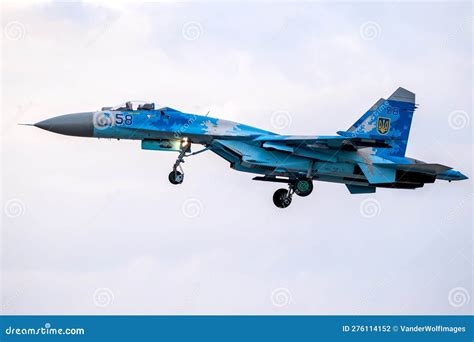
The Ukrainian Air Force, while smaller in scale and aging in fleet composition, is pursuing air denial rather than traditional air superiority. With the support of Western surveillance data, mobile air defense, and precision-guided munitions, Ukraine has created contested airspace zones even inside Russia’s own borders.
Russia, by contrast, continues to rely on numerical dominance, long-range missile strikes, and strategic bombers, but its inability to secure uncontested airspace in bordering Russian oblasts highlights deep tactical vulnerabilities. These gaps offer Ukraine windows of opportunity to interdict high-value aerial assets like the Su-35.
What the Loss Means for Russia’s Air Campaign
The operational loss of another Su-35 raises critical questions about the sustainability and depth of Russia’s air campaign. As sanctions constrict Russia’s ability to replenish high-tech components, maintaining operational readiness of remaining Su-35 units becomes increasingly difficult. The aircraft’s sophisticated radar systems and thrust-vectoring engines require foreign-made parts, many of which are now embargoed.
Moreover, the psychological impact of losing a flagship fighter jet in what should be protected airspace undermines Russian claims of air dominance. For front-line pilots, such events could influence risk-averse behavior and reduced sortie frequency, thereby diminishing the tempo of Russian air operations.
Looking Forward: Tipping the Tactical Balance?
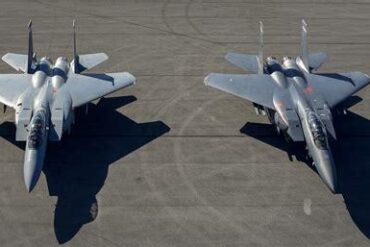
This event could represent more than a singular tactical victory — it may signal a gradual shift in the air power balance, especially as Ukraine awaits delivery of F-16 fighter jets and bolstered ground-based air defense platforms. Western partners have already pledged to improve Ukraine’s radar coverage, early-warning networks, and airframe survivability.
As Ukraine continues to innovate and adapt its aerial warfare doctrine, even limited successes like this Su-35 shootdown ripple across broader strategic planning — influencing resource allocations, airframe positioning, and engagement thresholds on both sides of the war.
In the complex calculus of modern warfare, the destruction of a single fighter jet like the Su-35 is no longer a footnote — it is a deliberate, calculated maneuver in an evolving struggle for control over the skies of Eastern Europe.