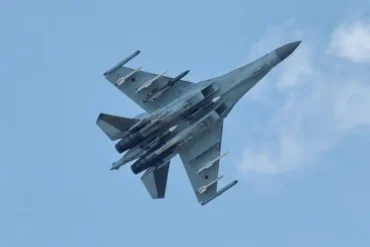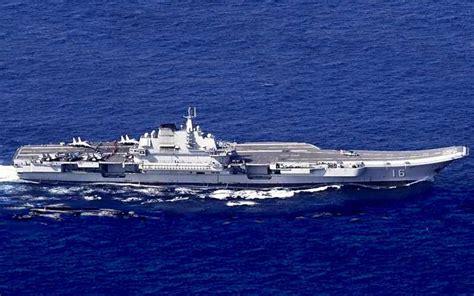
In a landmark shift in defense policy, Japan has officially granted its Self-Defense Forces (SDF) the authority to shoot down foreign drones, including those operated by China, if they enter Japanese airspace—even in the absence of an imminent threat to human life. This significant move, approved by Prime Minister Shigeru Ishiba’s Cabinet in late June 2025, marks a turning point in Tokyo’s increasingly assertive response to escalating aerial incursions and geopolitical friction in the region.
Strategic Response to Unmanned Intrusions
Until recently, Japan’s military was bound by rules of engagement that strictly limited the use of force against unmanned aerial vehicles (UAVs). The Japan Air Self-Defense Force (JASDF) could intercept and shadow foreign drones, but was prohibited from engaging unless there was an explicit, immediate threat to human life. This long-standing policy, shaped by Japan’s pacifist post-war constitution, proved increasingly inadequate as China’s drone activity in the East China Sea surged.
The formalization of shootdown authorization follows a growing trend of drone sightings in Japan’s Air Defense Identification Zone (ADIZ), particularly around the disputed Senkaku Islands—a sensitive hotspot claimed by both Tokyo and Beijing. According to a report from Japan’s Defense Ministry, the JASDF scrambled its fighter jets 704 times in fiscal year 2024 to respond to incursions by Chinese and Russian aircraft. Among them were 30 confirmed Chinese drone operations, many of which mirrored movements observed in Taiwan’s air defense space.
Legal Evolution and Political Pressure
The groundwork for this policy evolution was laid in February 2023, when an expanded interpretation of Japan’s self-defense parameters was first floated. The Ishiba administration, recognizing the strategic ambiguity surrounding drone warfare, moved to bridge the legal gap. In June 2025, this approach was formally codified following pressure from independent lawmakers like Jin Matsubara, who received written confirmation of the new rules in response to a parliamentary inquiry.
Japan’s defense law now allows engagement with unmanned aircraft that violate sovereign airspace, regardless of whether the UAV is armed. The shift reflects growing political consensus in Tokyo that modern threats are not limited to traditional military platforms, and that drones—whether for reconnaissance or electronic warfare—represent a credible and evolving risk.
Rising Drone Threats from China
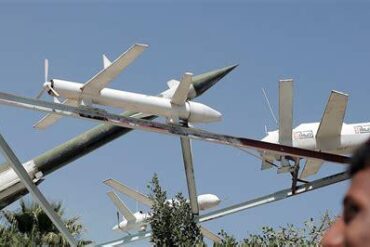
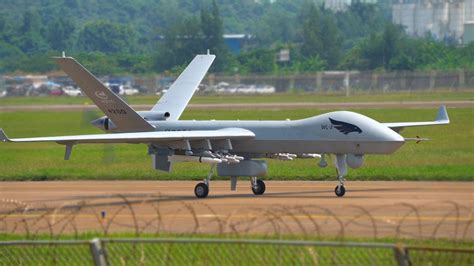
Aerial imagery released by the Joint Staff Office of Japan’s Defense Ministry underscores the scale and nature of this emerging threat. Chinese drones like the TB-001, BZK-005, and Wing Loong 2 have been identified flying in international airspace near Japan’s southwestern islands. These are not hobbyist quadcopters—they are sophisticated, high-endurance UAVs capable of long-range surveillance and, in some configurations, armed strike missions.
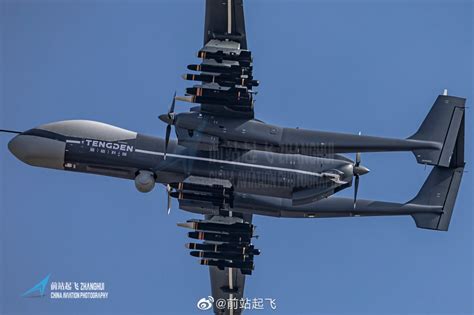
Notably, none of the drones detected so far have crossed into Japan’s official airspace. Yet their presence just outside the boundary—especially near Okinawa and the Senkaku Islands—has triggered concerns of gray-zone warfare, a strategy where a country pushes limits without overtly triggering war. This pattern, coupled with recent Chinese gas exploration activities in disputed waters, adds fuel to an already volatile geopolitical dynamic.
Implications for US-Japan Security Alliance
Japan’s decision carries implications not only for its national defense but also for its strategic alliance with the United States. Under the U.S.-Japan Security Treaty, Washington is obligated to assist Tokyo in the event of an attack on Japanese territory—including the Senkaku Islands, which the U.S. formally recognizes as under Japanese administration.
By clarifying its rules of engagement against unmanned threats, Japan is effectively signaling to both allies and adversaries that it will not hesitate to act preemptively against perceived encroachments. This aligns with broader regional security trends, where U.S. allies are modernizing their defense postures to respond to China’s rapidly advancing drone and missile technologies.
Regional and Diplomatic Reactions
Unsurprisingly, the decision has stirred diplomatic reactions. Chinese Foreign Ministry spokesperson Guo Jiakun commented on June 25 that “China upholds and remains committed to the comprehensive and effective implementation of the principled consensus on the East China Sea issue.” He urged Japan to resume bilateral negotiations to resolve disputes peacefully.
Meanwhile, Jin Matsubara, the Japanese lawmaker who catalyzed the policy clarification, stated: “With the rapid changes in security, particularly in military matters, we must constantly update our efforts.” His remarks highlight the growing domestic political will to abandon outdated postures in favor of more proactive defense measures.
Emerging Counter-Drone Technologies
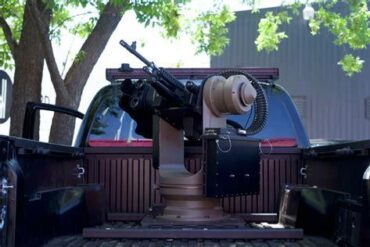
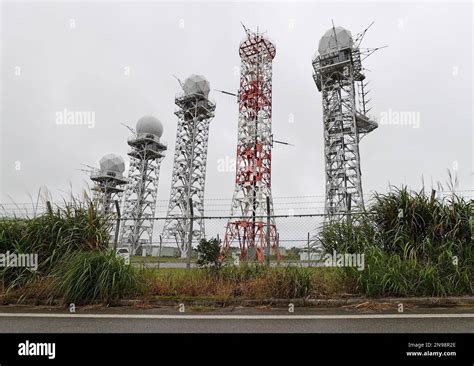
While aerial intercepts by fighter jets remain the primary tool for engaging hostile drones, Japan is rapidly investing in ground-based anti-drone systems, including cutting-edge directed energy weapons (DEWs). These laser-based systems offer the advantage of instant, cost-effective response to small and medium-sized UAVs, especially in situations where traditional kinetic engagement may be disproportionate or risky.
In parallel, the Ministry of Defense is working with Japanese defense contractors to develop electronic warfare tools, such as jamming and spoofing systems, that can disable or divert drones without physical contact. These technologies are seen as vital for defending critical infrastructure, coastal installations, and naval assets from drone swarms and other low-signature aerial threats.
The Flashpoint: Senkaku/Diaoyu Islands
At the center of this policy escalation lies the Senkaku Islands—called Diaoyu by China—a small, uninhabited archipelago that holds immense symbolic and strategic value. Though administered by Japan, the islands are frequently patrolled by Chinese coast guard vessels and overflown by Chinese drones and aircraft.
Any future incident involving a shootdown of a Chinese drone over or near the Senkakus could provoke a military or diplomatic escalation, particularly if casualties occur or if debris lands in contested waters. Yet from Tokyo’s standpoint, failing to act against unauthorized incursions would invite further provocations and erode its claim of sovereignty.
What Lies Ahead
As tensions in the East China Sea mount, Tokyo is walking a careful line between deterrence and escalation. By setting a precedent for drone shootdowns, Japan is enhancing its deterrent posture while keeping its engagement thresholds below the level of manned aircraft intercepts, which carry far greater risk of fatal confrontation.
In the months ahead, observers will be watching closely for:
- China’s tactical response—whether its drones continue to test Japan’s air defenses or alter their flight paths
- First operational use of the shootdown authority and whether it triggers a diplomatic fallout
- Further technological integration, such as deployment of laser systems or autonomous drone countermeasures
Ultimately, Japan’s policy shift is a measured but bold response to a shifting regional security architecture, one increasingly defined by electronic surveillance, unmanned systems, and contested airspaces. While some may see it as a provocation, others interpret it as a long-overdue recalibration in the face of 21st-century threats.
Tokyo’s message is clear: Japan will not wait for a crisis to defend its sovereignty—especially when the threats fly without pilots, but with clear intent.