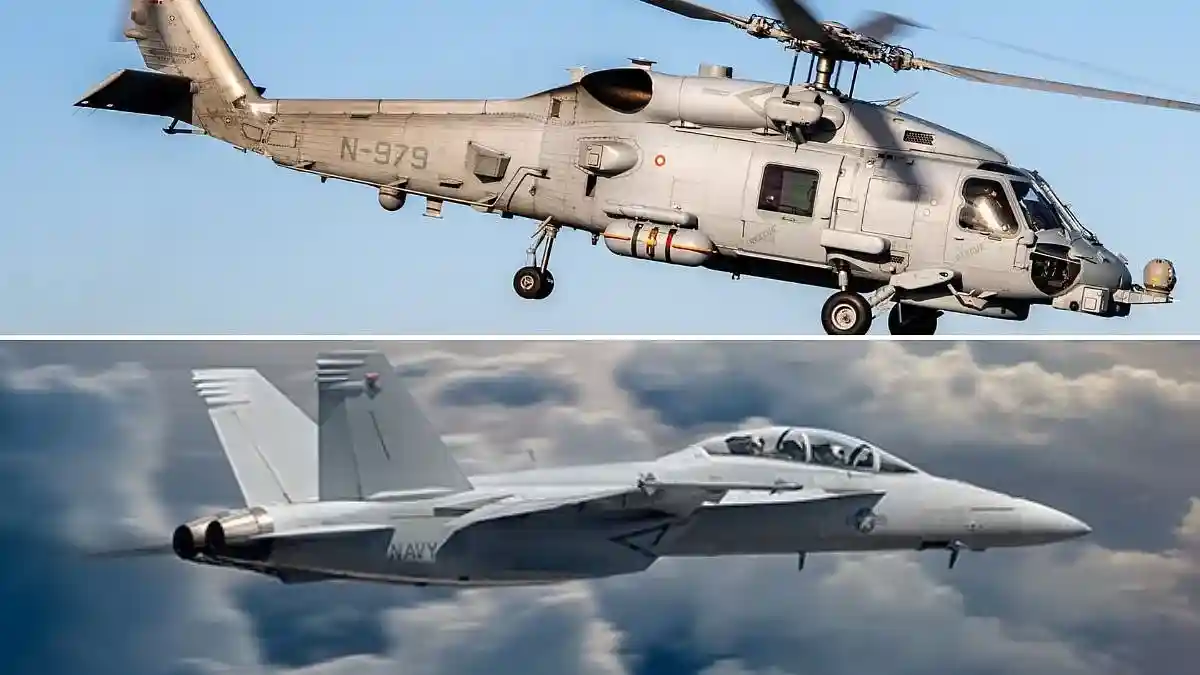
In a dramatic turn of events in the South China Sea, two powerful pillars of American naval aviation — the F/A-18F Super Hornet and MH-60R Sea Hawk — were lost in separate but near-simultaneous crashes on October 26, 2025. Miraculously, all crew members from both incidents were safely rescued, thanks to swift action by Carrier Strike Group 11 operating from the USS Nimitz. These back-to-back accidents, happening within just 30 minutes of each other, have sparked global attention amid growing military tension in the region.
A Double Blow to Naval Aviation
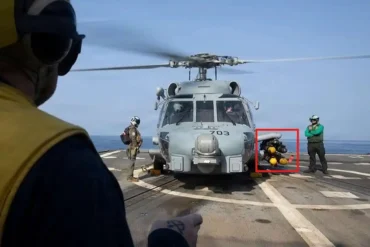
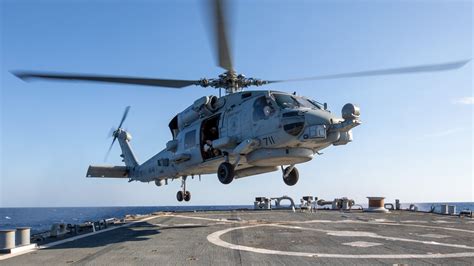
According to the U.S. Navy’s Pacific Fleet, the first incident unfolded around 2:45 p.m. local time when an MH-60R Sea Hawk helicopter, attached to the “Battle Cats” of Helicopter Maritime Strike Squadron (HSM) 73, went down during routine operations.
The helicopter plunged into the waters off the USS Nimitz during a standard mission. All three crew members were rescued uninjured, highlighting both the efficiency of naval emergency protocols and the readiness of onboard recovery teams.
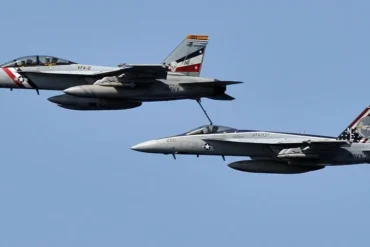
Barely 30 minutes later, at approximately 3:15 p.m., disaster struck again. An F/A-18F Super Hornet, assigned to the “Fighting Redcocks” of Strike Fighter Squadron (VFA) 22, also crashed into the sea under similar operational circumstances.
Both aviators aboard the twin-seat fighter jet successfully ejected and were recovered by nearby rescue teams. The Navy confirmed all personnel are in stable condition, pending further medical evaluations.
Strategic Context: Routine Operations in a Tense Region
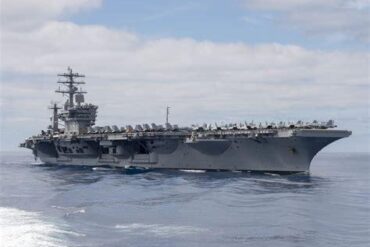
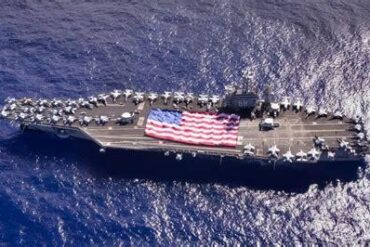
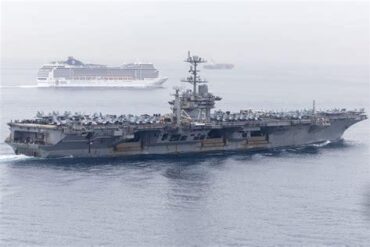
These incidents occurred during ongoing carrier-based flight operations aboard the USS Nimitz, a supercarrier known for leading U.S. naval power projection across the Indo-Pacific. The presence of both the MH-60R and the Super Hornet is integral to maintaining maritime dominance, anti-submarine surveillance, and air superiority.
Though both crashes are currently under formal investigation, initial reports suggest no hostile activity or foul play. Still, the timing and location are hard to ignore.
Political and Military Backdrop: Tensions Run High
The dual crashes coincide with President Donald Trump’s second-term Asia visit, and the start of Defense Secretary Pete Hegseth’s multi-nation tour. The confluence of these high-level diplomatic missions with simultaneous aircraft losses could not come at a more delicate time.
The South China Sea remains one of the most hotly contested maritime zones in the world. With ongoing territorial disputes involving China, the Philippines, Vietnam, and others, the presence of U.S. Navy strike groups continues to serve as both a stabilizing force and a geopolitical flashpoint.
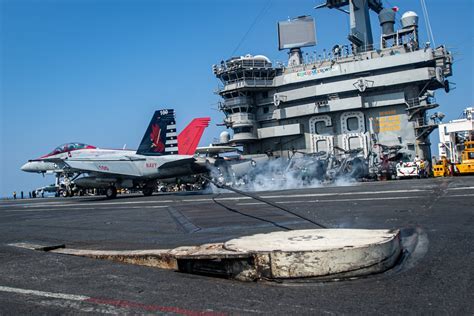
These incidents are reminiscent of earlier setbacks. In May 2025, a separate F/A-18 Super Hornet from the USS Harry S. Truman was also lost in the Red Sea. In that case, both the pilot and weapons officer survived and were pulled to safety by an MH-60 Seahawk from squadron HSC-11.
The recurrence of such mishaps raises serious questions about maintenance cycles, pilot fatigue, and operational risk amid high-tempo deployments.
Aircraft Profiles: The Beasts of the Carrier Fleet
The F/A-18F Super Hornet
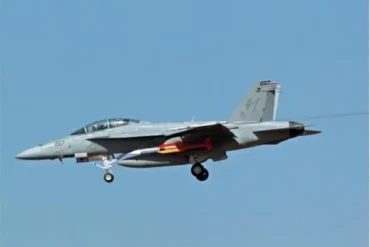
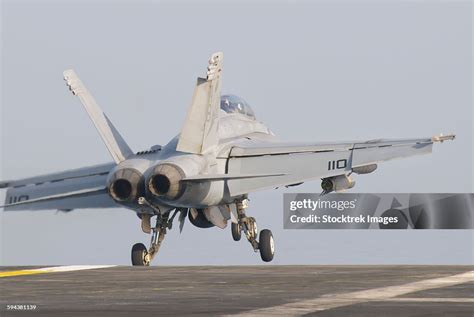
The Boeing F/A-18F Super Hornet is a twin-engine, multirole combat jet, capable of supersonic speeds, beyond-visual-range air combat, and precision strike missions. Deployed from U.S. Navy aircraft carriers, it carries a lethal mix of AIM-120 AMRAAM, AGM-88 HARM, and JDAM smart bombs.
Key specifications:
- Top Speed: Mach 1.8
- Combat Radius: 390 nautical miles
- Armament: Up to 17,750 lbs of ordnance
- Crew: 2 (Pilot and Weapons Systems Officer)
Its versatility has made it the backbone of the Navy’s strike capability since the early 2000s. Famously featured in Top Gun: Maverick, it continues to dominate both training scenarios and real-world missions across the globe.
The MH-60R Sea Hawk
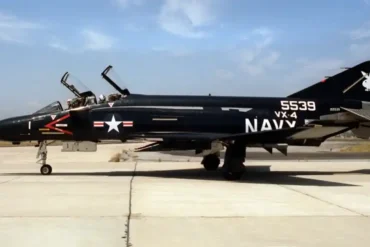
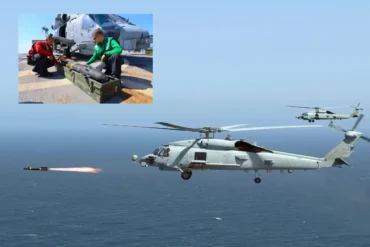
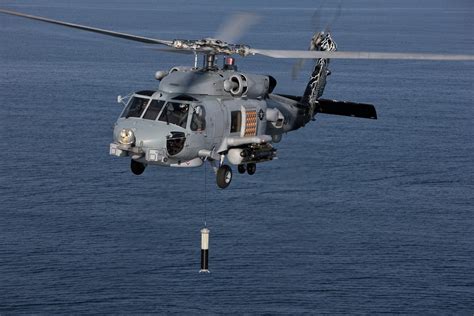
Nicknamed the “Romeo,” the MH-60R Sea Hawk is a next-generation maritime helicopter designed for anti-submarine warfare (ASW), surface warfare, and search-and-rescue missions.
Key capabilities include:
- Dipping sonar (AN/AQS-22)
- Hellfire missile launch capabilities
- Sonobuoy deployment
- Advanced radar and forward-looking infrared (FLIR) systems
The MH-60R has achieved the highest mission-capable rates among all maritime helicopters in the U.S. Navy since achieving full operational capability in 2010.
Escalating Caribbean Tensions Add Global Pressure
While U.S. naval focus remains on the Indo-Pacific, another regional crisis is unfolding. On the very same day of the South China Sea crashes, the USS Gravely, a guided-missile destroyer, docked in Trinidad and Tobago for joint exercises with local forces.
This docking drew sharp condemnation from Venezuela, which accused the U.S. of a “military provocation” in coordination with the CIA. The Maduro government claimed to have captured U.S.-linked mercenaries, alleging a potential false flag operation designed to escalate into full-blown conflict.
The deployment of the USS Gerald R. Ford, the world’s largest aircraft carrier, to the region further complicates the situation. U.S. forces reportedly destroyed 10 boats suspected of drug trafficking, resulting in 43 deaths since September. Venezuela’s fears of a broader invasion have grown louder, with Washington rejecting Maduro’s re-election and tightening sanctions on regional allies like Colombia’s Gustavo Petro.
Operational Risk vs. Strategic Projection
The South China Sea aircraft losses are not isolated incidents, nor are they simply training mishaps. They represent the growing tension between operational tempo and strategic necessity. As the U.S. projects power across two volatile regions — East Asia and the Caribbean — its military assets are stretched thin.
Carrier-based aircraft, especially high-performance systems like the Super Hornet and Sea Hawk, require intensive maintenance, precise coordination, and pilot proficiency. Even slight miscalculations or equipment issues during routine operations in open seas can lead to catastrophic results.
Yet these aircraft remain irreplaceable assets in the Navy’s global playbook. Their presence signifies more than hardware — they symbolize American reach, deterrence, and influence.
Investigations Underway: Questions That Must Be Answered
The U.S. Navy has launched dual investigations to determine the root causes of both crashes. Key aspects under scrutiny include:
- Mechanical or systems failures
- Pilot error or communication breakdowns
- Adverse weather conditions or environmental hazards
- Maintenance records and prior flight hours
As these inquiries unfold, there will be intense focus from both military analysts and strategic rivals. Any signs of systemic issues could impact future deployments or lead to temporary grounding of similar aircraft squadrons.
Implications for U.S. Military Doctrine
In an era of great power competition, these incidents are more than operational footnotes. They reinforce the challenges of sustaining forward presence in multiple theaters, while adapting to unpredictable flashpoints.
The dual crashes illustrate the risks the U.S. takes to deter aggression, reassure allies, and protect international maritime routes. The professionalism of the crews and the flawless rescue efforts prevented loss of life — but they also underscore the high human stakes in every sortie.
As the Navy reviews these events, one message is clear: resilience and readiness must remain paramount.
Final Thoughts
While the safe recovery of all crew members is a relief, the events of October 26, 2025, will have lasting reverberations across the U.S. Navy and its global posture. From the turbulent waters of the South China Sea to the tense currents of the Caribbean, American sea power is being tested like never before.
Every aircraft launched, every operation executed, and every crisis managed becomes part of a broader strategic chessboard. And in this game, where aircraft carriers serve as floating fortresses, and aviation squadrons act as first responders, the margin for error is razor thin — but the consequences are monumental.