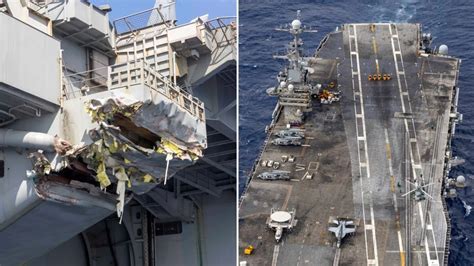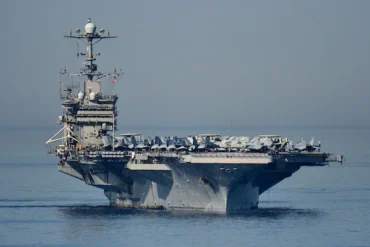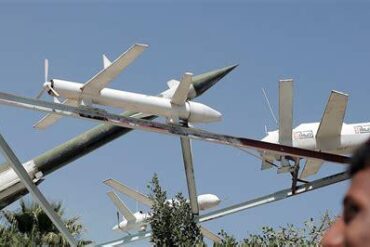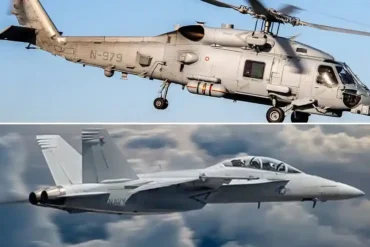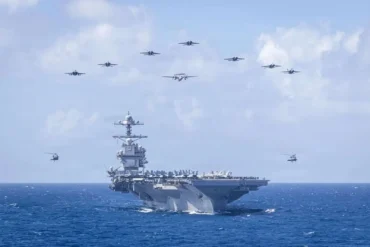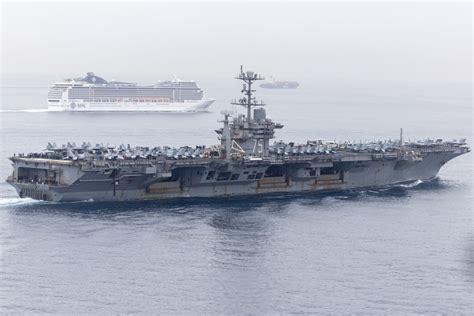
The USS Harry S. Truman, one of the most formidable aircraft carriers in the United States Navy, has lost a second F/A-18 Super Hornet in just over a week. This incident, which unfolded in the volatile Red Sea theater, adds another chapter to a troubling pattern of operational mishaps, rising geopolitical tensions, and questions over command and carrier readiness.
The Incident: A Catastrophic Arrestment Failure
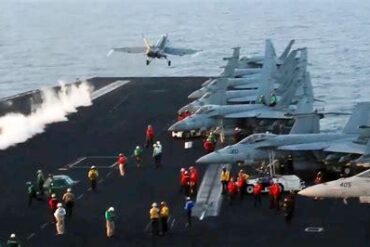
According to individuals with direct knowledge of the matter, the most recent loss occurred during a routine carrier landing operation. The F/A-18F Super Hornet, a twin-seat, twin-engine strike fighter, experienced a critical arrestment failure as it attempted to land on the Truman’s deck. Both the pilot and weapons systems officer were forced to eject during the botched recovery.
They were swiftly retrieved from the sea by a nearby rescue helicopter, sustaining only minor injuries. However, the aircraft itself plunged into the Red Sea and remains unrecovered. The US Navy has not yet released an official statement, and an investigation is currently underway to determine the cause of the mishap.
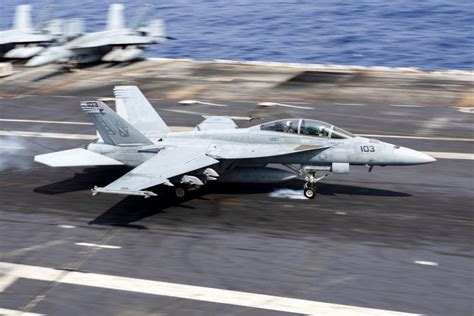
This marks the second F/A-18 from the Truman to be lost in rapid succession, both under murky circumstances. The timing of these incidents is made more critical by escalating hostilities in the Red Sea region, particularly the threat posed by Iran-backed Houthi rebels.
Escalating Hostilities with the Houthi Rebels
The Truman’s recent operational hazards cannot be viewed in isolation from the broader security crisis in the Red Sea. Multiple sources have confirmed that just hours before the latest jet loss, the Houthi movement “took a shot” at the Truman, despite a ceasefire having been publicly declared earlier by the Trump administration.
It is not yet clear whether this attack attempt played a direct role in the jet’s loss. However, the timing has intensified scrutiny over the Truman’s deployment strategy and defense posture. The Red Sea has become a hotbed of missile and drone assaults since the Houthis began targeting international shipping routes in late 2023.
The First Incident: A Precedent of Tactical Chaos
Just one week prior, another F/A-18 jet was lost after the Truman executed a hard evasive maneuver to avoid enemy fire. That incident also resulted in the aircraft falling overboard, although the crew was rescued. Preliminary reports indicate the carrier’s response to Houthi missile fire triggered the chain of events leading to that loss.
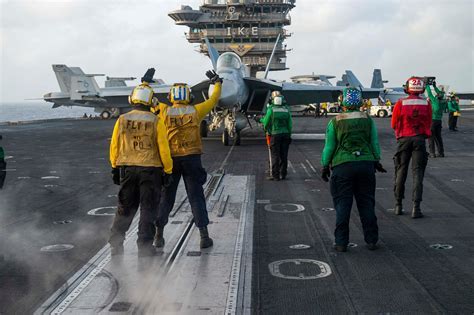
The United States Navy has neither confirmed nor denied whether similar defensive measures were taken during the second incident, but patterns suggest an increasingly volatile operating environment for US carriers in the region.
High-Value Assets at Risk
Each F/A-18 Super Hornet represents a significant material and tactical loss. With an estimated unit cost exceeding $60 million, these jets are more than just advanced weapons platforms—they are the backbone of the Navy’s air superiority and strike capabilities.
The dual loss in such a short span not only represents an enormous financial setback but also a potential compromise in combat readiness. The Super Hornet is central to the Navy’s force projection, capable of air-to-air combat, precision strikes, electronic warfare, and reconnaissance missions.
Cumulative Command Failures on the Truman
This string of aviation accidents is not isolated. The USS Harry S. Truman has faced an unnerving series of mishaps over the past year, prompting questions about command integrity and carrier-wide safety protocols.
- In December 2023, an F/A-18 was mistakenly fired upon by the cruiser USS Gettysburg while operating in coordination with the Truman. That jet was also lost to the sea. Both aviators survived.
- In February 2024, the Truman was involved in a collision with a merchant vessel near Egypt while transiting the Mediterranean. The incident resulted in the removal of commanding officer Captain Dave Snowden, replaced shortly after by Captain Christopher Hill.
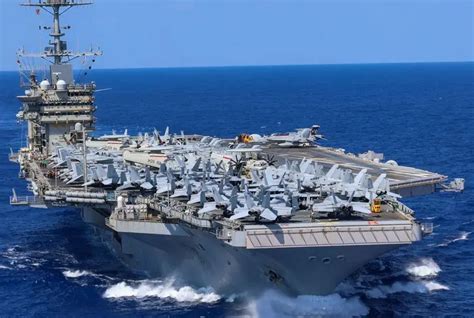
This litany of accidents—ranging from friendly fire to collision at sea, followed by multiple lost aircraft—paints a picture of a carrier group struggling to maintain operational discipline under sustained pressure.
Strategic Significance of the Red Sea Theater
The Red Sea is no longer just a critical commercial shipping lane; it has become a contested military flashpoint. With the Houthis consistently launching missiles and drones at naval and commercial targets, and given the group’s strong backing from Iran, the Truman’s presence represents both deterrence and risk.
In early 2024, a US destroyer in the area was forced to engage a Houthi cruise missile using its Phalanx Close-In Weapon System (CIWS) — a last-resort, point-defense system — when the missile came within a mile of impact. Such proximity underscores the imminent threat these deployments face.
As of now, the Navy and US Central Command (CENTCOM) have withheld detailed comment, possibly due to the ongoing investigations and the sensitive nature of operations in a region rife with proxy conflict.
Tactical Readiness and the Cost of Deployment Fatigue
What emerges from this series of incidents is a picture of deployment fatigue, possibly coupled with procedural lapses. Carriers like the Truman operate under intense schedules, maintaining constant sortie rates, engaging in combat air patrols, and ensuring readiness for strike missions—all while under the threat of enemy fire.
Repeated losses within the air wing could signal breakdowns in landing systems, crew coordination, or even more concerning systemic issues in maintenance or training protocols. The Navy’s post-incident reviews may result in wider assessments of deck safety standards, arresting gear systems, and ejection response coordination.
If systemic causes are confirmed, these findings may have ripple effects across the fleet, requiring immediate revisions to carrier flight procedures, additional pilot training, or even temporary drawdown in sortie operations.
Political Reverberations and Public Scrutiny
The political consequences of these losses cannot be underestimated. The cost of losing two Super Hornets and the associated risks to American lives will undoubtedly draw congressional attention. The Navy, already under scrutiny for retention issues and fleet modernization delays, must now explain how operational excellence faltered so visibly.
Moreover, the Trump administration’s ceasefire announcement with the Houthis—followed within hours by renewed hostilities—has exposed a gap between political signaling and battlefield realities. This could deepen debates in Washington about rules of engagement, regional alliances, and force protection protocols.
Looking Ahead: Reassessing Risk and Readiness
As the Truman continues its mission, the loss of yet another Super Hornet serves as a grim reminder of the perils of high-tempo carrier operations in hostile waters. The Navy must now confront dual imperatives: maintaining combat presence in a critical region, while also ensuring that no further lives or assets are lost due to operational breakdowns.
The ongoing investigations will hopefully provide clarity and direction. Until then, the Truman’s deployments in the Red Sea will remain under intense scrutiny—both from within the military and the watchful eyes of the public and global adversaries alike.