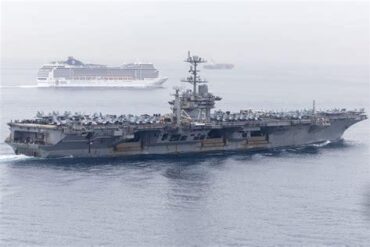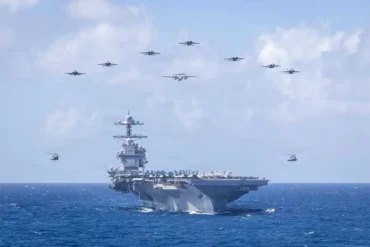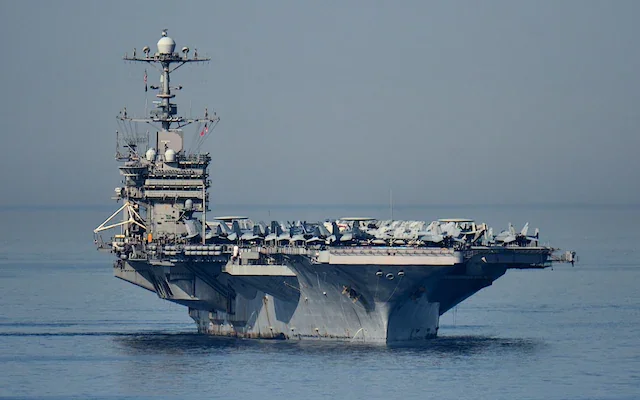
In an incident that underscores the high-stakes nature of modern naval operations, a $60 million F/A-18 Super Hornet was inadvertently dumped into the Red Sea from the deck of the USS Harry S. Truman in April 2025. The incident, which occurred during an evasive maneuver amid rising regional tensions, has raised pressing concerns about operational readiness, inter-crew communication, and equipment reliability aboard one of the Navy’s most prominent aircraft carriers.
The Chain Reaction: A Costly Cascade of Failures
The loss of the Super Hornet was not a result of a single catastrophic error, but rather a series of mechanical issues, miscommunication, and environmental pressures. The Truman was operating in the Red Sea as part of a strategic deterrent mission against Iran-backed Houthi rebel threats to international shipping lanes. During one of these patrols, a Houthi-fired missile targeted the carrier, prompting the bridge to initiate an emergency evasive maneuver.
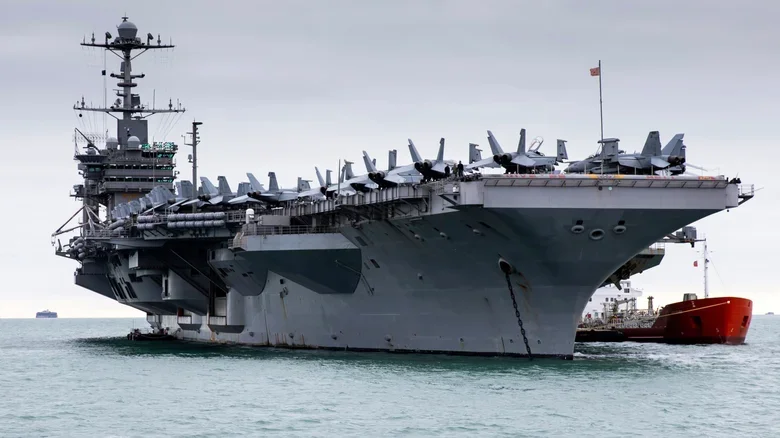
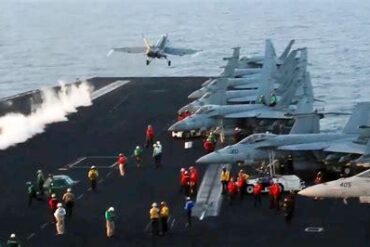
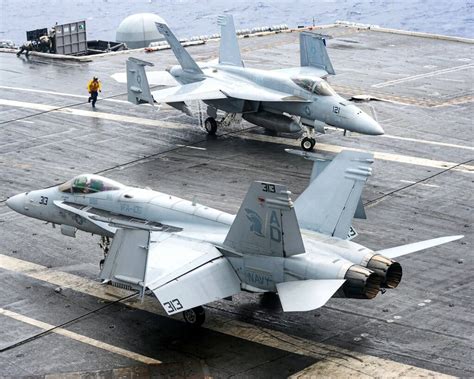
This sudden, sharp turn was meant to avoid impact. An announcement warning all personnel of the maneuver was made, but critically, the flight deck crew responsible for repositioning the Super Hornet did not hear the alert. At the time, the fighter jet was being moved into launch position using a tow vehicle. The chocks had already been removed from its wheels, and the aircraft was relying solely on its parking brakes.
Unfortunately, those brakes proved insufficient. As the Truman listed through the high-speed turn, gravity took control. The jet began to slide toward the edge of the hangar deck. A last-second call to abandon the jet was made, and while the crew narrowly escaped, the F/A-18 plummeted into the sea, dragging the tow tractor with it. One sailor sustained minor injuries.
Brakes, Deck Conditions, and Communication: The Culprits
The Navy’s investigation revealed an unsettling reality: the Super Hornet’s braking system was not robust enough to keep it stationary during a sharp maneuver. But the failure extended beyond faulty hardware. Communication between the bridge and hangar deck crew had broken down, leaving those handling the jet completely unaware of what was about to unfold.
Further compounding the issue was the state of the hangar deck’s surface. Investigators pointed out that the non-skid coating—critical in preventing equipment and personnel from sliding—had not been replaced since 2018. A surface that should have been friction-resistant became a literal slipway under stress.
These findings paint a picture of a vessel straining under operational fatigue, where routine maintenance and critical safety protocols had been deferred or neglected amid sustained deployment.
A Troubled Year for the Truman
This wasn’t an isolated black mark on the USS Truman’s recent service record. The loss of the $60 million jet was part of a series of costly and dangerous mishaps:
- In December 2024, one of the carrier’s Super Hornets was mistakenly shot down by a U.S. Navy missile cruiser during a joint operation. Thankfully, both pilots ejected safely.
- In February 2025, the Truman collided with a merchant vessel while operating in the Mediterranean. Although no lives were lost, the damage required extensive repair work that had still not been completed months later.
- In May 2025, another F/A-18 was lost during landing due to an arresting cable failure, further highlighting the stress on the carrier’s flight systems.
In total, nearly $180 million in aircraft losses were recorded in under six months. While no deaths were reported, the pattern of errors and systemic issues raises questions about oversight, training, and the readiness of naval aviation assets under prolonged deployment.
Operational Strain and Human Limits
Carrier operations remain some of the most complex and dangerous in military aviation. Crews must operate under tight schedules, high stakes, and often intense environmental conditions. The Red Sea, with its constrained shipping lanes and persistent threat environment, adds yet another layer of stress to every maneuver and mission.
Still, the expectation is that the systems—mechanical and human—are resilient enough to handle such stress. This series of failures aboard the Truman points instead to a need for urgent reform, from maintenance protocols to crew communication training.
Accountability and the Road Ahead
The Navy’s final report, while detailed, stops short of assigning individual blame. The focus instead has shifted to systemic change. Officials have already begun inspections across the carrier fleet to assess brake integrity, improve communication channels, and fast-track hangar deck resurfacing where needed.
The Truman’s command structure has reportedly undergone a reshuffling, though the Navy has not publicly confirmed disciplinary action. A Pentagon spokesperson emphasized the importance of lessons learned, stating, “This was a wake-up call. We’re implementing structural and procedural safeguards to ensure this doesn’t happen again.”
Conclusion: A Jet Lost, But Lessons Gained
The $60 million price tag of the F/A-18 is a sobering figure, but the larger cost lies in the erosion of confidence in the Navy’s ability to safeguard its own high-tech assets. As global threats escalate and naval deployments grow longer, the demand for flawless coordination, rigorous maintenance, and robust systems is more critical than ever.
The USS Harry S. Truman’s recent string of incidents should not just be seen as isolated events but as indicators of broader challenges facing modern naval operations. If the U.S. Navy is to maintain superiority at sea, especially in volatile regions, it must ensure that the aircraft it sends to protect freedom of navigation aren’t lost to avoidable mistakes and oversights.