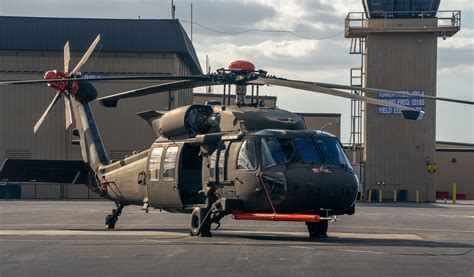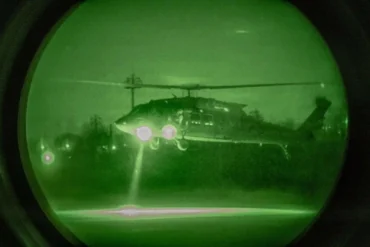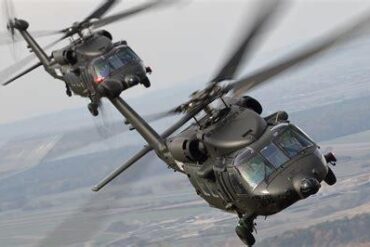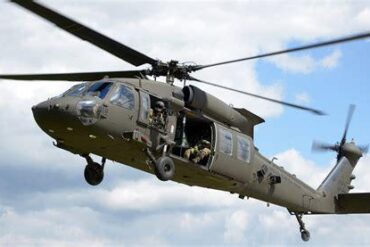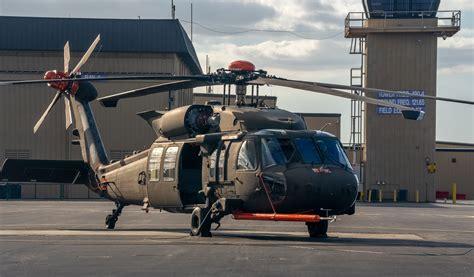
The U.S. Army has taken a bold strategic step to ensure the enduring legacy of its most iconic utility helicopter. On December 19, 2025, the Army issued a formal Request for Information (RFI) to U.S. industry leaders, inviting innovative solutions to sustain and modernize the UH-60M Black Hawk beyond 2050. This unprecedented initiative underscores the Army’s vision of preserving the Black Hawk’s operational relevance for nearly half a century past its introduction.
UH-60M Black Hawk: A Backbone of U.S. Army Aviation
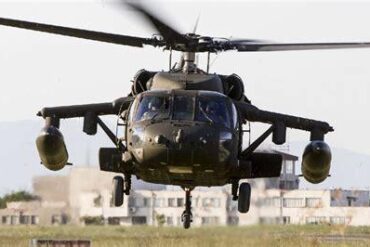
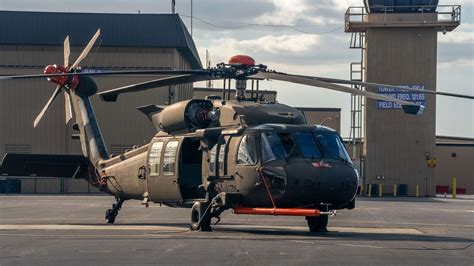
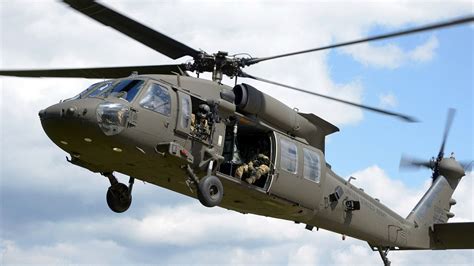
Since its production debut in 2006, the UH-60M Black Hawk has been the mainstay of U.S. Army aviation. With its origins in the original UH-60A introduced in the late 1970s, the UH-60M represents a significant leap in endurance, safety, and mission adaptability. It retains the signature four-blade main and tail rotor configuration but incorporates enhanced structural components to reduce fatigue and resist corrosion from intense operational cycles.
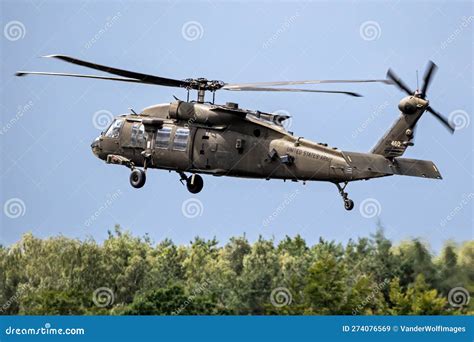
The UH-60M’s design allows it to transport up to 11 fully equipped troops, carry internal payloads of around 1,200 kg, and sling external loads of over 4,100 kg. Its General Electric T700-GE-701D turboshaft engines, each delivering roughly 2,000 shp, ensure the aircraft’s readiness for a wide array of missions. Key airframe advancements include wide-chord composite rotor blades, crashworthy seating, and energy-absorbing landing gear, coupled with redundant systems for survivability under fire.
With over 15 million flight hours amassed by the Black Hawk family, the UH-60M remains at the center of missions ranging from combat to disaster relief, homeland security, and tactical logistics.
Strategic Vision: A Sustainment Model for the 21st Century
The RFI paints a long-term roadmap for not merely maintaining, but continuously upgrading the UH-60M to meet evolving threats and mission requirements. The Army’s ask is both expansive and precise: solutions must ensure the helicopter remains affordable, operationally ready, and technologically relevant into the 2050s and beyond.
Unlike a traditional upgrade program, this initiative emphasizes a repeatable and scalable sustainment model. The Army expects U.S. industry to provide a process that can blend modernization and overhaul, manage costs across years of contracts, and maintain a steady induction and return flow of aircraft to frontline units.
Companies must demonstrate:
- Technical competence and deep understanding of the Black Hawk platform
- Ability to scale production throughput without degrading quality
- Mechanisms to introduce new technologies without compromising availability
- Experience in supporting multi-national fleets through Foreign Military Sales (FMS) and U.S. agency partnerships
The estimated sustainment volume could reach 12 to 24 helicopters per company per year, encompassing both UH-60M and HH-60M units. With potential expansion to allied nations and other government operators, the model must be resilient and globally interoperable.
Integrating Advanced Technologies Without Compromising Readiness
One of the Army’s clearest directives in the RFI is that modernization must enhance capability without jeopardizing maintainability. Emphasizing that upgrades only matter if the aircraft can still be fixed and deployed, the Army seeks seamless integration of:
- Autonomy and artificial intelligence (AI)
- Launched effects like drones and sensors
- Advanced health monitoring systems
This is not a one-time overhaul. The Army envisions a continuous transformation model, where new capabilities are phased in without impacting operational planning. Thus, any proposed upgrade path must ensure parts availability, preserve aircraft health, and support consistent maintenance timelines.
Deep Component Sustainment: A Technical Overview
The sustainment scope is comprehensive. Core components such as the engine, main transmission, swashplate, primary servo assembly, and hydraulic systems are included in the overhaul plan. The airframe, meanwhile, requires complete disassembly and thorough inspections for damage, fatigue, and corrosion.
Procedures involve:
- Structural inspections from cockpit to tail rotor pylon
- Corrosion prevention treatments, repainting, and realignment
- Records review, defueling, and paint stripping
- Reassembly followed by rigorous power-on checks, maintenance test flights, and quality control audits
Specific repairs include the replacement of structural elements such as the 10.65 LBL beam and fuselage station frames 320 and 379, ensuring long-term airworthiness even in the most fatigue-prone sections of the fuselage.
Expanding the Fleet Sustainment Ecosystem
The Army’s framework allows for broader participation beyond its own aviation needs. The RFI suggests that U.S. Navy, U.S. government agencies, and international allies could tap into the same modernization and sustainment pipeline. With dozens of countries including Sweden, South Korea, Brazil, Qatar, Greece, Japan, and Mexico operating UH-60 variants, the opportunity for scale is significant.
The RFI encourages foreign partners to integrate into this system through channels such as FMS and BEST (Building Partner Capacity Security Cooperation) initiatives. This joint sustainment ecosystem would ensure a common technical baseline across nations, facilitating interoperability and reducing redundant logistical trails.
Future-Proofing the Black Hawk Legacy
The longevity of the UH-60M program hinges on a careful balance of heritage and innovation. The Black Hawk is far more than just a transport aircraft — it is a battle-tested symbol of operational trust across air assault, MEDEVAC, reconnaissance, and support missions.
Its survival beyond 2050 will rest on:
- Agile industrial partnerships capable of adapting to global and battlefield needs
- Lifecycle management strategies that ensure sustainable funding and production continuity
- Technological evolution that does not outpace field maintainers or burden the logistics tail
The U.S. Army’s RFI is not merely a request for helicopter maintenance; it is a challenge to industry to redefine sustainment and modernization as a single, dynamic continuum. By keeping the Black Hawk flying into the latter half of the 21st century, the Army reinforces its commitment to readiness, resilience, and combat-tested reliability.