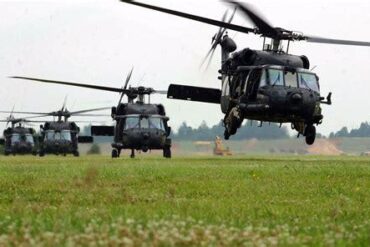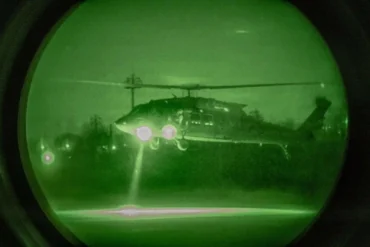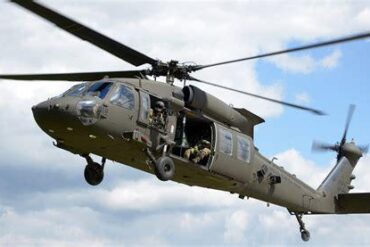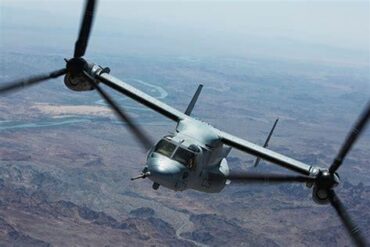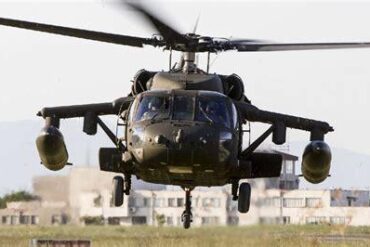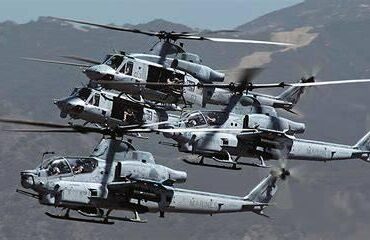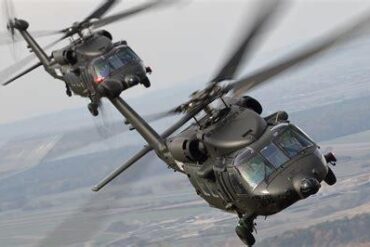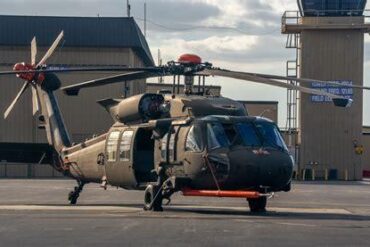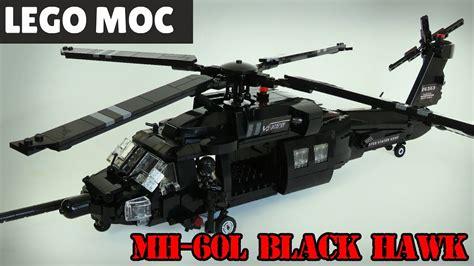
Few aircraft evoke as much global recognition, tactical significance, and battlefield prestige as the Black Hawk helicopter. Synonymous with rapid troop deployments, critical resupply missions, and medical evacuations under hostile fire, the Black Hawk has become an indispensable pillar of modern military aviation for the United States and its allies. Behind its unmistakable silhouette and reputation lies a century-old legacy of aerospace innovation driven by Sikorsky Aviation, the historic manufacturer responsible for this combat workhorse.
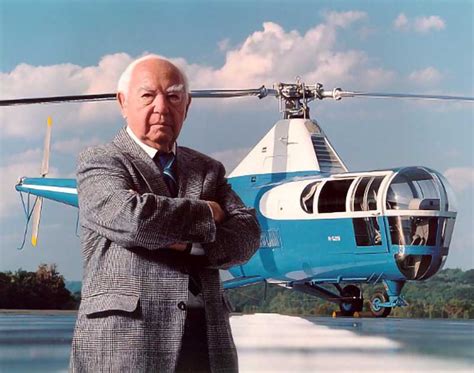
Founded by the visionary engineer Igor Sikorsky, the company has roots that stretch back to 1923 when Sikorsky established the Sikorsky Aero Engineering Corporation. Born in 1889 in what is today Kyiv, Ukraine, Igor Sikorsky immigrated to the United States in 1919, driven by a desire to transform vertical flight. His company, later renamed Sikorsky Aviation in 1928, would go on to achieve historic milestones, including producing the R-4, the world’s first mass-produced helicopter and the first rotorcraft adopted by the U.S. military.
Sikorsky’s influence on aviation was monumental, but perhaps no product exemplifies that legacy better than the UH-60 Black Hawk, a helicopter that entered military service in 1979 and has since become a battlefield icon. Originally conceived in 1972 to replace the UH-1 Iroquois “Huey” helicopter, which dominated the Vietnam War era, the Black Hawk represents the next evolutionary step in rotary-wing military aviation.
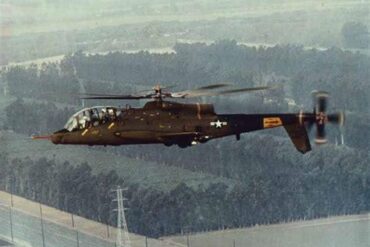
By 1974, the first Black Hawk prototype took flight, signaling Sikorsky’s ambition to deliver a helicopter that could meet the rigorous demands of modern combat. Just two years later, Sikorsky secured the contract to supply the U.S. Army with its next-generation utility helicopter, marking the beginning of the Black Hawk’s production journey.
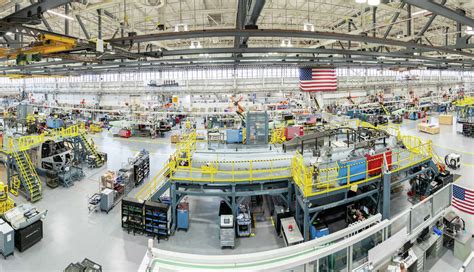
The Black Hawk is primarily assembled at Sikorsky Aviation’s main plant in Stratford, Connecticut, a facility that not only produces these helicopters but also manufactures the CH-53K King Stallion, a heavy-lift cargo helicopter designed for the U.S. Marine Corps. Following Sikorsky’s acquisition by aerospace and defense giant Lockheed Martin in 2015—a deal valued at $9 billion—production has remained firmly rooted in the U.S., with Stratford standing as the operational heart of Black Hawk manufacturing.
Beyond the borders of the United States, the Black Hawk’s global influence is evident through licensed production agreements that extend its reach. Notably, between 1991 and 1999, a localized variant of the Black Hawk, the UH-60P, was manufactured in South Korea to bolster the Republic of Korea Army’s rotary-wing capabilities. Today, Poland serves as another crucial manufacturing hub for Black Hawk helicopters, where PZL Mielec, a Lockheed Martin-owned facility, produces the S-70i Black Hawk, a modern variant exported to U.S. allies and partner nations.
The Black Hawk’s evolution is marked by continuous adaptation to meet the multifaceted challenges of military operations. The original UH-60A Black Hawk, powered by twin General Electric turboshaft engines, could achieve speeds of up to 159 knots (183 mph) and transport up to 11 fully equipped soldiers to the front lines, providing the agility and rapid deployment capability essential for modern combat.
The helicopter saw its first operational use during Operation Urgent Fury in Grenada and quickly established its reputation for reliability and versatility. It later played a decisive role in the 1989 U.S. invasion of Panama and demonstrated its strategic importance during Operation Desert Storm, participating in one of the largest air combat assaults in U.S. Army history during the Gulf War.
As warfare evolved, so too did the Black Hawk. Its adaptability has spawned multiple specialized variants, tailored for distinct mission profiles:
- The EH-60A, an airborne electronic warfare platform designed to disrupt enemy communications.
- The SH-60 Seahawk, optimized for maritime operations, including anti-submarine warfare, search and rescue, and surveillance missions.
- The HH-60W “Jolly Green II”, developed for personnel recovery and combat search-and-rescue missions under hostile conditions.
- The MH-60R Seahawk, a sophisticated naval variant equipped with cutting-edge sensors for surface and sub-surface warfare.
In 1989, Sikorsky introduced the UH-60L, an upgraded Black Hawk model featuring improved avionics, a more robust transmission system, and enhanced engine performance. This evolution paved the way for today’s fleet, which includes the state-of-the-art UH-60M Black Hawk, boasting advanced digital cockpits, more powerful engines, and increased lift capacity, all designed to maintain superiority in complex, high-threat environments.
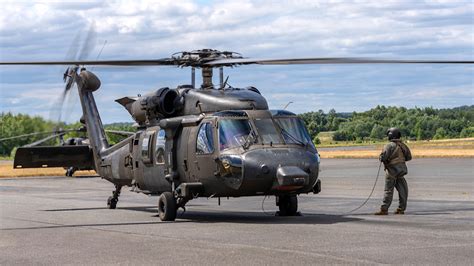
The Black Hawk’s longevity is a testament to its rugged design and operational flexibility, with thousands of units deployed worldwide across various military branches and allied forces. Countries beyond the U.S., including Australia, Poland, South Korea, Colombia, and Thailand, operate Black Hawk helicopters tailored to their specific defense requirements.
The Stratford plant remains a symbol of American aerospace manufacturing excellence, employing highly skilled engineers, technicians, and assembly workers dedicated to delivering helicopters that meet the highest standards of reliability, survivability, and performance. The facility integrates cutting-edge materials, such as advanced composites and corrosion-resistant alloys, ensuring each helicopter can withstand the harshest operational environments.
The significance of Black Hawk helicopters extends beyond troop transport and combat roles. They also perform life-saving missions, including medical evacuations, humanitarian aid delivery, disaster relief, and firefighting operations, underscoring their irreplaceable role in both military and civilian contexts.
While Sikorsky continues to produce new Black Hawk variants, the future of vertical lift is already in development through initiatives like the Future Long-Range Assault Aircraft (FLRAA) program, in which Sikorsky and Lockheed Martin are active participants. Nevertheless, the Black Hawk is expected to remain a central component of U.S. military aviation for decades, thanks to its proven battlefield record and continued modernization.
The story of the Black Hawk helicopter is inseparable from the legacy of Igor Sikorsky, a pioneer who transformed the possibilities of rotary flight. From its Stratford assembly lines to distant combat zones across the globe, the Black Hawk embodies the union of technological innovation, military necessity, and the enduring spirit of American aerospace engineering.