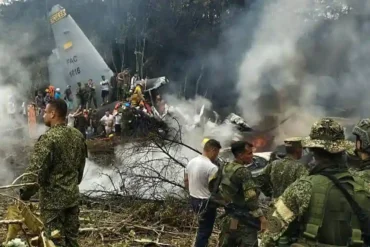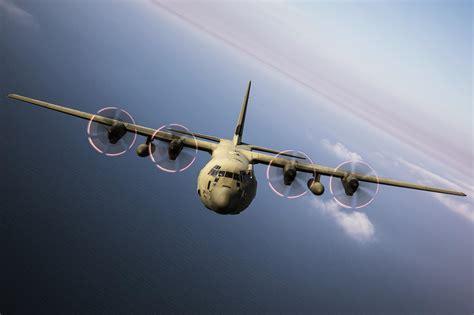
The C-130 Hercules remains one of the most iconic and reliable military transport aircraft in aviation history. Built by Lockheed Martin, this multi-role tactical airlifter has stood the test of time, adapting to shifting global demands since its debut in the 1950s. Few aircraft can boast such longevity, and even fewer can claim to still be in frontline service in more than 70 countries nearly seven decades later.
The Manufacturer: Lockheed Martin’s Legacy in Marietta
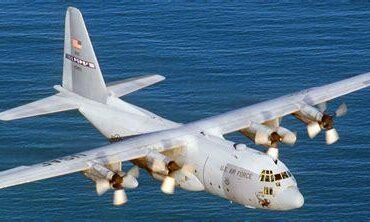
The C-130’s roots trace back to 1956, when Lockheed (now Lockheed Martin) rolled the first Hercules off the production line in Marietta, Georgia. Since then, over 2,600 units have been produced, making it the longest continuously produced military cargo aircraft in history. Lockheed Martin, headquartered in Bethesda, Maryland, remains the exclusive manufacturer, producing approximately 20 new C-130J Super Hercules aircraft annually. The current production line is still located in Marietta, where generations of aerospace engineers and technicians continue to refine and evolve the airframe.
Lockheed Martin’s focus has never been on merely extending the production timeline. The company has relentlessly modernized the aircraft, ensuring that it remains operationally relevant with each new variant. The most recent variant, the C-130J Super Hercules, reflects that evolution, equipped with upgraded Rolls-Royce AE 2100D3 turboprop engines, a glass cockpit, and digital avionics systems.
The Mission Evolution: More Than a Cargo Hauler
Although the C-130 was originally built to transport troops and equipment into combat zones, its design proved so rugged and adaptable that it quickly expanded far beyond its original purpose. Today, the Hercules performs an astonishing array of roles:
- Tactical airlift of troops and cargo
- Medical evacuation (MEDEVAC) missions
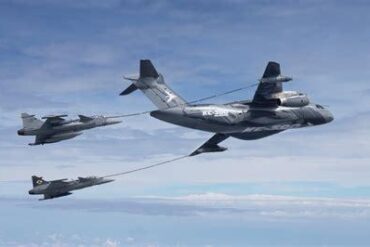
- Aerial refueling (KC-130 variants)
- Search and rescue (HC-130)
- Special operations and gunship support (AC-130 variants)
- Aerial firefighting with Modular Airborne Firefighting Systems (MAFFS)
- Humanitarian and disaster relief missions
- Scientific weather tracking, including hurricane hunting by NOAA
This operational diversity is unmatched, especially considering the aircraft’s capability to operate from short, unprepared, and austere runways, a feature that many modern cargo planes still struggle to replicate effectively.
Global Fleet Size: How Many C-130s Are Flying Today?
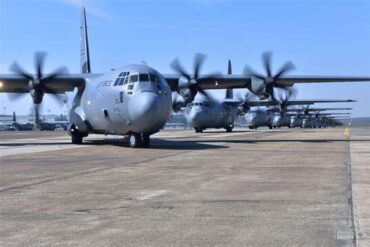
As of 2025, there are approximately 1,500 to 1,600 C-130 aircraft still in active service worldwide. The United States maintains the largest fleet by far, with more than 270 C-130s operated by the U.S. Air Force, and additional aircraft in use by the U.S. Marines, Navy, Coast Guard, and even NOAA.
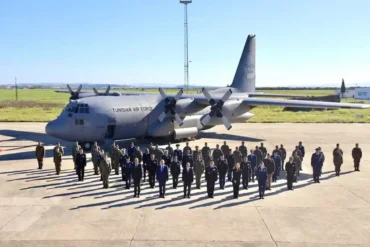
But the aircraft’s global reach is far more expansive. Over 70 countries operate variants of the Hercules, including:
- Australia, with a growing fleet of C-130J-30s for regional and tactical operations.
- United Kingdom, employing C-130Js as part of NATO readiness and rapid deployment forces.
- Canada, using the Hercules for Arctic logistics and search and rescue.
- India, which utilizes its fleet for difficult terrain missions in the Himalayas and remote border regions.
- Indonesia, for island-hopping logistical support and humanitarian aid.
- Egypt and Sweden, among the newest buyers of the C-130J variant.
In regions prone to natural disasters or with poor aviation infrastructure, the Hercules is not just valuable — it’s essential. Its ability to land on unpaved runways, carry heavy payloads, and endure extreme environments gives it unparalleled mission effectiveness.
Why Militaries Still Trust the Hercules Platform
The continued use and production of the C-130 boil down to a unique blend of features that no competitor has been able to comprehensively replace:
- Ruggedness and Reliability: Designed to endure punishing conditions, the Hercules excels where other aircraft fail. It can take off and land on dirt strips, ice runways, and damaged tarmacs.
- Cost-Effectiveness: The aircraft’s operating costs are relatively low compared to heavier transports like the C-17 Globemaster III. Maintenance crews are already trained globally, and parts are widely available.
- Scalability: Nations can upgrade their existing fleets instead of buying entirely new airframes. With engine retrofits, avionics modernization, and mission-specific kits, an older C-130 can be converted into a near-modern configuration.
- Multi-Mission Capability: Few aircraft are as modular. Whether as a gunship, aerial firefighter, or airborne command post, the C-130 adapts with relative ease.
- Interoperability: With so many NATO and allied nations flying the C-130, joint operations and logistical coordination are vastly simplified.
The Rise of the C-130J Super Hercules
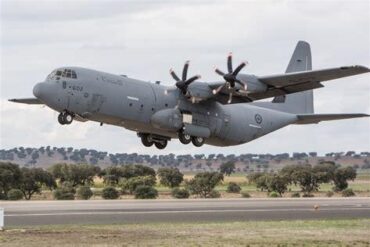
The most prominent symbol of the Hercules’ evolution is the C-130J Super Hercules. Introduced in the late 1990s and now the only variant in production, the C-130J represents a generational leap in performance, efficiency, and reliability.
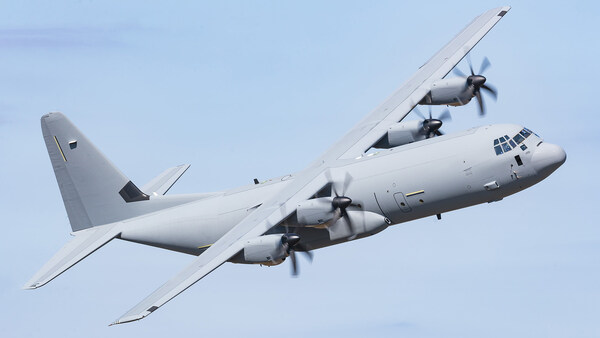
Key enhancements of the C-130J include:
- Rolls-Royce AE 2100D3 engines with 6-blade composite propellers
- Digital avionics and glass cockpit
- Reduced crew requirements from five to three
- Improved fuel efficiency and range
- Shorter takeoff and landing distances
- Automated maintenance diagnostics
These upgrades not only reduce long-term maintenance and fuel costs but also increase the Hercules’ mission readiness, particularly in high-tempo operational environments. Lockheed Martin continues to deliver approximately 20 new C-130J aircraft annually, serving customers like France, New Zealand, Indonesia, and Norway, among others.
Life Extension Through Upgrades
As global budgets tighten, many countries are opting to modernize their aging C-130s instead of purchasing brand-new airframes. Programs such as the Avionics Modernization Program (AMP) by the U.S. Air Force aim to retrofit older C-130Hs with new cockpit displays, navigation systems, and mission avionics.
Some militaries are combining structural reinforcements with Engine Enhancement Programs to extend service lives well into the 2030s and beyond. These upgrades preserve the airframe while delivering near-C-130J performance at a fraction of the acquisition cost.
Operational Highlights and Strategic Impact
The C-130 has played a starring role in numerous high-stakes missions across the decades:
- In Vietnam, it was used extensively for troop movement and medical evacuation under fire.
- During Operation Desert Storm, C-130s moved massive amounts of personnel and cargo across hostile regions.
- After the 2004 Indian Ocean tsunami, Hercules aircraft were among the first to deliver humanitarian aid to devastated coastal regions.
- In modern conflicts such as Syria and Afghanistan, the AC-130 gunship variants have provided critical close air support to ground troops.
These examples only scratch the surface of the C-130’s mission portfolio. Its versatility has made it indispensable in not only warfighting but also disaster response, scientific research, and counter-narcotics operations.
The Future of the Hercules Fleet
Looking ahead, the C-130 shows no signs of slowing down. The aircraft’s value lies in its adaptability and reliability, which align with the unpredictable nature of modern conflict and humanitarian demands. With Lockheed Martin continuing production and modernization programs expanding across NATO and beyond, the Hercules is positioned to remain airborne into the 2040s.
Countries that cannot afford or do not require large strategic airlifters like the C-5 Galaxy or A400M Atlas find the C-130 an ideal middle-ground solution. Its combination of tactical range, payload capacity, and low infrastructure requirements keeps it relevant in both conventional and asymmetric operations.
Conclusion: A Living Legend Still Soaring
The Lockheed Martin C-130 Hercules is more than a military aircraft—it’s a global workhorse, a technological survivor, and a symbol of mission success under any condition. With over 1,500 units still in service and counting, it remains not just a relic of Cold War strategy but a frontline tool for modern air forces.
Lockheed Martin’s sustained innovation, along with the aircraft’s legendary operational flexibility, ensures that the Hercules will continue to dominate tactical airlift roles across continents. Its ability to serve in war, peace, and disaster makes it not just a plane, but an enduring pillar of global air mobility.