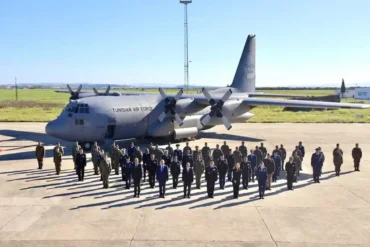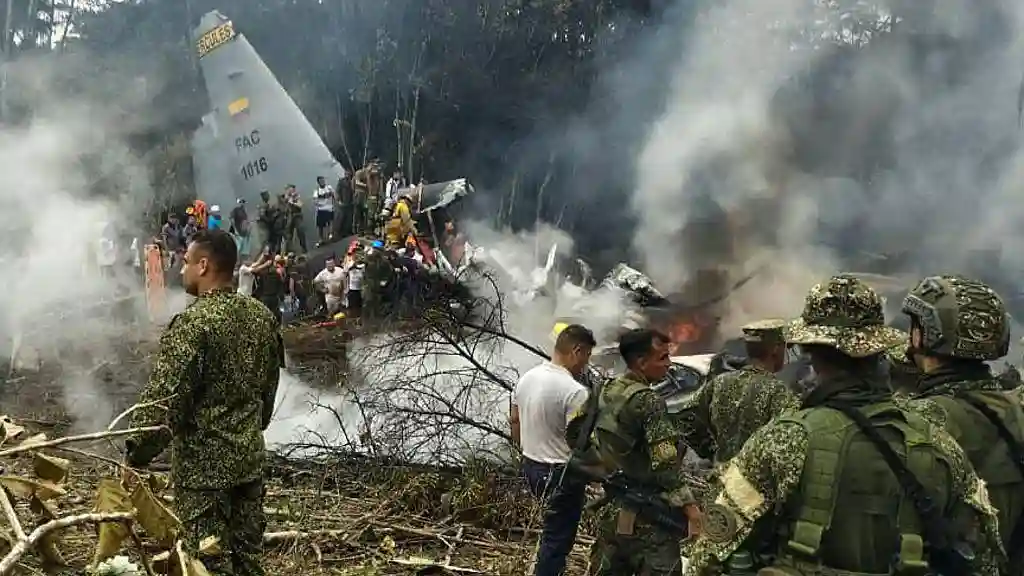
The crash of a Lockheed Martin C-130 Hercules in Colombia’s southern Amazon region has rapidly escalated into one of the country’s most serious military aviation disasters in recent years. Occurring near Puerto Leguízamo on March 23, 2026, the aircraft went down just minutes after takeoff, carrying an unusually large number of personnel. Early reports indicate that approximately 125 individuals were onboard, including 110 soldiers, underscoring the devastating scale of the incident.
What makes this incident particularly alarming is not just the number of passengers, but the strategic importance of the aircraft itself. The C-130 Hercules is a backbone of military logistics, especially in regions where infrastructure is limited and terrain is unforgiving. In Colombia, where dense jungle and remote outposts define much of the operational landscape, the aircraft plays a critical role in maintaining mobility and supply chains.
Initial rescue efforts have revealed a mix of survival and tragedy. As of the latest updates, 77 individuals have been rescued, many suffering from severe injuries, while roughly 40 remain unaccounted for. The uncertainty surrounding the final casualty count continues to weigh heavily on both military authorities and the public.
What Happened: The Critical Moments After Takeoff
According to preliminary findings, the aircraft crashed within minutes of departure, plunging into dense jungle terrain not far from the runway. The short interval between takeoff and impact suggests that something went critically wrong during the most vulnerable phase of flight.
The environment itself complicates both understanding and response. The Amazon rainforest, with its thick canopy and minimal ground access, has slowed rescue operations considerably. Emergency teams have had to rely heavily on helicopter insertions and coordinated ground navigation, often battling visibility issues and unpredictable terrain.
Eyewitness accounts and early military statements indicate that rescue teams reached survivors scattered across the crash zone, suggesting a high-impact but non-instantaneous destruction. Many survivors required immediate medical evacuation, pointing to the severity of injuries sustained during the incident.
Colombia’s Defense Minister, Pedro Anulfo Sanchez, confirmed that while military units responded quickly, the exact cause of the crash and the total number of victims remain undetermined. This uncertainty is typical in aviation incidents of this scale, particularly in remote environments where evidence recovery is slow and complex.
The C-130 Hercules: A Proven Workhorse Under Pressure
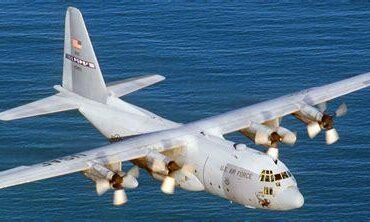
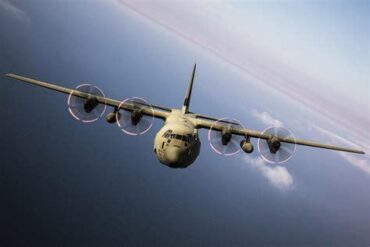
The C-130 Hercules is not just another military aircraft—it is one of the most widely used tactical airlifters in aviation history. First introduced in 1956, it has amassed over 25 million flight hours and served in more than 60 countries worldwide.
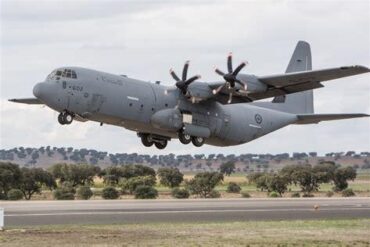
Designed for versatility, the aircraft can transport troops, cargo, medical patients, and humanitarian aid, often landing on short, unprepared runways where other aircraft cannot operate. Its rugged design has made it indispensable in environments like Colombia’s Amazon, where traditional infrastructure is scarce.
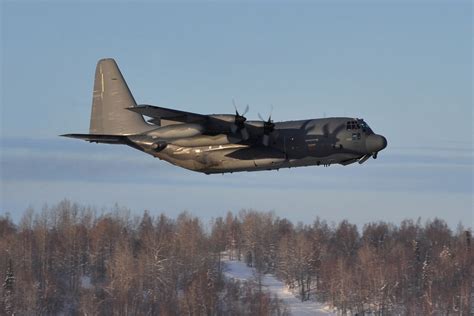
Despite its reputation for reliability, the operational demands placed on the C-130 are immense. Missions frequently involve challenging weather conditions, mountainous terrain, and limited navigation systems, all of which increase risk. While the aircraft itself has a strong safety record, incidents have occurred over the decades—often linked not to design flaws, but to external factors such as maintenance issues, environmental conditions, or operational stress.
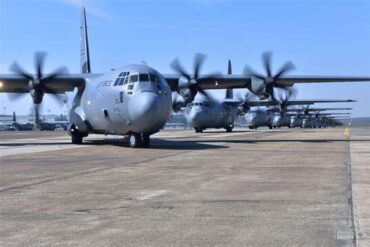
Another factor worth noting is the age of many C-130 aircraft still in service. Numerous airframes currently flying are between 30 and 50 years old, raising ongoing concerns about maintenance standards and modernization. While newer variants like the C-130J offer advanced avionics and improved performance, older models remain in use due to cost efficiency and proven durability.
Rescue Operations in Extreme Conditions
The aftermath of the crash has triggered a large-scale rescue and recovery operation, complicated by the harsh realities of the Amazon. Thick vegetation, limited access routes, and unpredictable weather have turned what would already be a difficult mission into a logistical challenge of the highest order.
Helicopters have become the primary lifeline, ferrying rescue personnel into the crash zone and evacuating injured survivors. Ground teams, often supported by local residents familiar with the terrain, are working methodically to locate those still missing. The cooperation between military units and civilian responders has been critical in the early stages of the operation.
Medical teams have prioritized trauma care and rapid evacuation, as many survivors are believed to have suffered serious physical injuries, including fractures, burns, and internal trauma. The urgency of these evacuations highlights the narrow window in which lives can be saved following such high-impact crashes.
Investigation and Broader Implications for Military Aviation
As recovery efforts continue, attention is increasingly shifting toward the investigation into the cause of the crash. Authorities are examining multiple possibilities, including mechanical failure, adverse weather conditions, and operational factors. Given the aircraft’s role and the number of personnel onboard, the findings will carry significant weight.
This incident is likely to trigger renewed scrutiny of Colombia’s military aviation fleet, particularly regarding maintenance protocols and aircraft age. It may also accelerate discussions about fleet modernization, including potential upgrades or replacements for older C-130 variants.
On a global scale, the incident reinforces an ongoing challenge faced by many military operators: balancing cost, capability, and safety. While the C-130 remains a highly capable platform, incidents like this underscore the importance of continuous investment in technology, training, and maintenance systems.
The investigation is expected to take time, especially given the complexity of the crash site and the need for detailed technical analysis. Each recovered piece of evidence will contribute to a clearer understanding of what went wrong—and how similar tragedies might be prevented in the future.
For now, the focus remains on rescue, recovery, and accountability, as Colombia confronts the human and operational toll of a disaster that has shaken its armed forces and captured global attention.