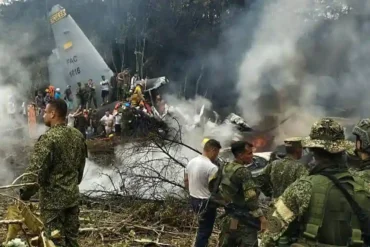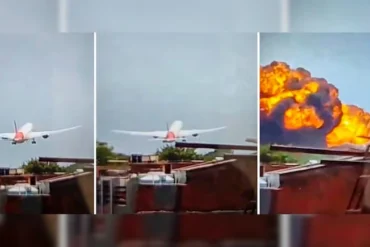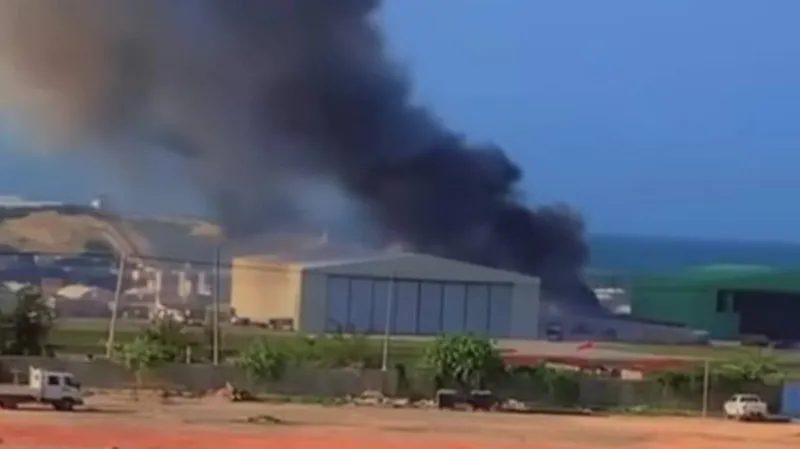
A tragic incident has unfolded at Aden Adde International Airport in Mogadishu, Somalia, after a Ugandan military helicopter crashed and erupted in flames, resulting in the deaths of five individuals on board. The crash, which occurred in the military section of Somalia’s busiest airport, has intensified concerns over operational safety and military aviation within conflict zones.
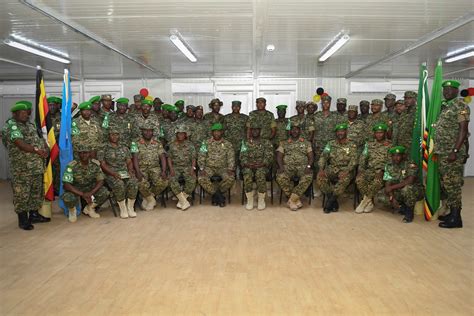
The ill-fated helicopter was part of Uganda’s military contingent serving under the African Union Transition Mission in Somalia (ATMIS), an 11,000-strong force supporting Somali authorities in their long-standing battle against the extremist group al-Shabab, which has been waging a brutal insurgency across the nation for over two decades.
Details of the Crash at Aden Adde International Airport
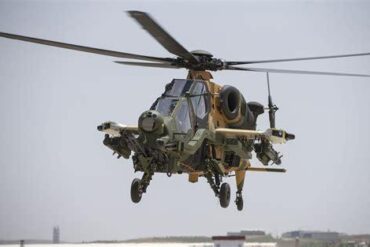
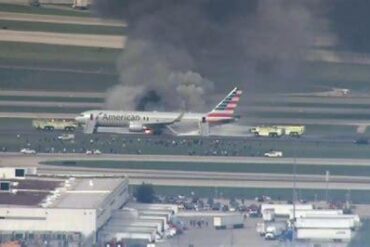
The catastrophic event unfolded when the helicopter, returning from a “routine combat escort mission,” crashed in the military zone of Aden Adde International Airport, located in the heart of Somalia’s capital, Mogadishu. According to eyewitnesses and military sources, shortly after landing, the aircraft caught fire, engulfing the fuselage in thick plumes of smoke visible across the airport vicinity.
Farah Abdulle, an airport staff member, described the dramatic scene: “We heard the blast and saw smoke and flames over a helicopter. The smoke entirely covered the helicopter.” Emergency services swiftly responded, containing the blaze to prevent further escalation. Despite their efforts, five individuals lost their lives.
Miraculously, three crew members—the pilot, co-pilot, and flight engineer—survived the incident but suffered “serious injuries and severe burns,” as confirmed by Ugandan military spokesman Maj Gen Felix Kulaigye. These individuals were promptly evacuated to receive medical treatment. The extent of their injuries underscores the severity of the crash and the intensity of the ensuing fire.
Origin of the Helicopter and Mission Details
The helicopter had departed earlier from Balidogle Airbase, a strategically significant military installation situated approximately 90 kilometers (56 miles) northwest of Mogadishu in Somalia’s Lower Shabelle region. The airbase is a known hub for joint military operations between Somali forces and international allies, particularly in counterinsurgency campaigns targeting al-Shabab militants.
The flight was described as a “routine combat escort mission,” though officials have yet to release specific details regarding the nature of the operation or whether hostile engagement was a factor leading up to the crash. Maj Gen Kulaigye emphasized that an in-depth investigation is underway to ascertain the cause of the disaster, signaling Uganda’s intent to understand whether mechanical failure, human error, or external influences played a role.
Broader Context: Uganda’s Role in Somalia’s Security Landscape
Uganda remains a key contributor to ATMIS, previously known as the African Union Mission in Somalia (AMISOM), which has been central to efforts aimed at stabilizing Somalia and combating al-Shabab’s insurgency. Ugandan forces have been instrumental in securing major urban centers, protecting government installations, and conducting offensive operations against militant strongholds.
The significance of this helicopter crash extends beyond the immediate loss of life. It underscores the operational challenges and risks faced by foreign military personnel operating within Somalia’s volatile security environment. Despite decades of international intervention, al-Shabab remains a potent threat, carrying out complex attacks in urban areas, targeting military assets, and undermining peace efforts.
Aviation and Military Safety Concerns
The crash has reignited scrutiny over the safety protocols surrounding military aviation in Somalia. The country’s challenging terrain, combined with the persistent threat of insurgent activity and limited infrastructure, creates a hazardous environment for both military and civilian aircraft.
Notably, this incident caused temporary disruptions at Aden Adde International Airport, Somalia’s principal air gateway. While domestic flights continued operating normally, the departure of a Turkish Airlines passenger plane was delayed, highlighting the broader implications of military incidents on civilian aviation operations.
The Somali Civil Aviation Authority, represented by its head Ahmed Maalim, confirmed that the helicopter came down within the airport’s military section, adding that investigations are underway to evaluate the circumstances of the crash and any potential impact on airport safety.
Ongoing Investigation and Accountability
The Ugandan military leadership has pledged a comprehensive inquiry into the incident. Maj Gen Kulaigye assured that all angles, including mechanical integrity, flight conditions, and possible hostile interference, would be explored. Such investigations are critical for understanding the root causes of aviation mishaps, particularly in high-risk environments like Somalia.
Uganda’s defense forces have a long-standing history of operating helicopters in Somalia, primarily for troop transport, surveillance, and combat support. These missions are integral to the broader ATMIS mandate, but they also expose personnel and equipment to significant operational hazards, including weather challenges, technical malfunctions, and the ever-present danger posed by insurgent groups.
Al-Shabab’s Influence and Somalia’s Fragile Security
The crash occurs against the backdrop of persistent insecurity across Somalia, largely fueled by al-Shabab’s sustained insurgency. The militant group, aligned with al-Qaeda, has demonstrated resilience despite years of international military pressure. Al-Shabab regularly conducts bombings, assassinations, and assaults on military and civilian targets alike, aiming to destabilize the federal government and enforce their radical ideology.
Although there is no evidence to suggest direct militant involvement in the helicopter crash, the pervasive instability in Somalia contributes to the heightened operational risks for all military assets in the country. The need for stringent safety protocols and robust logistical support is paramount to mitigating such tragedies in the future.
Global Reactions and Diplomatic Implications
The incident has prompted expressions of condolence and concern from various quarters. Regional security analysts note that such accidents, while tragic, highlight the heavy burden borne by countries like Uganda in pursuit of regional stability. Uganda’s substantial troop contribution to ATMIS underscores its commitment to counterterrorism efforts, yet incidents like this inevitably raise questions regarding troop welfare, equipment readiness, and mission sustainability.
International partners, including the African Union, the United Nations, and Somalia’s allies, are closely monitoring the situation. The loss of life, coupled with the disruption to critical military operations, may prompt renewed discussions on enhancing safety measures, modernizing military equipment, and bolstering air mobility capabilities for African Union forces deployed in Somalia.
Looking Ahead: Lessons from the Tragedy
As investigations continue, attention turns to the imperative of improving operational safety for military personnel engaged in Somalia’s stabilization efforts. While the dangers of conflict zones are unavoidable, ensuring that equipment is well-maintained, personnel are adequately trained, and mission parameters are clearly defined can reduce the likelihood of similar tragedies.
The loss of five lives serves as a somber reminder of the human cost associated with peacekeeping and counterinsurgency missions. For Uganda, Somalia, and their international partners, this incident underscores the need for vigilance, investment in aviation safety, and unwavering commitment to securing a more stable and peaceful Horn of Africa.