Air India Flight 171’s tragic crash shortly after takeoff from Ahmedabad on June 12, 2025, has taken a sharp investigative turn following the Aircraft Accident Investigation Bureau (AAIB)‘s preliminary findings. The early report reveals a devastating and baffling error: both engine fuel control switches were set to CUTOFF just seconds after liftoff, abruptly halting power to the aircraft’s engines and sending the Boeing 787-8 Dreamliner into a fatal descent.
The discovery of the fuel control switches in the CUTOFF position three seconds after the jet transitioned from ground to air has sparked intense scrutiny into the cockpit actions during the flight’s final seconds. Moments before the shutdown, cockpit voice recordings captured a confusing exchange between the pilots. One questioned why the other had moved the switch, only to receive a stunned reply — “I didn’t touch it.”
Immediate Aftermath and Aircraft Systems Response
The fuel control switches were manually reset to the RUN position approximately ten seconds after the shutdown, but by then, the critical loss of thrust had initiated an unrecoverable chain reaction. As per the AAIB’s data, the RAM Air Turbine (RAT) deployed almost instantaneously, activating emergency power systems. Only Engine 2 briefly showed signs of a restart, with rising gas temperatures and faint ignition activity. However, the engine failed to recover adequate core speed to sustain combustion.

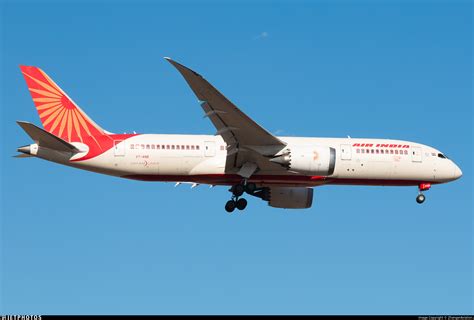
The GEnx-1B engines, manufactured by General Electric, had no documented defects. The airframe itself, registered as VT-ANB, was 11 years old and had been maintained regularly. It was delivered to Air India in 2014 and had never before exhibited fuel system issues. Investigators have so far ruled out mechanical faults and are now concentrating on human error, systems logic, or possible electrical anomalies.
A Devastating Crash and a Nation in Mourning
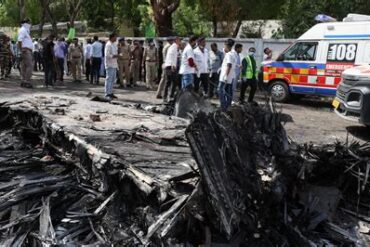
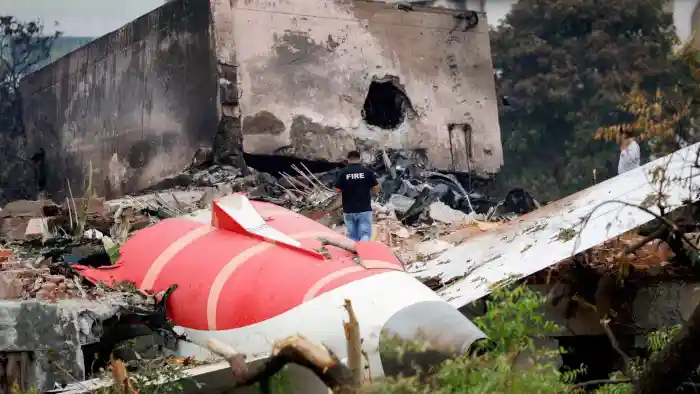
The aircraft, on a scheduled international route from Ahmedabad to London Gatwick, crashed into the hostel wing of B.J. Medical College just 1.5 nautical miles from runway departure. The impact and ensuing fire claimed the lives of 229 passengers, all 12 crew members, and 19 civilians on the ground. One survivor, Viswashkumar Ramesh, emerged from the wreckage with minor injuries, though he has since stated he retains no clear memory of the incident.
This accident marks the first-ever fatal incident involving the Boeing 787 Dreamliner, a type hailed for its reliability and fuel efficiency. It is also India’s deadliest aviation accident since the infamous Charkhi Dadri mid-air collision of 1996, which killed 349 people.
Questions Surround Pilot Actions and Training
Flight 171 was captained by Sumeet Sabharwal, an experienced pilot with over 8,200 flight hours, accompanied by First Officer Clive Kunder, who had logged around 1,100 hours. Both had been declared medically fit and well-rested before the flight, and investigators found no evidence of substance use or fatigue.
Voice recordings reveal a chilling moment of confusion in the cockpit, suggesting neither pilot intentionally initiated the fuel cutoff. However, the physical act of flipping both fuel switches to CUTOFF — a function that is neither automatic nor part of standard takeoff procedure — demands manual input. This raises potential questions about accidental movement, switch misidentification, or a procedural anomaly.
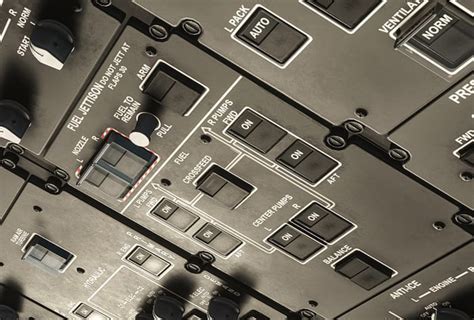
The AAIB report also notes that the switches were found in the RUN position post-crash, indicating that the pilots attempted to recover engine power once they realized the problem. Unfortunately, the altitude loss during those seconds proved irreversible.
Investigation Progress and Fuel Quality Review
While the fuel shutoff now appears central to the accident, investigators have not entirely dismissed other contributing factors. Fuel contamination was briefly considered, particularly given the limited post-accident fuel samples. However, there is so far no evidence of impurities or flow obstruction.
Air India has confirmed full compliance and cooperation with investigative authorities. A formal statement from the airline read:
“We acknowledge receipt of the preliminary report released by the Aircraft Accident Investigation Bureau (AAIB) today, 12 July 2025. Air India is working closely with stakeholders, including regulators. We continue to fully cooperate with the AAIB and other authorities as their investigation progresses.”
The airline also extended condolences to the victims’ families and vowed to continue providing psychological and financial support.
The Aircraft: A Closer Look at VT-ANB
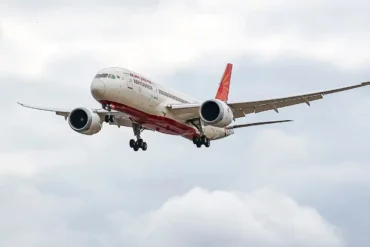
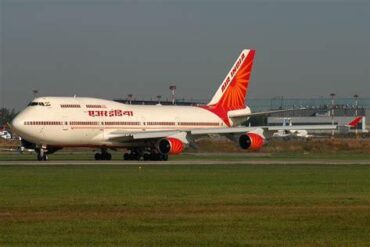
VT-ANB, the 787 involved in the crash, was part of Air India’s long-haul fleet and was typically deployed on international routes to Europe and North America. It had a two-class cabin configuration — 18 business class and 238 economy class seats. Its engines, the GEnx-1B, are widely used in the global 787 fleet and are known for their high bypass ratio and fuel efficiency.
The aircraft had completed over 31,000 flight hours since its delivery. Maintenance logs show the last heavy check occurred in April 2025, with no unresolved faults reported in the aircraft’s fuel, electrical, or engine control systems.
The Human Toll: Nationalities and Victims
Among the 230 passengers onboard, the nationalities broke down as follows:
- 169 were Indian citizens
- 53 were from the United Kingdom
- 7 from Portugal
- 1 Canadian national
All 12 crew members were Indian nationals employed at Air India’s Mumbai hub. Many of the deceased passengers were reported to be students, business professionals, and families traveling to London for summer vacations, academic pursuits, or professional commitments.
In addition to the onboard fatalities, 19 civilians on the ground lost their lives when the aircraft struck the building. The hospital reported over 40 injured, many of whom were medical students residing in the hostel.
International Implications and Aviation Community Response
Aviation regulators worldwide are now watching closely, particularly as this accident has shattered the previously spotless safety record of the Dreamliner platform. Boeing has refrained from public commentary, pending the AAIB’s final report. However, it is understood that Boeing, GE Aerospace, and Indian regulatory authorities are all reviewing system redundancy, cockpit ergonomics, and fuel switch accessibility in emergency versus non-emergency conditions.
Aviation analysts have highlighted the unique placement and design of the Boeing 787’s fuel control switches, which are located on the center pedestal, below eye level for both pilots. It is possible that a procedural miscue or spatial confusion could have caused a simultaneous double switch-off during a high-workload takeoff phase — a theory yet to be conclusively established.
Looking Forward: Pending Actions and Safety Reforms
As of now, the AAIB has not recommended any urgent airworthiness directives or fleet-wide changes, underscoring that the accident appears to stem from a non-systemic action or anomaly rather than a design flaw. However, this may change depending on final forensic and systemic findings.
The aviation community in India and abroad continues to mourn the lives lost, with memorials held in Ahmedabad, Mumbai, and London. Families of the deceased have demanded transparency and accountability, with legal action looming against both Air India and regulatory authorities, citing systemic failure or inadequate safeguards.
The AAIB has promised a final report within 180 days, which is expected to include a full reconstruction of the cockpit events, possibly aided by simulator re-creations and further technical collaboration with Boeing and international experts.
A Legacy of Loss and a Wake-Up Call for Aviation
The crash of Air India Flight 171 will be remembered not only as the first fatal Dreamliner crash but as a sobering reminder of how even the most advanced aircraft can succumb to a single point of failure. Whether due to human factors, design oversight, or procedural lapse, the tragedy has exposed a vulnerability in cockpit dynamics during takeoff — the most critical phase of flight.
As the world waits for the full truth to emerge, the aviation industry is once again reminded that in a system built on precision, even a three-second misstep can cost hundreds of lives.