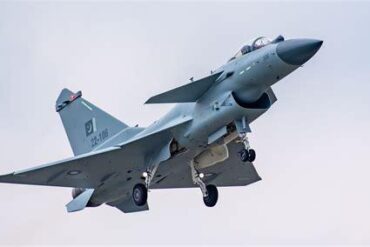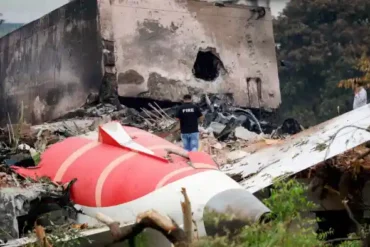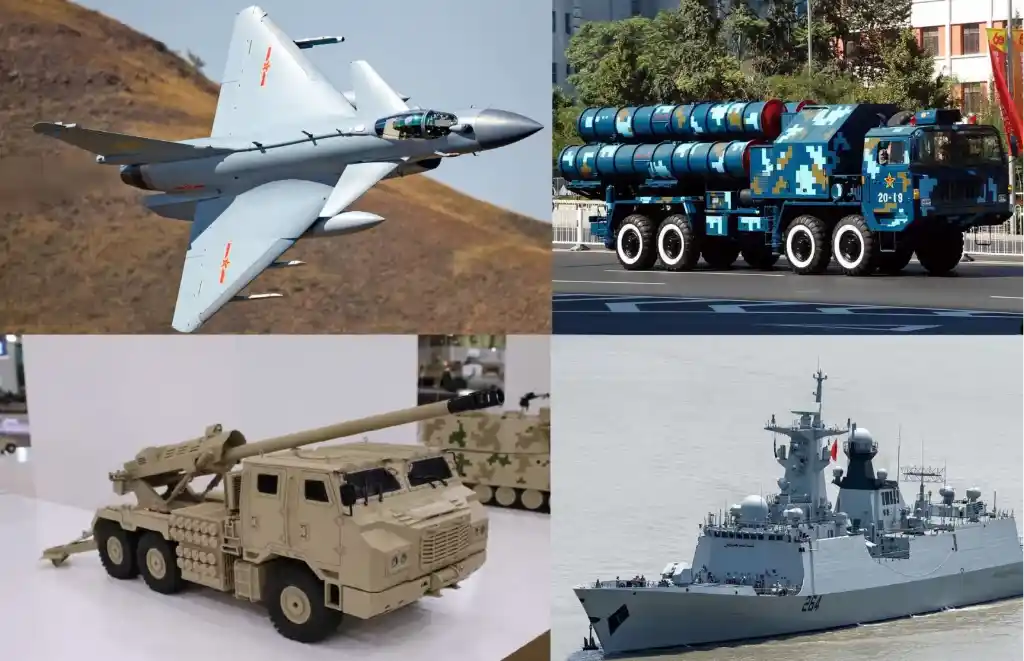
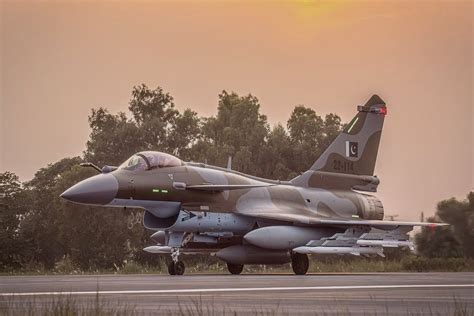
During the brief but intense conflict, Beijing’s weapons—integrated into Pakistan’s kill chains—offered Chinese engineers the rare chance to observe how their technologies performed against a modern, capable adversary equipped with Western-origin aircraft and long-range strike assets. The report notes that this was the first time platforms such as the J-10CE fighter, HQ-9 air defense system, and PL-15 air-to-air missile were used in real combat. Their performance is now expected to shape procurement patterns, deterrence calculations, and doctrinal development across the Indo-Pacific.
The geopolitical stakes behind this revelation extend far beyond the Kashmir borderlands. Washington’s review suggests China is systematically learning from conflicts it does not directly fight—quietly accumulating experience while minimizing political and human risk.
China’s Deep Role in Pakistan’s 2025 Warfighting
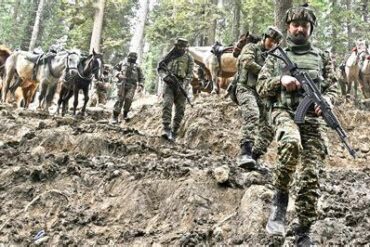
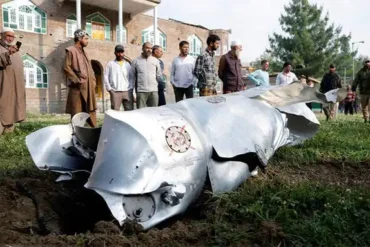
According to the U.S. assessment, Pakistan relied heavily on Chinese hardware, targeting systems, and combat integration support during Operation Sindoor. The clash began after a deadly insurgent attack in Jammu and Kashmir killed 26 civilians, prompting Indian air and missile strikes on Pakistani targets. Pakistan responded with massed drone and missile attacks of its own, extending deeper into Indian territory than in any confrontation since the 1971 war.
The scale and depth of the strikes created a rare environment for validating new weapons under stress, and China seized the moment. For Beijing, the crisis delivered invaluable data on sensors, missile performance, electronic warfare resilience, and radar behavior in contested airspace. For Pakistan, it strengthened the belief that Chinese systems offer the best path to countering India’s expanding conventional advantage.
J-10CE Fighters and the PL-15 Missile Rewrite Aerial Engagements
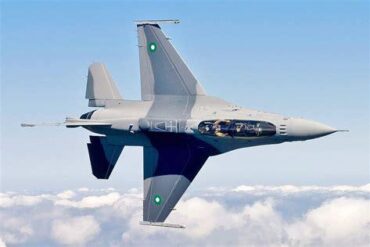
Pakistan’s J-10CE fleet became the centerpiece of a Chinese-integrated kill chain during the conflict. The jets’ active electronically scanned array (AESA) radar allowed pilots to detect targets at long ranges, while the PL-15E beyond-visual-range missile gave Pakistan the reach to challenge Indian aircraft—including Rafales—before they entered their own firing envelopes.
This standoff advantage was amplified by Chinese airborne early warning platforms such as the ZDK-03 and KJ-500, which cued Pakistani fighters with long-range situational awareness. Pakistani officials privately claim the system enabled successful engagements against Indian strike packages, though exact battle damage assessments remain disputed by both sides.
HQ-9 Air Defense Networks Challenge India on Two Fronts
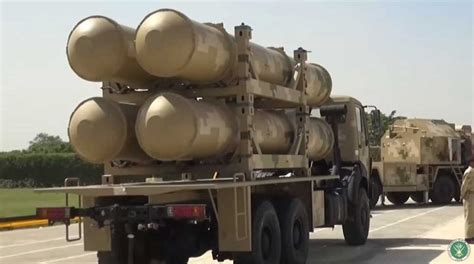
The report highlights the significance of Pakistan’s HQ-9P and HQ-9BE long-range air defense systems, which China has tailored for Pakistani operational needs. These systems provided overlapping, multi-layered coverage around critical cities, air bases, and logistics hubs throughout the clash.
For India, this presents a new operational dilemma: Chinese-designed air defenses now confront it on both its western (Pakistan) and northern (China) fronts, narrowing air corridors for strike aircraft and raising the cost of any future punitive campaign.
Chinese Firepower Reshapes Pakistan’s Land and Naval Forces
The artillery duel that erupted along the Line of Control revealed the depth of Chinese hardware embedded in Pakistan’s ground forces. Pakistani units employed the SH-15 155mm self-propelled howitzer, capable of firing extended-range rounds beyond 50 kilometers. Integrated with Pakistani missile forces, these guns conducted rapid counter-battery strikes and precision interdiction missions.
Simultaneously, Pakistan’s armored corps continued transitioning to the VT-4 main battle tank, an advanced platform equipped with digital fire control, modular armor packages, and optional active protection systems. These upgrades represent Islamabad’s push to maintain credible ground maneuver capability despite India’s larger force structure.
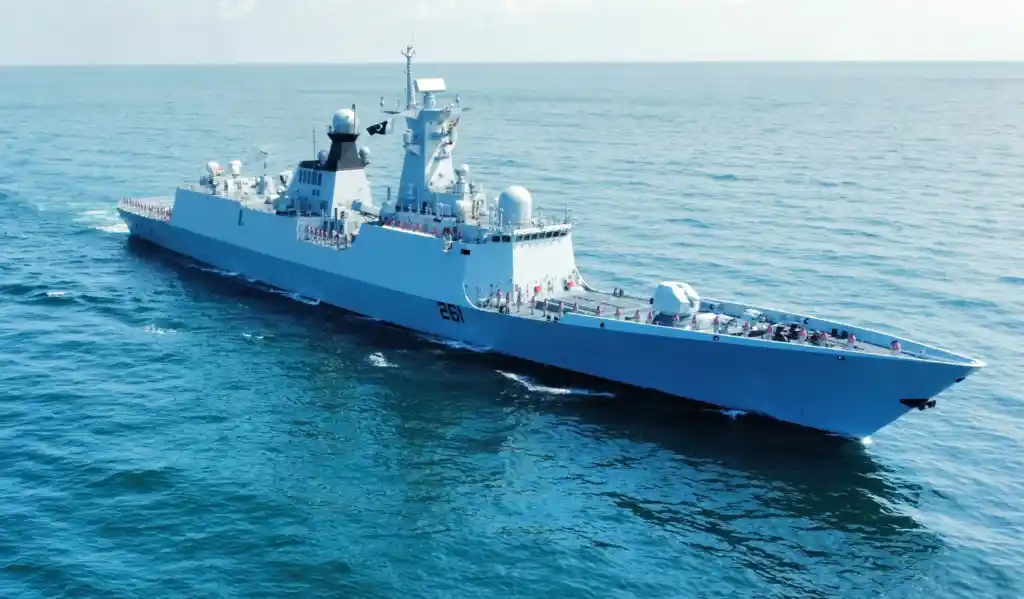
At sea, China has practically rebuilt Pakistan’s navy. The Tughril-class frigates, equipped with vertical launch systems, provide Pakistan’s first modern area-air-defense ships. Meanwhile the massive Hangor-class submarine program, based on China’s Type 039A and including air-independent propulsion, is the largest defense export deal in China’s history. These undersea assets will reshape Pakistan’s maritime posture well into the 2030s.
China’s Strategic Objective: Combat Data Without Paying the Cost
Chinese military thinkers have long warned that the People’s Liberation Army suffers from what they call “peace disease”—decades without real combat experience. Modern Chinese doctrine, increasingly oriented around informatized and intelligentized warfare, depends on authentic battlefield data to refine AI decision-making tools, networks, sensors, and munitions.
A limited India-Pakistan conflict creates a unique testing ground: Pakistan absorbs the political and human consequences while China quietly studies the results. The U.S. report concludes that Beijing effectively used the crisis to validate the performance of its newest export systems against Western-equipped adversaries, strengthening both its doctrine and its global marketing campaigns.
Pakistan’s Economic Strain and Strategic Dependence
Islamabad approved a roughly 20% increase in defense spending for 2025–2026, even as its economy struggles with IMF conditions, rising insurgent violence, and cuts to social programs. Despite these pressures, Pakistan continues maximizing Chinese acquisitions, arguing that the May conflict demonstrated their decisive value. This creates a deeper structural dependency on Beijing—financially, militarily, and doctrinally.
Global Consequences: From South Asia to the Taiwan Strait
The implications of the report extend well beyond the subcontinent. China has already begun showcasing the performance of the HQ-9 and PL-15 as proof that its systems can defeat advanced Western fighters—messaging aimed squarely at Southeast Asian militaries considering European aircraft.
India, in response, is accelerating its own modernization push while tightening strategic cooperation with the United States and France. Operation Sindoor, therefore, becomes more than a border flare-up: it is a strategic inflection point, demonstrating that China’s weapons have moved from glossy brochures into combat-validated tools of influence.
The lessons Beijing draws from this covert battlefield experiment will reverberate from the Himalayan frontier to the Taiwan Strait, reshaping threat perceptions and procurement decisions across the Indo-Pacific.