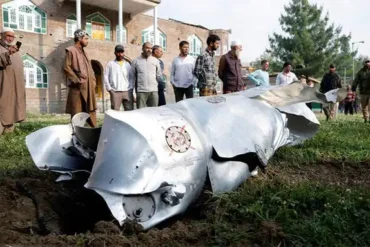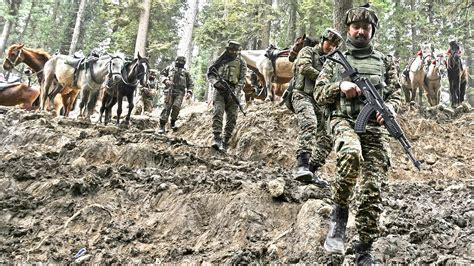
The ongoing India-Pakistan conflict, which escalated significantly in May 2025, has sent shockwaves through various sectors, notably air travel, tourism, and trade. As tensions between these two neighboring nations reached a boiling point, the repercussions extended far beyond their borders, affecting not only the regional economy but also global trade routes and tourist patterns. With both countries embroiled in efforts to de-escalate, the ramifications of this conflict continue to shape the landscape of international travel and commerce.
Air Travel Chaos: Flight Cancellations and Airport Closures
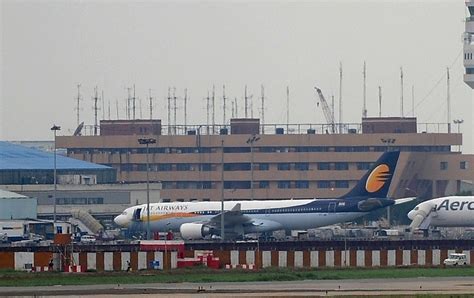
The immediate fallout from the conflict was felt heavily within the aviation sector. The Directorate General of Civil Aviation (DGCA) reported significant disruptions across the air travel network, resulting in the closure of over 32 airports in northern and western India, including major hubs in Delhi and Mumbai. This unprecedented shutdown led to widespread flight cancellations and delays, severely impacting domestic air passenger traffic. On the very first day of the conflict, cancellations soared to more than 50 flights, with the disruption continuing throughout the four-day clash.
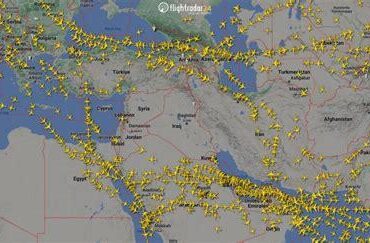
Airlines faced additional challenges when Pakistan decided to close its airspace to all Indian carriers, which effectively grounded or rerouted numerous international flights. This move not only delayed thousands of travelers but also created a significant bottleneck in air traffic as airlines scrambled to adjust their routes. Key international flight schedules, particularly those connecting to regions such as the Middle East, Southeast Asia, and Europe, were further complicated by these airspace restrictions, leading to a chaotic atmosphere for passengers and airlines alike.
Tourism in Turmoil: Boycotts and Shifting Travel Plans
The implications of the conflict extended beyond air travel disruptions. With Pakistan receiving support from certain countries, including Azerbaijan and Turkey, Indian tourists began boycotting these destinations. This shift in sentiment resulted in a staggering 60% drop in tourism bookings to Azerbaijan and Turkey, with cancellations spiking by an alarming 250% as Indian travelers sought safer alternatives. Many opted for politically neutral destinations, redirecting their travel plans toward countries like Georgia, Serbia, Greece, Thailand, and Vietnam. These destinations witnessed a significant uptick in bookings, reflecting a broader concern among travelers regarding safety and political tensions. The pivot towards alternative locations highlights the dynamic nature of tourism, where geopolitical factors can swiftly influence consumer behavior.
Suspension of Trade: Economic Fallout Between India and Pakistan
On the economic front, the conflict triggered an immediate and severe disruption in trade relations between India and Pakistan. In a bold move, India suspended the Indus Waters Treaty, a critical bilateral agreement that governs water sharing between the two nations. This action exacerbated tensions and led to the closure of borders, halting cross-border trade and suspending vital supply chains. The impact on bilateral economic relations was profound, with both countries facing long-term repercussions in their trading activities.
The sudden halt in trade caused both nations to scramble for new partners, as industries reliant on cross-border transactions found themselves in dire straits. The disruption not only affected local businesses but also had wider implications for international companies that depend on the steady flow of goods between India and Pakistan. The ripple effect of this breakdown in trade could be felt globally, as markets and manufacturers searched for alternatives to fill the gaps left by these two economic powerhouses.
A Ripple Effect Felt Globally
The ramifications of the conflict were not confined to the borders of India and Pakistan. Airlines, travel agencies, and businesses around the world felt the pressure, with some routes and trade agreements temporarily suspended or rerouted. The global tourism industry, already grappling with post-pandemic recovery challenges, faced yet another setback as travelers altered their plans in response to the geopolitical tensions. This disruption of trade rippled through the global economy, as industries dependent on goods from South Asia scrambled to find substitutes.
International observers are keenly monitoring the developments, as the ultimate consequences of this conflict remain uncertain. However, early signs indicate that the economic strain is palpable, with stakeholders in various sectors bracing for prolonged effects.
The Road Ahead: Recovery and the Path to Peace
As both India and Pakistan engage in de-escalation efforts, the recovery from these disruptions is expected to take time. The immediate effects are being felt across air travel, tourism, and trade; however, the long-term consequences will likely unfold over the coming months. Both governments must work diligently to rebuild trust and restore stability to ensure that economic, tourism, and trade sectors return to a semblance of normalcy.
In the short term, tourists and business travelers should remain flexible and cautious, adapting their plans to the evolving geopolitical landscape. The ripple effects of the conflict will likely linger for an extended period, as industries explore new avenues for adjustment and recovery from the disruptions experienced during this tumultuous period. The interplay of international relations and economic stability underscores the interconnectedness of today’s world, reminding us that peace and cooperation are essential for prosperity across borders.