Airspace Closures and Extended Flight Routes
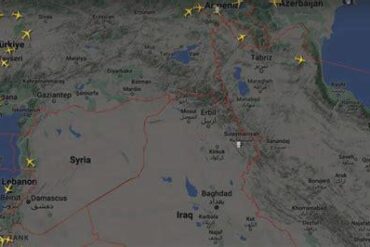
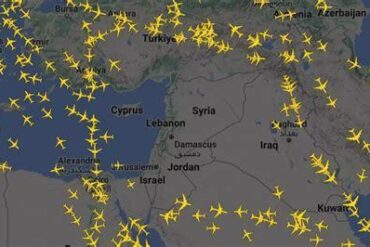
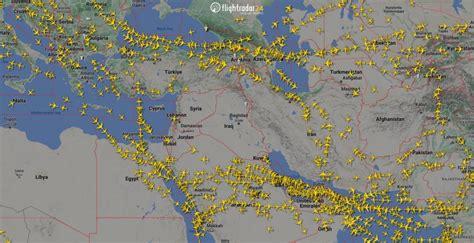
In response to the increasing hostilities in West Asia, various governments have issued Notices to Airmen (NOTAMs) that enforce airspace closures and restrictions. These closures have forced airlines to divert flights, resulting in longer, more circuitous routes that significantly increase travel times and operational complexities. For example, flights traveling from Asia to Europe now experience delays as airlines adjust their paths to circumvent areas of conflict.
The impact of these extended flight routes is multifaceted. Airlines are incurring additional fuel costs associated with longer journeys, which in turn leads to increased ticket prices. Reports indicate that airfares on certain routes have surged by 12–15% due to these necessary detours. Passengers are now facing flights that take several hours longer than usual, creating further frustration and logistical challenges, especially with the summer travel season approaching.
Rising Airfares and Financial Strain on Airlines
The hike in airfares is one of the most immediate consequences of the ongoing conflict. Major airlines such as United Airlines, Delta, and British Airways are grappling with rising operational costs due to longer flight paths. This situation threatens their profitability, particularly in the short term. Additionally, soaring oil prices, exacerbated by the conflict, have placed additional financial strain on the airline industry, forcing many carriers to increase ticket prices across the board.
The combination of increased airfares and rising fuel costs has created a precarious environment for airlines. Stock market performance reflects this financial pressure, with travel-related stocks experiencing a notable decline. For instance, United and Delta have reported drops in their stock prices exceeding 4%, while other sectors within the travel industry, such as cruise lines like Carnival and Royal Caribbean, are similarly suffering due to the prevailing uncertainty in global travel.
Travel Advisories and Heightened Safety Concerns
As the conflict intensifies, governments worldwide have issued severe travel advisories, particularly the UK Foreign Office, which has warned against all travel to Israel and the Occupied Palestinian Territories. Similar advisories from the US Department of State and other nations urge travelers to reconsider their plans and avoid unnecessary travel to the affected regions. These warnings have led to increased anxiety among travelers and have caused many to reevaluate their travel intentions.
The heightened security concerns extend beyond Israel, impacting neighboring countries such as Jordan, Egypt, the UAE, and Morocco. The flow of displaced individuals and fears of spillover violence have prompted some of these nations to temporarily close their airspaces, complicating international flight routes and adding another layer of uncertainty surrounding travel in the region. Consequently, many tourists are postponing or canceling their trips, leading to a significant decrease in travel demand.
Strain on Tourism and Future Prospects
The ongoing conflict has far-reaching implications for the tourism sector. With airlines forced to alter their routes and increase ticket prices, many potential travelers are choosing to delay or cancel their plans. This shift is evident in the rising number of refund requests received by travel companies, while others are rerouting customers to alternative destinations like Southeast Asia and Europe to avoid conflict-affected areas.
Tourism operators who anticipated a bustling summer season now face considerable uncertainty. Reports indicate a sharp decline in bookings to the Middle East, as tourists increasingly shy away from destinations impacted by the conflict. Even countries not directly involved, such as the UAE and Turkey, are experiencing diminished bookings due to the overarching instability in the region. The economic uncertainty stemming from the conflict and rising oil prices has reduced disposable income for many travelers, making them less willing to pay higher prices for long-haul flights amid safety concerns.
Long-Term Effects on the Travel Industry
The ongoing situation in West Asia shows no signs of abating, suggesting that the travel industry will continue to face challenges in the foreseeable future. Airlines are likely to encounter more flight disruptions, and high airfares may persist as long as the conflict endures. Safety concerns will remain at the forefront, influencing government advisories and shaping travel trends, particularly for those considering trips to the Middle East and surrounding areas.
To navigate these turbulent waters, travel agencies and tour operators must adapt their strategies. Offering flexible booking options, prioritizing customer safety, and adjusting services to accommodate shifting travel restrictions will be crucial. As the conflict evolves, the travel industry must remain vigilant, monitoring government advisories and preparing to pivot swiftly to meet the changing needs of travelers in an unpredictable global landscape.
Conclusion
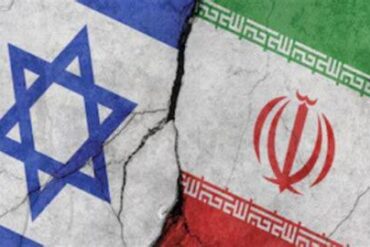
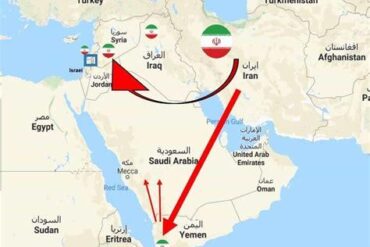
The current state of the Iran-Israel conflict and its impact on air travel represents a complex interplay of geopolitical tensions and economic realities. As airspace closures lead to longer flight routes and increased fares, the ripple effects on tourism are becoming increasingly pronounced. Travelers, airlines, and tourism operators alike are left grappling with the challenges posed by this evolving situation. With potential escalations looming, the travel sector must brace for continued volatility, adapting quickly to ensure safety and service amidst uncertainty.