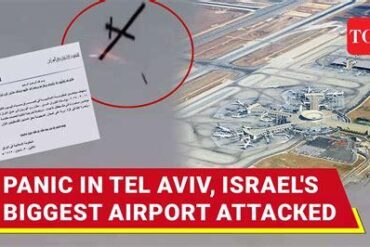
As tensions in the Middle East rise, several key airports across the region are experiencing significant disruptions to flight operations. This situation is primarily due to ongoing airspace closures resulting from escalating military activity between Israel and Iran. Airlines operating out of these airports, including Emirates, Etihad, flydubai, Qatar Airways, and others, have been compelled to make substantial changes to their schedules, including flight cancellations, reroutes, and delays. Passengers traveling through the affected airports are strongly advised to check with their airlines regularly for the most up-to-date flight information and to stay informed of any changes.
Dubai International Airport (DXB) and Dubai World Central (DWC), UAE
Dubai International (DXB), one of the busiest airports in the world, has been severely impacted by the ongoing airspace closures in the region. As of the latest updates from Dubai Airports, flights to and from countries such as Iraq, Iran, Lebanon, and Jordan have been either delayed or canceled. The official advisory from Dubai Airports highlights that both DXB and Dubai World Central (DWC) are experiencing significant delays, particularly for flights heading to and from the affected regions. The suspension of airspace over parts of Iraq, Syria, and Iran has led to widespread flight cancellations, especially on routes involving Emirates, flydubai, and other regional carriers. Travelers should expect extended waiting times at the airport, particularly during peak travel hours. Passengers are strongly encouraged to check their flight status before arriving at the airport. The Dubai Airports website provides live updates for flight schedules, including any cancellations or delays. It is crucial to stay connected with airlines, as they are issuing notices for rebookings or offering full refunds for canceled flights.
Abu Dhabi International Airport (AUH), UAE
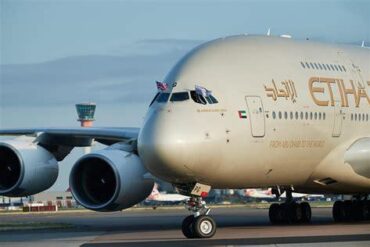
Abu Dhabi International Airport (AUH), the primary hub for Etihad Airways, is another major airport facing significant delays and cancellations. Like Dubai International, AUH has been adversely affected by airspace restrictions caused by the ongoing regional crisis. Etihad Airways, one of the largest airlines operating out of Abu Dhabi, has announced multiple flight cancellations and rerouting for flights traveling through the affected areas. The airport’s official website confirms that airspace over countries like Iraq and Iran is currently closed, leading to considerable delays for inbound and outbound flights. The disruptions have impacted both international flights and regional services, especially those traveling over or to the affected airspaces. The most significant delays are being seen on flights from Abu Dhabi to destinations in the Middle East, including Tehran, Amman, and Beirut. Travelers heading to or from Abu Dhabi Airport are urged to allow for additional travel time. With ongoing cancellations and reroutes, it is also advisable to check the status of your flight before arriving at the airport to avoid unnecessary delays or confusion.
Hamad International Airport (DOH), Qatar
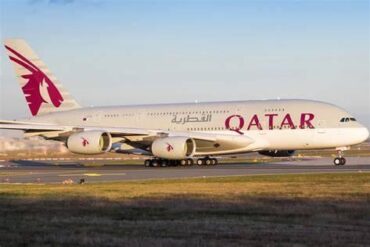
Hamad International Airport (DOH), the main hub for Qatar Airways, has also experienced notable disruptions as a result of the regional airspace closures. As a major junction for flights connecting Europe, Asia, and the Middle East, Hamad International is facing delays, particularly for flights traveling through Iraq, Iran, and Syria. The official website of Hamad International Airport has confirmed significant delays and cancellations due to the ongoing situation in the region. Flight routes to cities like Baghdad, Basra, Erbil, and Damascus are particularly affected. According to the most recent advisory, Hamad International has been actively working with airlines to accommodate affected passengers, but travelers should expect longer-than-usual processing times at the airport. As the situation remains fluid, passengers are urged to check for real-time updates via the official website of the airport and Qatar Airways. The airport advises arriving well ahead of time to allow for extra security and check-in procedures.
King Khalid International Airport (RUH), Riyadh, Saudi Arabia
King Khalid International Airport (RUH) in Riyadh, Saudi Arabia, is also facing delays and cancellations due to the regional airspace restrictions. Although Saudi airspace itself remains open, the airline schedules of international carriers are being affected by rerouted flights and airspace closures over neighboring countries. The latest updates from the airport’s official site mention that some international flights are being impacted due to the evolving situation; however, the overall disruption is less severe compared to other airports in the region. Nevertheless, as disruptions continue to affect flights in the region, travelers are still advised to stay updated with their airlines. Passengers flying into or out of King Khalid International should anticipate potential delays, and it is recommended to verify their flight details with their airlines before arriving at the airport.
Queen Alia International Airport (AMM), Amman, Jordan
Queen Alia International Airport in Amman, Jordan, has also been significantly affected by the ongoing crisis. Airspace closures over Syria, Iraq, and parts of Iran have disrupted travel plans for passengers flying through or to Jordan. Several flights to destinations such as Beirut and Amman from the UAE and other Middle Eastern airports have either been delayed or canceled. The official website of Queen Alia International Airport highlights that flights to and from Iraq, Iran, and Syria have been temporarily suspended due to the airspace restrictions. Passengers are advised to check with their airlines for further updates and to anticipate delays. Jordanian airlines, including Royal Jordanian, have also been rerouting flights, causing additional delays. The airport urges passengers to arrive well ahead of their scheduled departure times to accommodate any delays in security and customs.
Beirut Rafic Hariri International Airport (BEY), Lebanon
Beirut Rafic Hariri International Airport (BEY) in Lebanon has also witnessed significant flight disruptions. Similar to other airports in the region, Beirut’s airspace has been affected by the ongoing Israel-Iran conflict. This has caused several airlines, including various Middle Eastern carriers, to cancel flights and reroute others. Beirut Airport’s official website confirms that flights to and from Tehran, Baghdad, and other affected Middle Eastern cities have been suspended due to the regional airspace closures. Travelers flying into or out of Lebanon are urged to check with their airline for real-time flight updates, as the situation remains fluid. Passengers are advised to expect delays and cancellations and to consult with their airlines about rebooking options or refunds. The Lebanese government has also issued an advisory for travelers to stay in contact with their airlines for alternative travel arrangements.
Sharjah International Airport (SHJ), UAE
Sharjah International Airport (SHJ), another key airport in the UAE, has also been affected by the ongoing disruptions. Although Sharjah is less impacted than Dubai International and Abu Dhabi, flights from Sharjah to affected countries such as Iran, Iraq, and Syria are experiencing delays and cancellations. The official website of Sharjah International Airport has confirmed that passengers flying on affected routes should expect delays or cancellations. Airlines are advising travelers to check their flight status regularly. Travelers should also consider arriving earlier than usual due to the potential for delays at check-in and security.
General Travel Advisory for Affected Airports
As the situation in the region evolves, passengers are strongly encouraged to take the following steps:
- Check Airline Websites Regularly: Flight cancellations and delays are being updated in real-time by airlines and airports. Always refer to official airline websites or apps for the latest information.
- Allow Extra Time at Airports: With additional checks and potential delays in processing, arriving earlier than usual is highly recommended.
- Stay Connected with Airlines: Many airlines are offering rebooking options or refunds. Make sure to stay connected with your airline for alternative travel arrangements.
- Stay Updated on Government Advisories: Several national governments, including those in the UAE, Qatar, and Saudi Arabia, have issued travel advisories. It’s essential to stay informed through official channels.
Conclusion
The ongoing conflict and regional airspace restrictions have led to major disruptions at several airports across the Middle East. Passengers traveling through Dubai, Abu Dhabi, Doha, Riyadh, Amman, Beirut, and Sharjah are strongly advised to stay in constant communication with their airlines, check official airport websites for updates, and allow for additional time at the airport. As the situation continues to evolve, flexibility and preparedness will be key for anyone traveling through the affected areas.