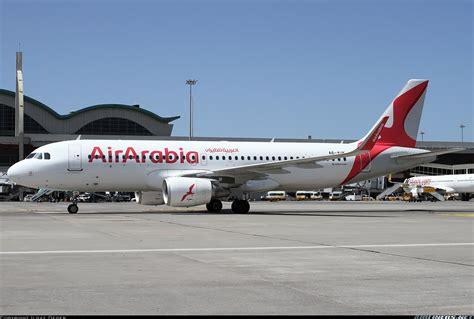
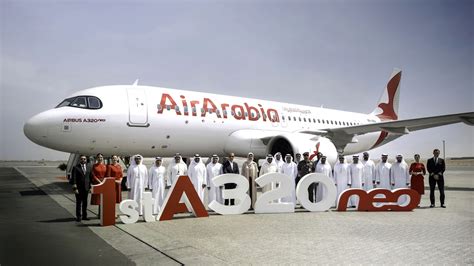
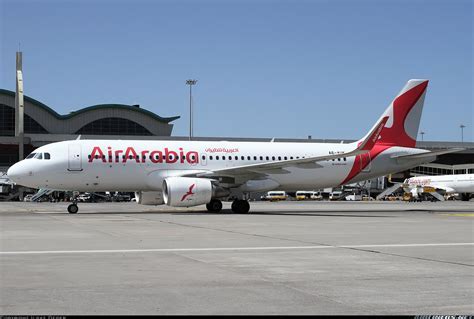
Air Arabia Abu Dhabi has marked a pivotal milestone in its strategic growth trajectory by expanding its fleet to 12 aircraft, with the addition of two brand-new Airbus A320s. This development is a significant move aimed at strengthening the carrier’s position within the regional aviation landscape and aligning with Abu Dhabi’s broader goals of becoming a global hub for air travel, commerce, and tourism. More importantly, this growth is not a mere statistical update—it represents a bold step forward in both vision and execution.
The new aircraft are part of a well-coordinated expansion plan that anticipates the arrival of two more Airbus A320s before the end of 2025, positioning the airline to increase its operational capacity by 40%. This scale-up will be critical in meeting the surging demand for air travel, especially as Abu Dhabi continues to elevate its profile as a key international aviation hub in the Middle East.
Strategic Growth Aligned with Market Dynamics
The aviation industry is experiencing a robust resurgence, with demand rebounding at an aggressive pace after years of disruption. Air Arabia Abu Dhabi’s decision to expand its fleet is a direct response to this revitalization. As global travel continues to bounce back, the airline is equipping itself to not only recover to pre-pandemic levels but also exceed them.
The Airbus A320 is a cornerstone of this plan. Known for its fuel efficiency, operational reliability, and high passenger comfort, the A320 remains one of the most popular single-aisle aircraft globally. For a low-cost carrier like Air Arabia Abu Dhabi, the A320 provides the ideal balance between cost-effective operation and elevated service standards.
This calculated fleet growth not only increases seat capacity but also allows for higher frequency routes, more consistent service schedules, and the introduction of new destinations across the Middle East, North Africa, Central Asia, and South Asia. It signals a definitive push toward achieving wider network coverage while maintaining operational resilience.
Fueling Abu Dhabi’s Economic Engine
Beyond aviation logistics, this expansion plays an integral role in furthering Abu Dhabi’s economic diversification goals. The emirate has long been championing a pivot away from oil dependency by investing in sectors such as tourism, transport, and infrastructure. Air Arabia Abu Dhabi, with its growing fleet, contributes directly to this vision by enhancing international accessibility and bolstering inbound tourism.
More aircraft mean more flights—and more flights generate higher footfall at Abu Dhabi International Airport. This increase in passenger traffic reverberates across several industries:
- Hospitality sees greater hotel occupancy and revenue.
- Retail benefits from higher consumer spending.
- Ground transportation experiences upticks in demand.
- Employment opportunities expand across aviation, logistics, and support sectors.
In this sense, the fleet expansion serves as a catalyst for socio-economic growth. It strengthens Abu Dhabi’s standing as a desirable destination for tourists and businesses alike, creating ripple effects that support long-term development.
Enhancing Regional and International Connectivity
With connectivity at the core of global competitiveness, Air Arabia Abu Dhabi’s investment in new aircraft positions the city as a central aviation nexus in the region. The Middle East already serves as a vital bridge between East and West, and Abu Dhabi’s geographic location gives it a strategic advantage. Expanding the fleet allows the airline to tap deeper into this advantage, offering:
- Increased route options for regional travelers.
- New city-pairs for international tourists.
- Better time slots and reduced layover times.
- Competitive pricing through supply-side expansion.
The improvement in frequency and reach will attract a more diversified passenger base, including business travelers, expatriates, students, and holidaymakers. It also enhances the emirate’s attractiveness to foreign investors who rely on stable and predictable air travel access.
Meeting Sustainability Goals with Efficient Fleet Modernization
Air Arabia Abu Dhabi’s choice of the Airbus A320 is not only practical but also environmentally responsible. The aircraft’s advanced engine technology and lighter materials contribute to lower fuel burn and reduced carbon emissions. In a world where aviation is under increasing pressure to decarbonize, fleet modernization with efficient aircraft becomes both a necessity and a competitive advantage.
The airline’s adoption of newer, cleaner aircraft dovetails with global sustainability efforts as outlined in ICAO’s CORSIA framework, as well as the UAE’s own Net Zero 2050 strategic initiative. It demonstrates a commitment not just to profitability but to environmental stewardship—an essential element of long-term aviation strategy.
Competitive Positioning in a Crowded Market
The low-cost carrier segment is intensifying across the Middle East, with several players seeking to capture the growing budget travel market. However, Air Arabia Abu Dhabi’s aggressive expansion, backed by operational excellence and regional backing, gives it a formidable edge in this space.
Unlike many startup carriers, Air Arabia Abu Dhabi benefits from:
- The legacy and experience of the wider Air Arabia Group, one of the largest low-cost airline networks in the Middle East and North Africa.
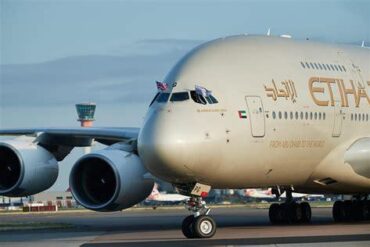
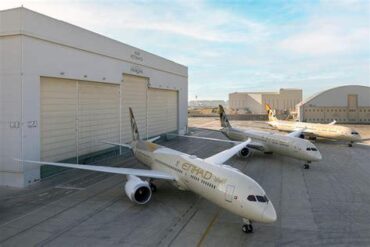
- Strong financial backing and strategic alignment with Etihad Aviation Group, Abu Dhabi’s flagship aviation organization.
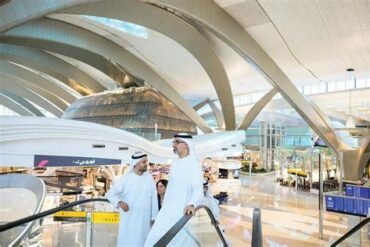
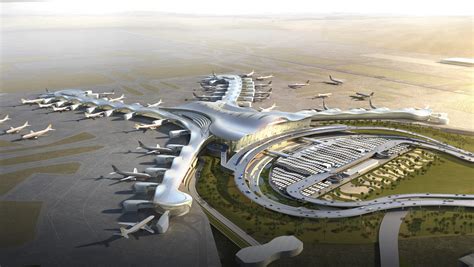
- Access to high-quality infrastructure at Abu Dhabi International Airport and the upcoming Midfield Terminal.
These strengths allow the airline to scale quickly and efficiently, offering more than just competitive prices—it offers reliable service, a strong safety record, and value-driven travel experiences.
The Broader Global Context
From a macro perspective, Air Arabia Abu Dhabi’s expansion aligns with the global aviation recovery narrative. The International Air Transport Association (IATA) has projected sustained growth in air passenger traffic over the next five years, particularly across emerging markets. Carriers that can scale with agility are expected to be key enablers of global mobility.
In this context, Abu Dhabi’s rise as an air travel epicenter isn’t incidental—it’s strategic. As business travel resumes, leisure travel thrives, and supply chains continue to globalize, having robust aviation partners becomes imperative. Air Arabia Abu Dhabi is increasingly fulfilling this role by not only increasing its fleet but also aligning its network planning with real-time passenger demand trends.
What This Means for Passengers
For end-users—whether tourists, business professionals, or local residents—this expansion means:
- More choices of flight schedules and destinations.
- Reduced ticket prices from capacity-driven competition.
- Improved service reliability due to fleet redundancies and efficient aircraft.
- Shorter wait times and better travel coordination.
Passenger experience stands to improve significantly. With more aircraft in rotation, the airline can ensure greater punctuality, more direct flights, and enhanced onboard services. It’s a comprehensive upgrade not only in scale but in quality.
Looking Ahead: Toward Global Competitiveness
With the upcoming addition of two more Airbus A320s by year-end 2025, Air Arabia Abu Dhabi is making a bold statement: the future is here, and the emirate is ready to lead. These strategic investments will propel the airline closer to becoming a regional powerhouse and eventually a globally competitive player.
The focus moving forward will likely include:
- Expanding long-haul low-cost offerings as new-generation aircraft become available.
- Leveraging Abu Dhabi’s smart city infrastructure for seamless travel experiences.
- Enhancing digital services such as AI-powered booking systems, dynamic pricing models, and personalized customer engagement.
- Investing in human capital through pilot training programs, cabin crew development, and operational management education.
Each step is a calculated one, aligning economic, environmental, and technological priorities into a unified path forward. It is not just about adding more planes—it is about crafting the blueprint for a smarter, stronger aviation future.
Conclusion: A New Chapter in Regional Aviation
Air Arabia Abu Dhabi’s ongoing fleet expansion marks a transformational moment for the airline and the region at large. With 12 aircraft currently in service and more on the way, the carrier is reinforcing its commitment to operational excellence, regional integration, and global accessibility.
This development is more than just a fleet update—it is a strategic leap forward in realizing Abu Dhabi’s vision for diversified economic growth, sustainable tourism, and global connectivity. For the global traveler, it means better options, better prices, and better experiences. For the aviation industry, it sets a benchmark for how low-cost carriers can scale efficiently while staying true to service, sustainability, and strategic alignment.