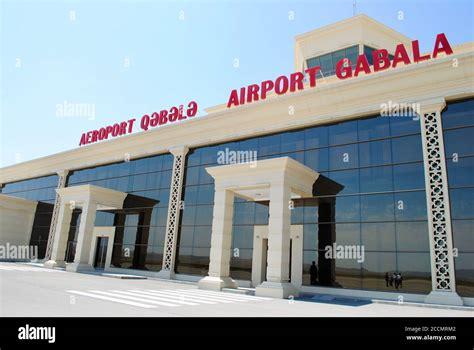
Gabala International Airport has embarked on a bold new chapter in its development with the launch of two strategic international routes—to Abu Dhabi and Moscow—that promise to elevate its profile in the global aviation market. These additions mark a deliberate expansion of Gabala’s operational footprint and align with Azerbaijan’s national objectives to improve international connectivity, drive tourism, and position Gabala as a pivotal hub in the Caucasus region.
The gateway city of Gabala, already renowned for its scenic beauty, cultural heritage, and emerging resort infrastructure, is poised to welcome an influx of international visitors through direct air links to the UAE and Russia, two of the most significant source markets in the region.
Direct Connection to the Gulf: Abu Dhabi to Gabala via Wizz Air
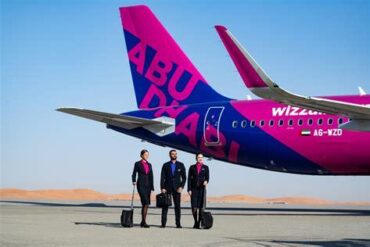
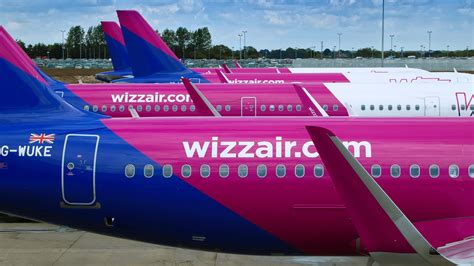
In a major win for regional travel, Wizz Air Abu Dhabi will commence flights between Abu Dhabi and Gabala starting June 19, 2025. Operating on Tuesdays, Thursdays, and Saturdays, this new route reflects a targeted approach to tap into the high-yield Gulf tourism market. As the capital of the UAE, Abu Dhabi is a powerhouse of outbound travel, and its direct linkage to Gabala underscores the strategic alignment between the two destinations.
This service isn’t just a route—it’s a bridge. The flight will unlock quicker access for Emirati and expatriate travelers eager to explore Azerbaijan’s lush mountain landscapes, historical landmarks, and four-season attractions. For Gabala, it means enhanced visibility across Middle Eastern travel corridors, which are known for their strong leisure and luxury travel segments.
The arrival of Wizz Air Abu Dhabi, a budget airline with a growing footprint in Central Asia and the Middle East, also introduces more affordable travel opportunities, making Gabala accessible not just to affluent travelers but to a broader demographic eager to explore a lesser-known gem in Eurasia.
Northern Corridor Reopens: Moscow Flights via IrAero Airlines
Gabala’s growing reputation as a multi-season tourism destination is further solidified by the new Moscow-Gabala-Moscow route by IrAero Airlines, launching July 1, 2025. Scheduled for Wednesdays and Saturdays, this regular connection with Domodedovo International Airport is expected to revive Russian tourism flows, which historically formed a core market segment for Azerbaijan.
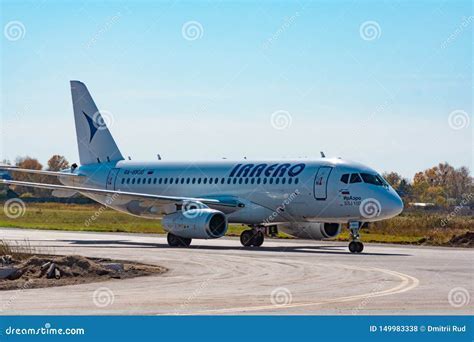
The significance of this route is underscored by the depth of cultural, economic, and tourism ties between Russia and Azerbaijan. Moscow remains one of the most traveled cities in Eurasia, and IrAero’s involvement sends a strong message of confidence in Gabala’s tourism infrastructure and long-term viability as a travel destination.
Beyond tourism, this connection opens further opportunities for business travel, trade engagement, and diplomatic missions, strengthening bilateral relations and facilitating smoother people-to-people ties.
Tourism Surge and Economic Ripple Effects
These routes are expected to significantly impact Gabala’s local economy, especially through tourism-related revenue streams. Hospitality services—from hotels and guesthouses to tour operators and restaurants—stand to benefit from the steady influx of international guests. As flight accessibility improves, so does the region’s attractiveness for foreign investment, real estate development, and cultural exchange.
Gabala’s natural beauty, including the Tufandag Mountain Resort, Nohur Lake, and Gabaland Amusement Park, offers compelling reasons for tourists to extend their stays. With better connectivity, these attractions will no longer remain regional secrets but instead become must-visit destinations for international travelers.

Strategic Airport Development Backed by National Vision
The development of new routes at Gabala International Airport is no isolated incident—it is rooted in Azerbaijan’s comprehensive aviation and transportation strategy. Spearheaded by national aviation authorities and supported by local government, the expansion of Gabala’s air routes is a key element of Azerbaijan’s transport modernization program.
The program’s objectives are multifaceted:
- Enhance regional airport competitiveness
- Improve international tourism flows
- Create alternative hubs to Baku for distributed economic growth
- Support regional integration across the Caucasus, Central Asia, and the Middle East
By offering direct links to international capitals, Gabala Airport transforms from a domestic airstrip into a strategic node within a larger transcontinental air traffic network.
Collaborative Success: Airport Operators and Airlines in Sync
The success of these new routes can be traced to the effective collaboration between Gabala International Airport’s management, Wizz Air Abu Dhabi, and IrAero Airlines. Through joint planning, route negotiation, and infrastructure coordination, all stakeholders have demonstrated a shared commitment to making Gabala more accessible.
Behind the scenes, these achievements required:
- Air traffic capacity expansion and certification
- Terminal upgrades and customs processing streamlining
- Marketing campaigns targeting UAE and Russian travel markets
Such synchronized execution reflects a matured aviation ecosystem, one that is aligned with global best practices and responsive to post-pandemic travel dynamics.
Broader Implications for Azerbaijan’s Aviation Network
The strengthening of Gabala International Airport’s route network complements the wider evolution of Azerbaijan’s aviation sector. While Baku’s Heydar Aliyev International Airport remains the primary hub, Gabala’s strategic rise symbolizes the decentralization of air traffic and diversification of tourist entry points.
This is especially important in:
- Reducing bottlenecks at the capital airport
- Encouraging travel to secondary and tertiary cities
- Maximizing regional tourism potential
As Azerbaijan prepares for a decade of tourism-led growth, airports like Gabala will play a crucial role in enabling inclusive economic development and showcasing the full geographic and cultural spectrum of the country.
Future Outlook: Expanding Beyond Abu Dhabi and Moscow
While the Abu Dhabi and Moscow routes are major milestones, Gabala International Airport’s ambitions extend further. Airport officials have signaled intentions to launch new routes to Central Asia, Eastern Europe, and potentially Southeast Asia, capitalizing on emerging markets and diaspora connections.
Key target destinations under evaluation include:
- Almaty and Tashkent for Central Asian traffic
- Istanbul and Warsaw as Western gateways
- Doha and Riyadh to deepen Gulf penetration
The airport’s operational model is being refined to accommodate a higher flight frequency, diverse aircraft types, and multilingual passenger services, ensuring that future routes will be supported by a scalable and traveler-friendly infrastructure.

Conclusion: A Bold Step Forward for Gabala and Azerbaijan
The introduction of direct flights from Abu Dhabi and Moscow to Gabala marks more than just new travel options—it signals a transformative leap in Azerbaijan’s global connectivity. As Gabala International Airport strengthens its role as an international gateway, it simultaneously boosts regional tourism, accelerates economic diversification, and cements its status as a rising star in Eurasian aviation.
Through careful strategy, airline collaboration, and government support, Gabala is stepping confidently into a future defined by increased mobility, international tourism, and regional leadership in the aviation sector. The journey from a quiet regional terminal to a globally connected airport is now underway—and these new routes are only the beginning.