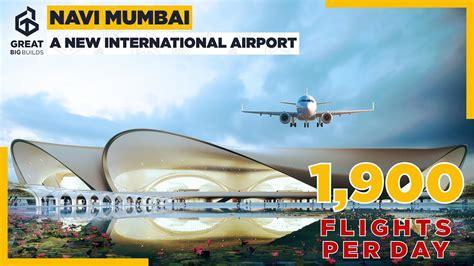
As the world witnesses a rapid evolution in aviation, India’s tourism sector is on the brink of a significant transformation with the anticipated launch of direct flights connecting Navi Mumbai to key destinations in the Gulf: Jeddah, Muscat, and Abu Dhabi. This monumental shift is largely attributed to the forthcoming Navi Mumbai International Airport (NMI), which is slated to open its doors in phases by the end of 2025. The new airport will not only serve as a crucial alternative to the overburdened Chhatrapati Shivaji Maharaj International Airport (BOM) but will also become a pivotal hub for travelers seeking efficient connections to the Middle East and beyond.
The Strategic Importance of Navi Mumbai International Airport
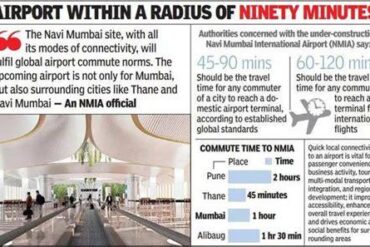
Navi Mumbai International Airport is set to enhance India’s aviation infrastructure significantly. With the capacity to accommodate millions of passengers annually, it aims to alleviate congestion currently plaguing Mumbai’s primary airport. Scheduled routes to Abu Dhabi, Jeddah, Muscat, and Dammam will create vital links between India and the Gulf, catering primarily to the expansive Indian diaspora as well as business travelers.
The establishment of these direct flights represents a game-changing opportunity for the Indian expatriate community, who often travel for work, family visits, or religious purposes. Additionally, the airport will facilitate smoother connections for business travelers, thereby promoting trade and economic ties between India and these Gulf nations. The strategic positioning of Navi Mumbai Airport will not only bolster local tourism but also enhance the overall travel experience for Indian travelers.
Empowering the Indian Diaspora
The Indian diaspora in the Gulf countries is one of the largest in the world, comprising millions of expatriates who contribute significantly to both the Indian economy and their host countries. The introduction of direct flights from Navi Mumbai to cities like Jeddah and Abu Dhabi will empower this community by providing them with greater accessibility and flexibility. Travelers can expect shorter transit times, eliminating the need for layovers that often extend travel duration unnecessarily.
Moreover, these flights will serve as gateways to important religious sites, such as Mecca and Medina, thus facilitating pilgrimage travel for Indian Muslims. By simplifying access to these destinations, the new routes will foster a deeper connection between India and its cultural heritage in the Middle East.
Jewar Airport: A Complementary Development
While Navi Mumbai International Airport is set to revolutionize travel from Mumbai, Jewar Airport, officially known as Noida International Airport, is poised to serve the National Capital Region (NCR). With plans to commence operations by late 2025, Jewar Airport will relieve congestion at Indira Gandhi International Airport (IGI) in Delhi. It aims to connect the NCR with the Gulf region, further enhancing accessibility for travelers from northern India.
Jewar Airport will also feature direct flights to Jeddah, Muscat, and Dammam, ensuring that residents of Delhi, Noida, and Greater Noida have convenient options for international travel. This is particularly significant for those in western Uttar Pradesh and surrounding areas, who have long relied on IGI for international connectivity. The airport’s strategic focus on Gulf routes underscores the importance of religious tourism and labor migration for the region.
Connecting Tier-2 Cities to the Gulf
India’s commitment to improving air connectivity is not limited to major metropolitan areas. There is an increasing emphasis on connecting tier-2 cities to international destinations, particularly in the Gulf. Cities like Bhopal and Indore are set to receive new flights to Muscat, which will mark a significant advancement in international travel options for regions that have traditionally been underserved.
This development aligns perfectly with the Indian government’s vision to enhance regional air connectivity. By providing direct flights from smaller cities, travelers will experience reduced travel times and increased economic opportunities. The growing significance of Oman as a destination for Indian workers and businesspeople further emphasizes the need for these direct connections, making travel more accessible and convenient for many.
The Role of IndiGo Airlines
In conjunction with the opening of Navi Mumbai and Jewar Airports, IndiGo Airlines is making bold moves to expand its international presence. The airline has announced plans to introduce new routes, including those targeting the UK market, while simultaneously enhancing its operations in the Gulf region. This expansion strategy is poised to create a competitive environment, allowing passengers to choose from a wider array of flight options.
IndiGo’s focus on the Gulf is particularly relevant given the substantial demand for air travel from India to destinations such as Saudi Arabia and the UAE. By offering non-stop flights, the airline aims to cater to the needs of travelers seeking efficient and cost-effective travel solutions, thus reinforcing its position as a leading player in international aviation.
Economic Implications for Indian Tourism
The anticipated direct flights from Navi Mumbai and Jewar Airports will have profound implications for the Indian tourism sector. With enhanced connectivity to the Gulf, Indian travelers will enjoy greater access to various attractions, business opportunities, and cultural experiences. This surge in travel options is expected to stimulate tourism-related businesses, including hospitality, transportation, and retail, leading to job creation and economic growth.
Moreover, the influx of travelers from the Gulf countries into India will likely increase tourism revenue, benefiting local economies and promoting cultural exchange. As India continues to strengthen its global aviation footprint, the focus on tourism will be integral to sustaining economic growth and enhancing its reputation as a leading travel destination.
A Bright Future Ahead
The developments surrounding Navi Mumbai and Jewar Airports signify a transformative era for India’s aviation landscape. These new airports, along with the introduction of direct flights to key Gulf destinations, are set to redefine the travel experience for millions of Indians. As the country positions itself as a global hub for aviation, these changes will not only alleviate congestion at existing airports but also create exciting new opportunities for travelers.
As we look toward the future, the potential for growth in the aviation sector remains vast. With a focus on expanding regional connectivity and enhancing international routes, India is well on its way to becoming a central player in global air travel. The anticipated launch of direct flights to Jeddah, Muscat, and Abu Dhabi will undoubtedly transform Indian tourism, opening up new avenues for exploration and cultural exchange.
As travelers prepare for this new era of air travel, they can expect enhanced convenience, better access to international markets, and a richer travel experience that reflects the dynamic nature of modern India.