Navi Mumbai International Airport (NMI) is on the brink of revolutionizing the aviation landscape in India, particularly alleviating the chronic congestion at Chhatrapati Shivaji Maharaj International Airport (CSMIA) in Mumbai. With the first phase of construction set to open by the end of August 2025, this ambitious project aims to redefine air travel efficiency and passenger experience in one of the country’s busiest regions. The airport’s strategic location and cutting-edge infrastructure position it as a vital alternative for both domestic and international travelers.
The Vision: Expanding Capacity and Redefining Travel
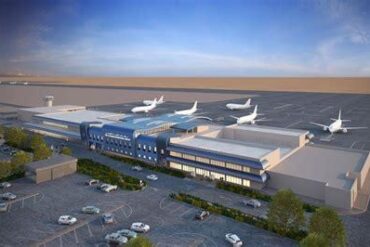
The initial phase of Navi Mumbai Airport is designed to handle between 8 to 10 air traffic movements per hour, with a long-term capacity target of accommodating approximately 20 million passengers annually. This initial phase represents only the beginning of what is expected to be a transformative journey for air travel in the region. With its grand vision, the airport’s second phase is set to commence construction in October 2025, promising to add a second terminal and runway that will significantly boost passenger capacity to 35 million annually upon completion. This expansion is not just necessary; it is crucial, as existing facilities struggle to keep pace with growing demand.
What’s in Store for Phase Two?
The second phase of Navi Mumbai Airport is not merely an expansion; it is a leap towards establishing a world-class aviation hub. Key components of this phase include:
- Traffic Capacity Expansion: Initially, the airport will manage air traffic movements at a rate of 8-10 per hour, with plans to ramp this up to 30 movements by April 2026. Although the single runway can technically accommodate 45 flights per hour, existing terminal limitations necessitate the construction of a second terminal.
- Additional Runway and Terminal: The addition of a second terminal and runway is pivotal for enhancing operational efficiency and accommodating more flights and passengers. This strategic move aims to ease the pressure on Mumbai’s congested airport, which is increasingly struggling to meet the demands of both local and international air traffic.
- Modular Construction Approach: Utilizing modular construction techniques, the expansion will ensure minimal disruption to ongoing operations. This innovative approach enables the airport to maintain daily operations without significant interruptions while new facilities are developed, ensuring that both infrastructure and operational capabilities evolve in tandem with passenger needs.
Innovations to Enhance Passenger Experience
At the forefront of the Navi Mumbai Airport’s development is a commitment to improving passenger experience through cutting-edge technology. Among the notable innovations are:
- Digi Yatra Integration: This contactless digital solution allows travelers to complete check-in, security, and boarding processes via facial recognition technology, significantly minimizing wait times and streamlining the travel experience.
- Adani One App: The Adani One app is poised to enhance passenger convenience by providing real-time information such as walking distances to boarding gates and estimated wait times at various checkpoints. This digital push is part of the airport’s broader strategy to optimize the passenger journey and overall operational efficiency.
Advanced Security Features for a Safer Journey
In alignment with global standards, Navi Mumbai Airport will incorporate the latest security technologies to enhance safety and expedite the travel process. Planned features include:
- Body Scanners and CT X-ray Machines: These advanced systems allow passengers to leave electronic devices and laptops in their cabin baggage during security screening, thus speeding up the process without compromising safety.
A Strategic Alternative to Mumbai’s Congested Airport
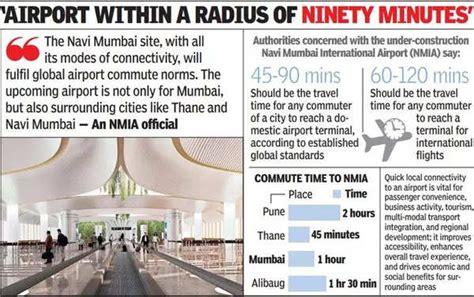
As CSMIA grapples with increasing congestion levels, Navi Mumbai International Airport emerges as a strategic alternative. Located just 35 kilometers from the heart of Mumbai, the new airport offers a much-needed respite for travelers. Its development is crucial for improving regional connectivity, providing additional options for air travel both within Maharashtra and beyond. The emergence of key airlines like IndiGo and Akasa Air planning operations from this new facility signals a bright future for air travel in the region.
Timeline and Key Milestones
The Navi Mumbai Airport project has seen steady progress, with significant milestones on the horizon. As the first phase nears completion, attention turns to the second phase, which is vital for transforming the airport into a world-class facility. Key milestones include:
- October 2025: Preparatory works for the second phase will commence, including essential soil testing and excavation.
- 2026: The construction of the second terminal and runway is slated to begin, reinforcing the infrastructure needed to support the anticipated increase in air traffic.
- 2029: The second phase is expected to be completed, enabling the airport to handle up to 35 million passengers annually, reflecting the urgent need to cater to growing aviation demands.
Conclusion: A New Era for Navi Mumbai Airport
As the second phase of Navi Mumbai International Airport kicks off in October 2025, the future of air travel in the region appears promising. With its state-of-the-art infrastructure, advanced technologies, and unwavering commitment to passenger satisfaction, this new airport is poised to alleviate the burdens on Mumbai’s overcrowded terminals. It stands ready to offer travelers a smoother, more efficient experience, heralding a new era in Indian aviation. Whether a frequent flyer or someone planning a future trip, the impact of Navi Mumbai Airport will undoubtedly be felt across the aviation landscape, positioning it as a critical player in enhancing the overall air travel experience in India.