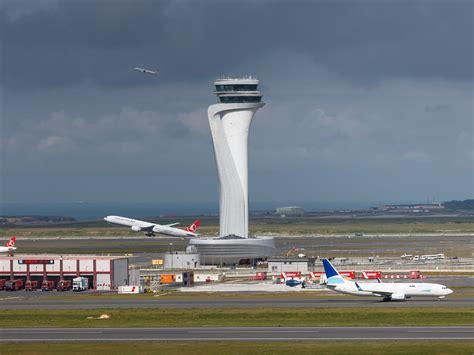
Air travel is entering a new phase of infrastructure development. Across North America, Europe, Asia, and Australia, major airport terminals and entirely new airports are reaching critical milestones in 2026, reshaping how passengers move through global aviation networks. These projects are not simply expansions designed to accommodate more passengers. They represent a strategic rethinking of airport design, airline connectivity, passenger experience, and long-term aviation growth.
Airports are evolving into sophisticated mobility hubs where efficiency, architecture, sustainability, and technology converge. The new terminals opening or launching operations in 2026 illustrate how the aviation industry is adapting to a world of rising passenger demand, new long-haul aircraft capabilities, and increasingly complex airline alliances.
From New York’s sweeping modernization at John F. Kennedy International Airport to Vietnam’s ambitious Long Thanh International Airport, these infrastructure projects reveal how countries are preparing for the next era of global connectivity. Each development addresses a specific challenge: outdated facilities, congested hubs, curfew restrictions, or regional growth pressures. Yet together they signal a broader transformation that will influence flight networks, airline strategy, and passenger expectations for decades.
The airport terminals emerging in 2026 therefore represent far more than architectural achievements. They mark a turning point in how global air travel infrastructure is built, organized, and experienced.
JFK’s New Terminal One: Rebuilding America’s Most Important Gateway
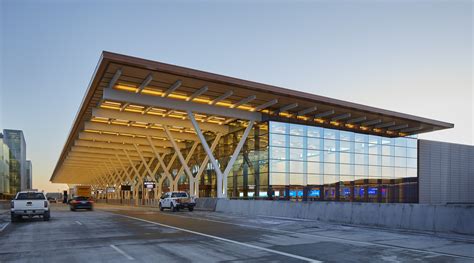
Few airport infrastructure projects in the United States match the scale and ambition of JFK Airport’s New Terminal One. Located on the south side of the airport, the massive facility is being constructed on the site previously occupied by the original Terminal 1 along with the demolished Terminals 2 and 3. The project forms the centerpiece of a $19 billion transformation of John F. Kennedy International Airport, one of the world’s most important intercontinental aviation hubs.
The terminal itself carries an estimated price tag of $9.5 billion, underscoring its central role in reshaping New York’s international aviation gateway. Once completed, the building will become the largest terminal at JFK, consolidating a significant share of the airport’s international operations into a modern facility designed specifically for the demands of contemporary widebody aircraft.
This design focus reflects a shift in airline operations. Modern long-haul aircraft such as the Airbus A350, Boeing 787 Dreamliner, and Boeing 777 dominate intercontinental routes, requiring terminals optimized for widebody gate capacity and efficient passenger flows. New Terminal One addresses this challenge directly by incorporating 22 widebody-capable gates, dramatically expanding the airport’s ability to accommodate international departures and arrivals.
Equally important is how the terminal integrates into the broader redevelopment of JFK. Alongside improvements to Terminal 4, Terminal 8, and the construction of Terminal 6, the project also includes redesigned roadways, enhanced transit links, and upgraded airport infrastructure. The goal is to eliminate the fragmented layout that has long characterized JFK and replace it with a cohesive airport system designed around modern passenger expectations.
For travelers, this transformation promises smoother transfers, shorter walking distances, improved security processing, and a vastly upgraded terminal environment. For airlines, it provides expanded capacity at one of the most strategically important airports for transatlantic and global aviation routes.
Terminal 6 at JFK: A Compact Yet Strategic International Hub
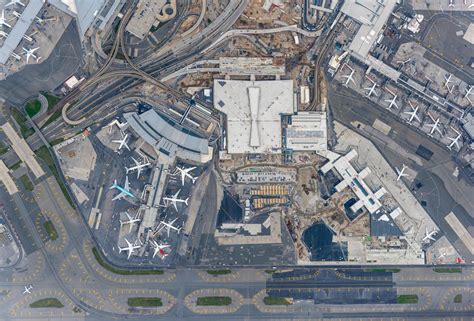
While the New Terminal One dominates headlines due to its sheer size, Terminal 6 at JFK represents a different but equally significant piece of the airport’s modernization puzzle. Scheduled to begin opening in phases during 2026, the terminal will ultimately deliver a 1.2-million-square-foot facility designed around speed, efficiency, and passenger convenience.
Built on the footprint of the former Terminals 6 and 7, the new facility will eventually include 10 gates, with nine capable of accommodating widebody aircraft. Though smaller than the New Terminal One, Terminal 6 plays a crucial role in improving operational flexibility and airline connectivity at the airport.
A defining feature of the terminal is its passenger-centric design philosophy. JFK Millennium Partners, the consortium responsible for the project, has emphasized a layout where passengers can reach any gate within five minutes of leaving the security checkpoint. This contrasts sharply with the long walking distances that have historically frustrated travelers in many older terminals.
Technology also plays a central role. Terminal 6 incorporates:
- Automated baggage handling systems
- Advanced TSA security screening technology
- Modern customs and border control facilities
- Rooftop solar energy installations
- A curated public art program celebrating New York City culture
Airline participation reveals the terminal’s strategic importance. JetBlue will anchor operations, benefiting from a direct connection to Terminal 5, while international carriers including Lufthansa, SWISS, Cathay Pacific, Air Canada, ANA, and TAP Air Portugal have committed to operating there. The combination creates a unique mix of transatlantic and transpacific connectivity within a compact environment designed for efficiency.
The result is not merely a replacement terminal but a reengineered international gateway that improves airline partnerships and passenger flows at one of the busiest airports in the United States.
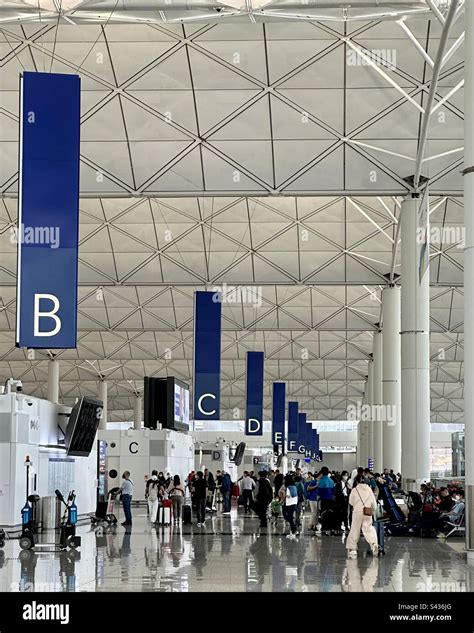
Hong Kong International Airport Terminal 2: Expanding Asia’s Aviation Powerhouse
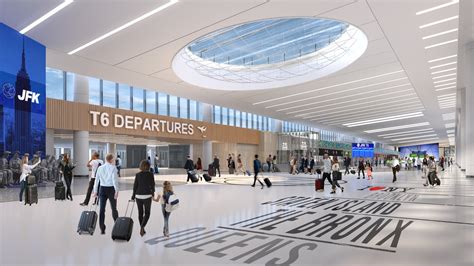
Hong Kong International Airport has long ranked among the world’s most efficient and strategically important aviation hubs. In 2026, the reopening of Terminal 2’s passenger departure facilities marks a major step in the airport’s continued evolution.
Scheduled to reopen on May 27, 2026, the terminal represents far more than the return of an existing building. It forms a key component of Hong Kong’s three-runway expansion project, a massive infrastructure program designed to maintain the city’s role as one of Asia’s leading aviation centers.
The newly redeveloped Terminal 2 will serve primarily regional and short-haul airlines, redistributing passenger traffic across the airport’s facilities. Approximately 15 airlines will relocate check-in operations to the terminal during the initial opening phase.
This strategic shift allows Terminal 1—traditionally the airport’s main international hub—to focus on long-haul flights while Terminal 2 handles regional services. Airlines expected to operate from the terminal include:
- HK Express
- Hong Kong Airlines
- Greater Bay Airlines
Passengers will also experience a highly integrated transport environment. The terminal connects directly to the Airport Express rail line, bus services, and a covered pedestrian walkway to nearby parking facilities, ensuring seamless access to the airport.
Technology-driven design lies at the heart of the redevelopment. The terminal incorporates smart departure facilities, advanced passenger processing systems, and optimized check-in flows, all aimed at improving efficiency as Asian air travel continues its rapid post-pandemic recovery.
In effect, Terminal 2 strengthens Hong Kong’s ability to handle growing regional traffic while maintaining its reputation as one of the world’s most advanced airport hubs.
Long Thanh International Airport: Vietnam’s Future Aviation Megahub
Vietnam’s aviation market has expanded rapidly over the past two decades, driven by economic growth, tourism demand, and the rise of low-cost carriers. Yet Tan Son Nhat International Airport in Ho Chi Minh City has long struggled with severe congestion, operating near its maximum capacity within the limits of its urban location.
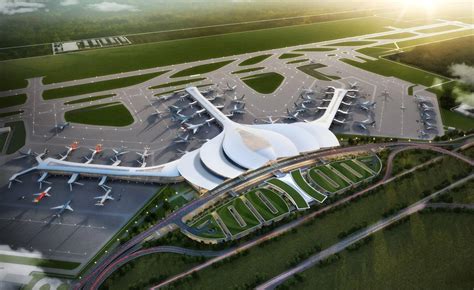
The solution is the construction of Long Thanh International Airport, a completely new aviation hub located approximately 25 miles east of Ho Chi Minh City. The airport represents one of the most ambitious infrastructure projects in Southeast Asia.
Phase 1 of the development includes a passenger terminal capable of handling 25 million passengers annually, along with facilities designed to process 1.2 million tonnes of cargo each year. While this capacity alone is substantial, it represents only the beginning of a much larger vision.
At full buildout, Long Thanh is planned to handle up to 100 million passengers annually, placing it among the world’s largest airports. Such scale reflects Vietnam’s expectation that aviation will remain a central driver of economic development and international connectivity.
The terminal’s design also carries symbolic meaning. Created by Heerim Architects, the building draws inspiration from the lotus flower, a national symbol of Vietnam. This architectural motif transforms the airport into more than a functional infrastructure project—it becomes a cultural landmark representing the country’s ambitions on the global stage.
Commercial operations are currently targeted for late 2026, though construction timelines continue to evolve. Once operational, Long Thanh will gradually absorb international traffic from Tan Son Nhat, relieving congestion while enabling future route expansion.
For airlines, the airport offers modern facilities designed for next-generation aircraft and high passenger throughput. For Vietnam, it represents a strategic investment in long-term aviation growth and global economic integration.
Western Sydney International Airport: Australia’s First 24-Hour Aviation Hub
For decades, Sydney Kingsford Smith Airport has served as the primary gateway to Australia’s largest city. However, strict night curfews and limited expansion space have constrained its ability to accommodate growing demand.
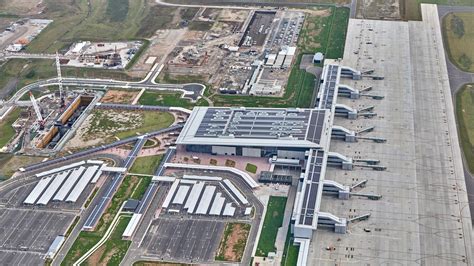
The opening of Western Sydney International Airport in the second half of 2026 will fundamentally change that dynamic. Located in Badgerys Creek, approximately 27 miles from central Sydney, the new airport will become the city’s first major aviation hub built in decades.
Unlike Kingsford Smith, Western Sydney International will operate 24 hours a day without curfew restrictions, creating new opportunities for airlines to schedule flights at times previously unavailable in Sydney’s aviation system.
Initial capacity will support approximately 10 million passengers per year, but the airport is designed for long-term expansion that could eventually exceed 80 million passengers annually. This scalable infrastructure ensures the airport can grow alongside the rapidly expanding population of western Sydney.
Several major airlines have already committed to operating at the airport, including:
- Qantas
- Jetstar
- Singapore Airlines
- Air New Zealand
The presence of these carriers indicates strong industry confidence in the airport’s potential as a future regional aviation hub.
Beyond its operational advantages, Western Sydney International has been designed as a next-generation airport emphasizing sustainability, passenger experience, and advanced digital systems. Smart infrastructure, modern terminal architecture, and integrated transportation links will ensure the facility supports both domestic and international travel.
For Sydney, the airport represents a structural transformation of the region’s aviation capacity, enabling the city to compete more effectively with major Asia-Pacific hubs.
Munich Airport Terminal 1 Pier: Strengthening Europe’s International Connectivity
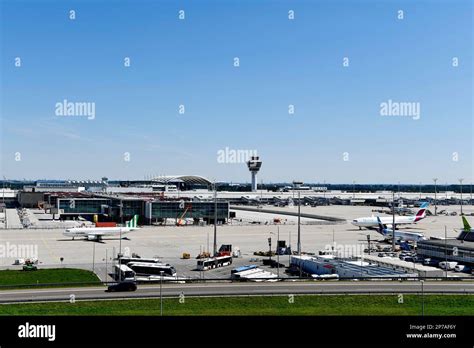
While some airports are opening entirely new terminals, others are expanding existing facilities to increase capacity. Munich Airport’s new Terminal 1 pier represents one of Europe’s most concrete examples of this strategy.
Officially opening on April 13, 2026, the pier adds significant infrastructure to support non-Schengen international flights, which have grown steadily in recent years.
The project represents an investment of approximately €665 million and extends nearly 1,180 feet into the west apron of the airport. The structure is capable of accommodating either 12 short- and medium-haul aircraft or six widebody jets simultaneously, providing flexible operational capacity for airlines serving long-distance destinations.
This expansion increases Terminal 1’s capacity by up to six million passengers annually, ensuring Munich can continue to grow its international network without constructing an entirely new terminal complex.
Passenger experience also receives a major upgrade. The pier includes new dining concepts, premium lounges, and modern retail spaces, transforming one of the airport’s older operational areas into a contemporary travel environment aligned with global hub standards.
For Munich Airport, the new pier reinforces its position as one of Europe’s most efficient and passenger-friendly international gateways, particularly for travelers flying beyond the Schengen Area.
Why 2026 Marks a Turning Point for Global Airport Infrastructure
Examined individually, each terminal opening in 2026 addresses a specific challenge—capacity constraints, aging infrastructure, regional growth, or operational limitations. Viewed collectively, however, these projects reveal a broader transformation in global airport strategy.
Several trends define this shift.
First, airports are increasingly designed around widebody aircraft and long-haul connectivity, reflecting the continued expansion of international travel markets.
Second, terminal architecture now prioritizes passenger flow efficiency, using advanced security screening, automated baggage systems, and optimized layouts to reduce congestion and travel stress.
Third, airports are becoming multi-modal transportation hubs, integrating rail links, road networks, and urban infrastructure to create seamless mobility systems.
Finally, sustainability and digital technology are emerging as core design principles, shaping everything from energy systems to passenger processing.
The result is a new generation of airport terminals that function not merely as transportation facilities but as complex global gateways connecting cities, economies, and cultures.
As these terminals open throughout 2026, they will influence airline route planning, passenger expectations, and airport development strategies around the world. The aviation industry’s next chapter is already taking shape—one runway, gate, and terminal at a time.
Frequently Asked Questions
Which new airport terminal is the largest opening in 2026?
The New Terminal One at John F. Kennedy International Airport is among the largest projects, featuring 22 widebody gates and forming part of a $19 billion airport redevelopment.
Which completely new airport is opening in 2026?
Western Sydney International Airport in Australia and Long Thanh International Airport in Vietnam represent entirely new aviation hubs expected to begin operations around 2026.
Why are airports building new terminals now?
Airports are expanding to accommodate growing passenger demand, modern aircraft requirements, and improved passenger experience standards, while also replacing outdated infrastructure.