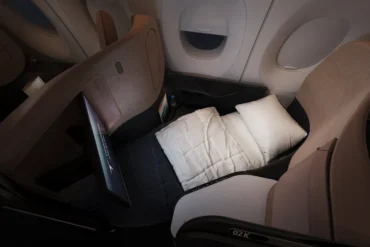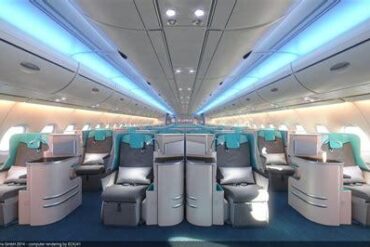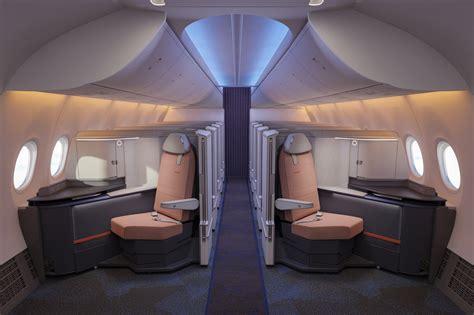
The Boeing 787 Dreamliner has long been a symbol of modern long-haul efficiency, but in 2026 and 2027, it becomes something more ambitious: a global showcase for next-generation business class innovation. Airlines are no longer competing solely on schedules or pricing—they are engaged in a high-stakes battle over privacy, personalization, and premium experience design. The result is a wave of entirely new business class suites that redefine expectations at 35,000 feet.
What makes this moment particularly compelling is not just the introduction of incremental upgrades, but a philosophical shift in how premium cabins are conceived. Airlines are blending residential design cues, cutting-edge technology, and hospitality-driven service models to create cabins that feel less like transportation and more like curated environments.
By examining six of the most important new business class suites debuting on Boeing 787 aircraft, a clear narrative emerges: the future of long-haul travel is deeply personal, highly immersive, and unapologetically premium.
United Polaris 2.0: A Strategic Reinvention of American Premium Travel
United Airlines is not aiming for subtle improvement—it is executing a full-scale reinvention of its long-haul identity. The introduction of the Polaris 2.0 suite, part of the airline’s “Elevated Interior” program, signals a deliberate move to reclaim leadership in the premium segment.
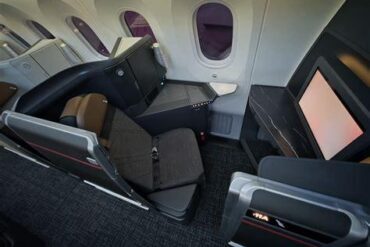
The new Polaris suites bring sliding privacy doors, significantly larger inflight entertainment screens, and refined materials that elevate the tactile experience. But the true centerpiece is the introduction of the Polaris Studio, a concept that pushes the boundaries of what business class can offer without crossing into first-class territory.
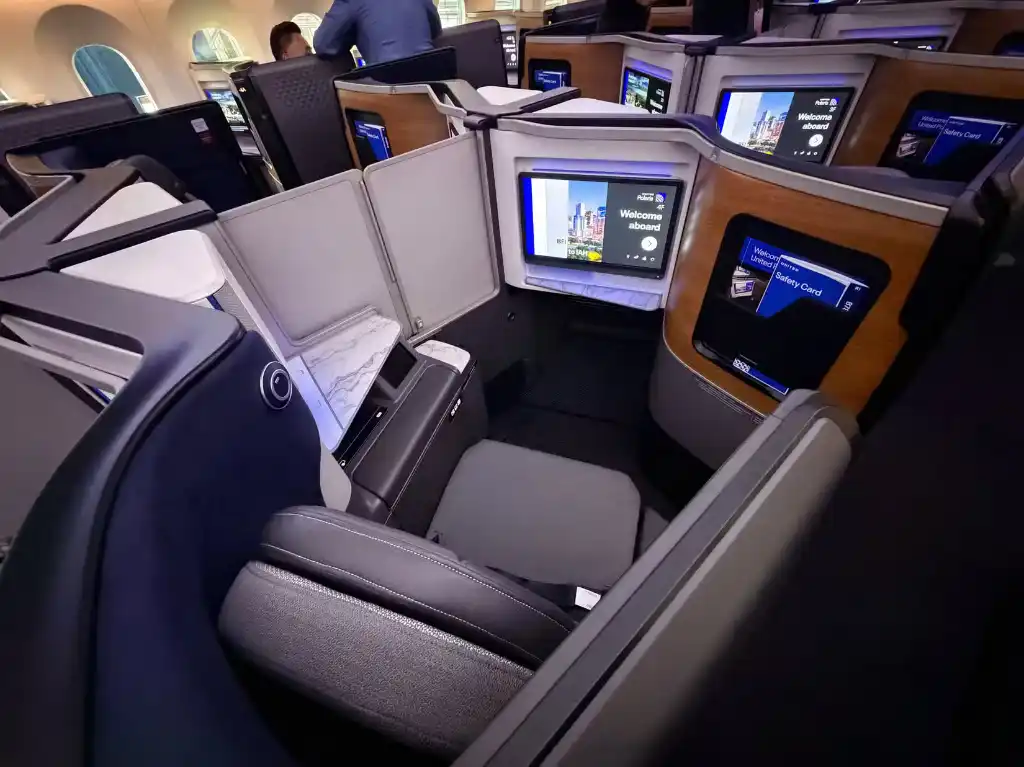
These Studio suites are 25% larger, anchored by a stunning 27-inch 4K OLED display, the largest ever installed on a U.S. airline. Positioned in the first rows of the cabin, they offer enhanced dining, upgraded amenity kits, and a spatial experience that feels distinctly exclusive.
Beyond the seat itself, United’s redesign emphasizes cohesion across the entire aircraft. With 99 premium seats on select 787-9 configurations, the airline is betting heavily on premium-heavy routes such as San Francisco to Singapore and London. This is not just a cabin refresh—it is a calculated strategy to align product quality with global demand trends.
ANA “THE Room FX”: A Radical Departure from Convention
If United represents evolution, All Nippon Airways represents disruption. The new “THE Room FX” suite challenges deeply ingrained assumptions about what a business class seat should be.
Rather than relying on traditional recline mechanics, the FX seat introduces a fixed-shell design with a pre-reclined backrest, allowing passengers to lounge in multiple positions—much like a sofa in a modern living room. It’s a bold move, and not without controversy.
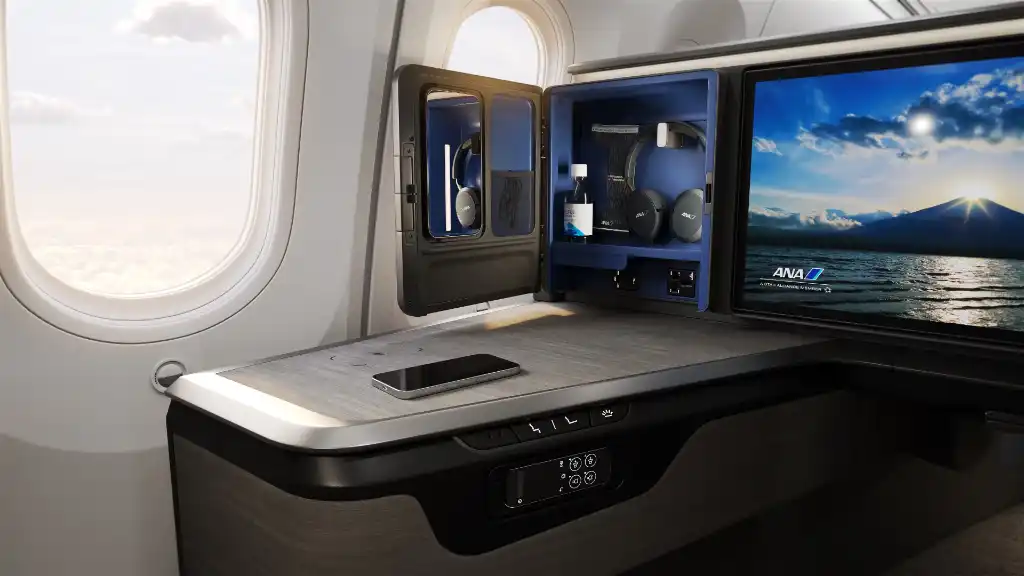
The cabin layout further amplifies this unconventional approach. By alternating forward- and rear-facing seats, ANA and seat manufacturer Safran have optimized the Dreamliner’s cabin space to create a remarkably open and spacious feel—one that rivals larger widebody aircraft.
Despite skepticism, the suite delivers where it matters:
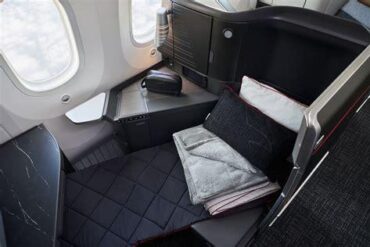
- Fully flat sleeping surface (76.5 inches)
- Exceptional width up to 41.5 inches
- Full privacy doors and aisle access
This is a product that doesn’t just compete—it redefines the conversation. ANA is effectively asking travelers to rethink comfort itself, shifting from mechanical recline to adaptive lounging ergonomics.
Riyadh Air Business Class: Precision Luxury Meets Bold Ambition
Riyadh Air enters the market with something rare: a completely blank canvas. Without legacy constraints, the airline has crafted a business class experience that feels both meticulously engineered and unapologetically luxurious.
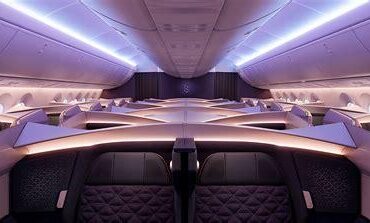
Built around Safran’s Unity suite platform, the cabin features a consistent 1-2-1 layout, ensuring direct aisle access for every passenger. But the differentiation lies in execution—particularly in the Business Elite front row suites.
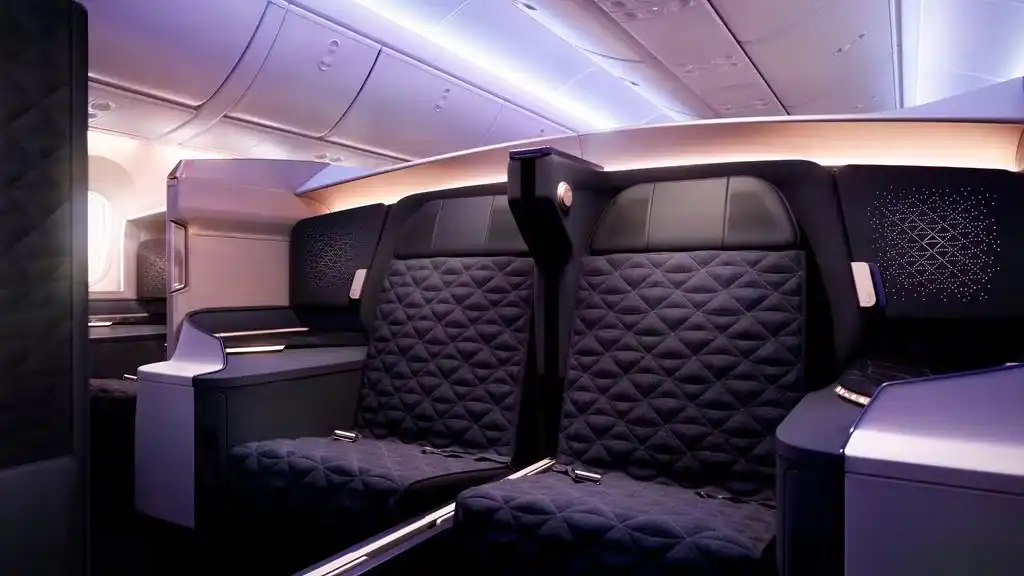
These elite suites elevate the experience with 32-inch 4K OLED screens, towering 52-inch privacy walls, and a level of visual polish that rivals boutique hotel interiors. Even the standard suites maintain impressive specs, including USB-C connectivity, wireless-ready environments, and full lie-flat beds stretching 78 inches.
The design language reflects a broader ambition: positioning Riyadh as a global aviation hub that competes directly with established Gulf carriers. Every element—from lighting to materials—feels intentional, reinforcing a brand identity centered on modern Arabian luxury.
Alaska Airlines: A Boutique Approach to Long-Haul Comfort
Alaska Airlines takes a different path. Rather than chasing sheer opulence, it focuses on delivering a thoughtfully curated, hospitality-driven experience that feels authentic to its brand.
The new business class suites emphasize comfort, simplicity, and personalization. Each seat includes a privacy door, lie-flat functionality, and direct aisle access, but avoids overcomplication. The technology suite is robust yet unobtrusive, featuring 18-inch HD screens, wireless charging, and Starlink WiFi.
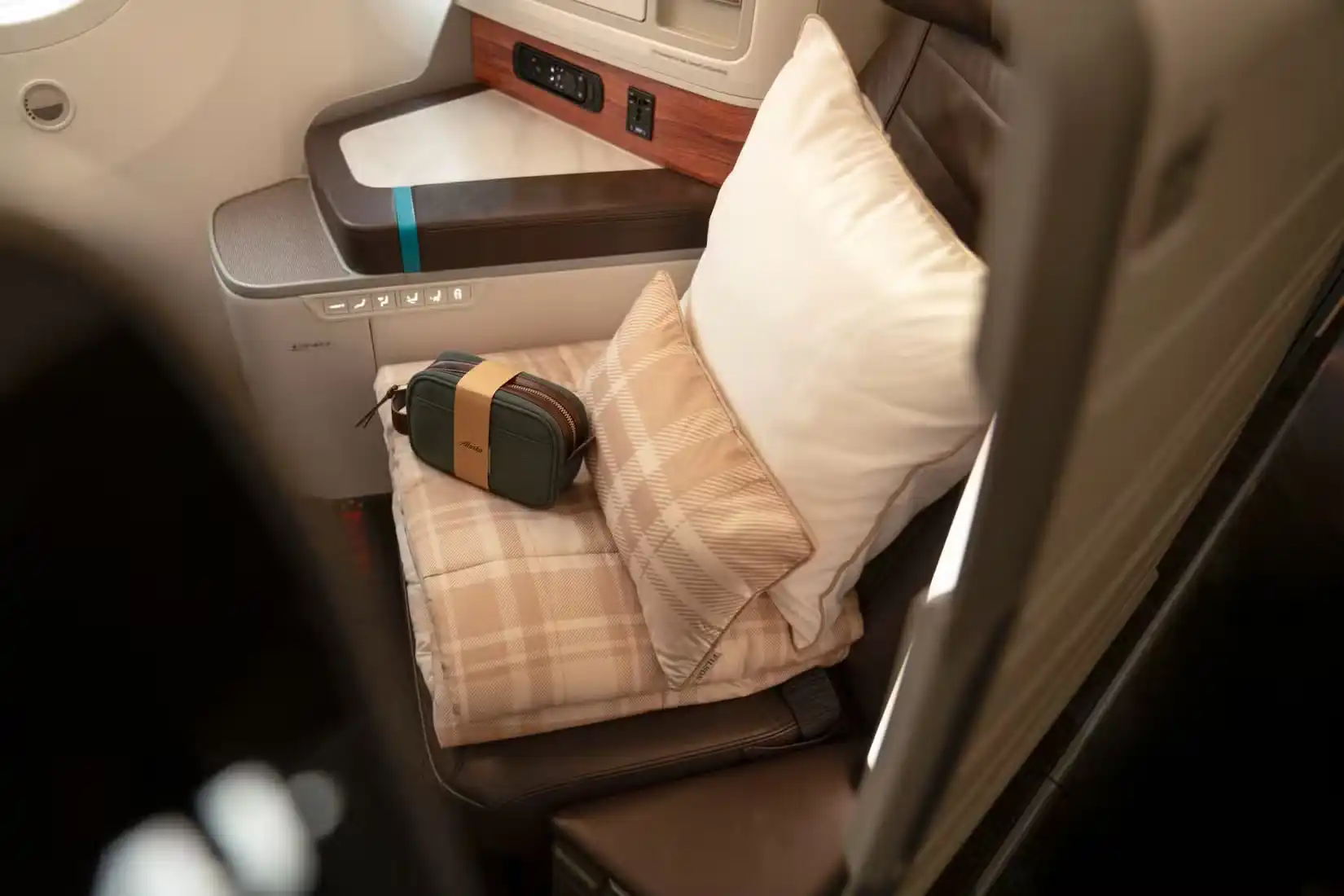
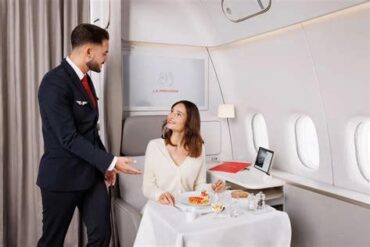
What truly distinguishes Alaska’s approach is its culinary strategy. Passengers are treated to restaurant-style dining with up to six entrée choices, often inspired by destinations and crafted using locally sourced ingredients. The experience continues upon arrival, with regionally themed meals that extend the journey beyond the flight itself.
This is a cabin designed not to overwhelm, but to resonate emotionally. It demonstrates that luxury is not always about scale—it can be about thoughtfulness and narrative continuity.
LOT Polish Airlines: A Complete Transformation of Legacy Design
LOT Polish Airlines is undertaking one of the most significant overhauls in its history, replacing outdated cabin configurations with a modern, design-forward business class product.
The introduction of RECARO CL6720 seats marks a decisive shift from the airline’s previous 2-2-2 layout to a fully competitive 1-2-1 configuration. Every passenger gains direct aisle access, while the addition of privacy doors and expanded storage brings the product in line with global standards.
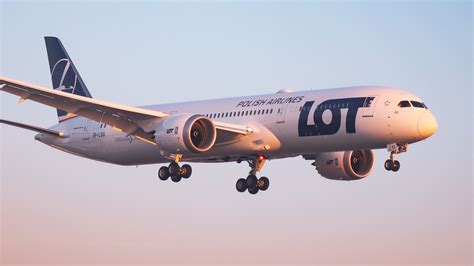
What sets LOT apart is its commitment to cultural storytelling through design. Developed in collaboration with the British agency Tangerine, the cabin draws inspiration from Poland’s natural landscapes, incorporating subtle textures and color palettes that evoke national identity.
This is more than modernization—it is brand reinvention. By aligning hardware upgrades with a strong visual narrative, LOT is transforming its Dreamliner fleet into a flagship representation of Polish innovation and hospitality.
American Airlines Flagship Suite: Refinement with Competitive Edge
American Airlines approaches its new Flagship Suite with a clear objective: to close competitive gaps while enhancing consistency across its fleet. The result is a business class product that feels both familiar and significantly upgraded.
The suite introduces privacy doors, wireless charging, and expanded personal storage, alongside a refined seating design optimized for both work and rest. While the baseline product is strong, the standout feature is the Flagship Suite Preferred—a premium subset offering additional space and exclusive amenities.
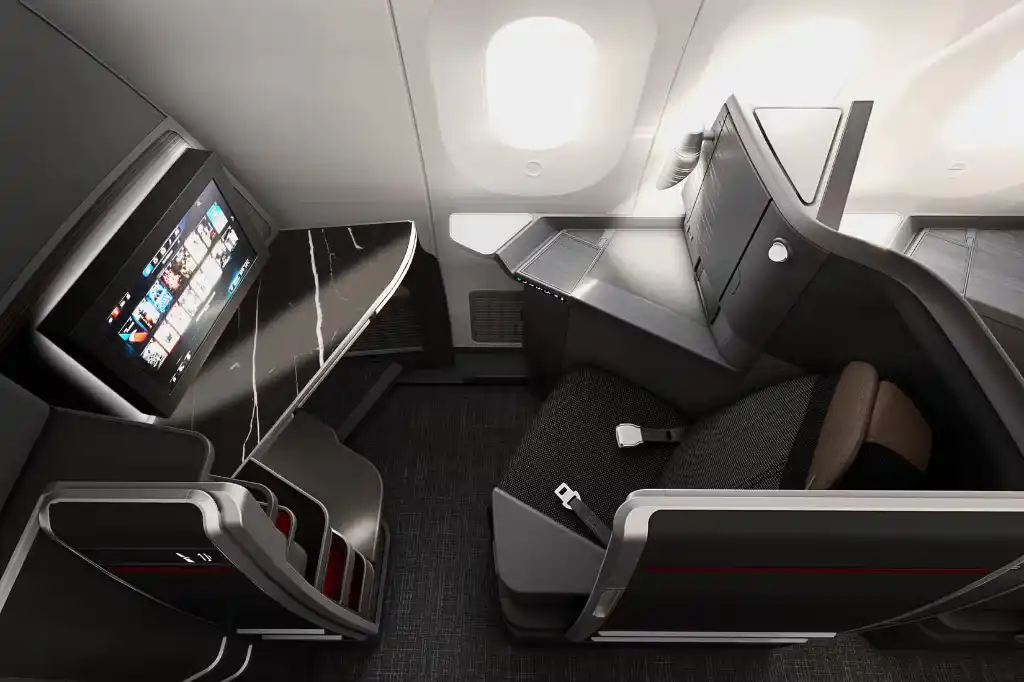
Positioned at the front of the cabin, these preferred suites cater to travelers seeking a heightened level of comfort without stepping into first class. It’s a strategic move that mirrors similar offerings from competitors, ensuring American remains relevant in a rapidly evolving market.
Importantly, this suite is not confined to the 787. Its rollout across aircraft like the Airbus A321XLR signals a broader commitment to product standardization and brand coherence.
The Bigger Picture: Why These Suites Matter
Individually, each of these products is impressive. Collectively, they reveal a deeper shift in aviation:
- Privacy is no longer optional—it is a baseline expectation.
- Technology is becoming immersive, not just functional.
- Cabin design is increasingly residential, borrowing from architecture and interior design.
- Differentiation now lies in experience, not just seat dimensions.
The Boeing 787, with its flexible cabin architecture and passenger-friendly features, has become the ideal platform for this transformation. Airlines are leveraging its capabilities to create distinct identities within a shared airframe.
Perhaps most importantly, these developments reflect a broader truth: premium travel demand is not just resilient—it is expanding. Airlines are responding by investing in products that do more than transport passengers—they engage, comfort, and impress them.
A New Era of Dreamliner Excellence
The business class suites debuting in 2026 and 2027 mark the beginning of a new era for the Boeing 787. No longer just a fuel-efficient workhorse, the Dreamliner is evolving into a canvas for innovation and luxury.
From United’s ambitious Polaris Studios to ANA’s boundary-pushing Room FX, from Riyadh Air’s polished elegance to Alaska’s boutique charm, each product tells a different story. Yet they all converge on a single idea: the future of flight is deeply human-centered.
For travelers, this means more than just better seats. It means greater control over space, improved rest, richer entertainment, and a sense of being genuinely cared for. And for airlines, it raises the stakes—because once passengers experience this level of refinement, there is no going back.
The sky, it seems, is no longer the limit. It is just the beginning.