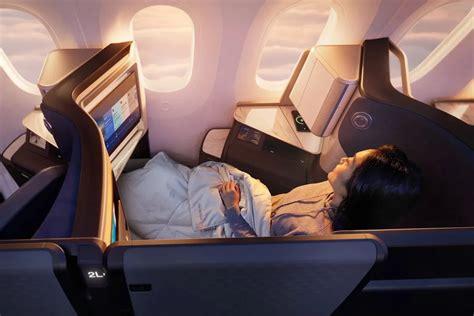
The global airline industry is entering a new phase of premium cabin competition. For years, business class seats evolved gradually—slightly wider beds, better entertainment screens, and improved privacy. But by 2026, airlines across North America, Europe, the Middle East, and Asia-Pacific are introducing a generation of business class suites designed to rival first-class cabins of the past.
This shift reflects several powerful trends shaping aviation today. Airlines are investing heavily in privacy doors, residential-style seating, advanced connectivity, and modular cabin layouts. Meanwhile, aircraft manufacturers are enabling new possibilities with long-range narrowbody jets, lighter seat structures, and digitally integrated cabins.
The result is a wave of innovations that will transform how passengers experience long-haul travel. From Air Canada’s narrowbody Signature Class suites to Riyadh Air’s high-tech Dreamliner flagship cabin, these new seats are designed to balance luxury, efficiency, and technological sophistication.
The following seven products represent the most important new business class seats entering service in 2026, ranked according to innovation, scale, passenger experience, and industry impact.
7. Air Canada A321XLR Signature Class: Bringing Widebody Luxury to Narrowbody Flights
Air Canada is taking a bold step with the arrival of its Airbus A321XLR fleet, introducing a true long-haul business class experience on a single-aisle aircraft. Traditionally, narrowbody jets used on transcontinental routes offered either reclining seats or simplified lie-flat products. The A321XLR changes that equation.
Instead of treating the aircraft as a typical short-haul workhorse, Air Canada is positioning it as a premium long-range platform. The airline plans to deploy these aircraft on routes that are too thin for widebody jets but still demand premium comfort, such as flights between Toronto Pearson International Airport, Montréal–Trudeau International Airport, and destinations across Europe.
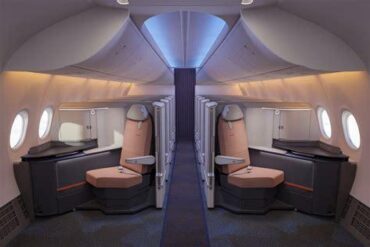
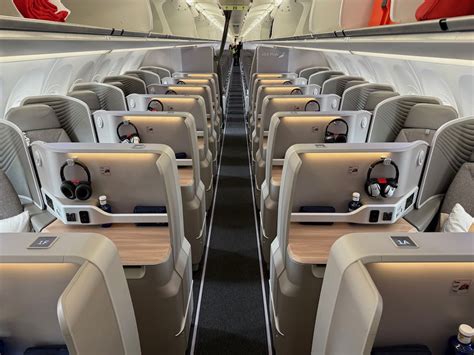
The aircraft will feature 14 Signature Class suites in a 1-1 configuration, giving every passenger direct aisle access. Early design previews suggest the seat is based on the Collins Aerospace Aurora mini-suite platform, which has been engineered specifically for narrowbody cabins.
Despite the space limitations inherent to single-aisle aircraft, the suite integrates privacy panels, personal storage compartments, wireless charging, and a fully flat bed. For passengers, the result is a premium product that feels closer to widebody business class than traditional narrowbody seating.
The strategic significance of this product lies in network flexibility. With 30 A321XLR aircraft on order, Air Canada can open new long-range routes between Canada and Europe while maintaining strong premium revenue potential.
While the cabin may be smaller than widebody equivalents, its influence could be substantial. The A321XLR era is likely to redefine premium travel on narrowbody aircraft, and Air Canada is positioning itself at the forefront of that shift.
6. Cathay Pacific A330 Aria Studio: Reinventing Regional Business Class
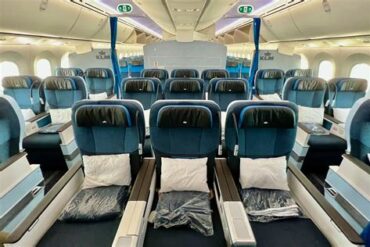
Cathay Pacific’s Airbus A330 fleet has long served as the backbone of its intra-Asia network, connecting Hong Kong with major regional cities. Historically, these aircraft offered 2-2-2 angled business class seats, which were functional but increasingly outdated compared to modern lie-flat suites.
That changes in late 2026, when Cathay introduces the Aria Studio business class seat across selected A330 aircraft.
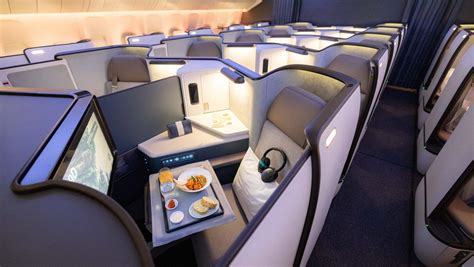
The new cabin adopts a 1-2-1 layout with direct aisle access, bringing regional flights closer to the comfort standards typically reserved for long-haul travel. The seat design draws heavily from the airline’s Aria Suite introduced on the Boeing 777-300ER, ensuring consistent aesthetics and ergonomics across the fleet.
Passengers will experience fully flat beds, high privacy shells, and upgraded entertainment systems, making overnight flights across Asia significantly more comfortable. This upgrade reflects a broader industry shift: even regional premium passengers now expect lie-flat comfort, especially on flights exceeding five hours.
Cathay Pacific’s decision also aligns with its long-term fleet strategy. The upgraded A330 cabins will serve as an interim solution before the arrival of Airbus A330-900neo aircraft beginning in 2028, which will feature even more advanced premium seating.
Although this program focuses primarily on regional routes, it represents a critical step in rebuilding Cathay Pacific’s premium brand after the disruptions of recent years.
5. United Airlines Polaris 2.0: A Major Evolution of the Polaris Concept
United Airlines launched its original Polaris business class product in 2016, introducing lie-flat seats and a modern cabin aesthetic across its long-haul fleet. By 2026, however, the airline is preparing a significant upgrade known informally as Polaris 2.0.
The new cabin will debut aboard Boeing 787-9 Dreamliners, marking the first major redesign of Polaris since its original rollout. The airline’s strategy emphasizes premium-heavy configurations, targeting high-yield international markets.
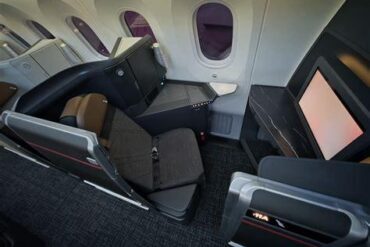
The updated seat retains a 1-2-1 layout but introduces a series of important improvements. Each suite now includes sliding privacy doors, bringing United into alignment with the broader industry shift toward enclosed business class cabins.
One of the most distinctive features is the Polaris Studio, located in the front row of the cabin. These seats offer additional personal space, companion seating, and expanded storage, effectively creating a hybrid between traditional business class and mini-suites.
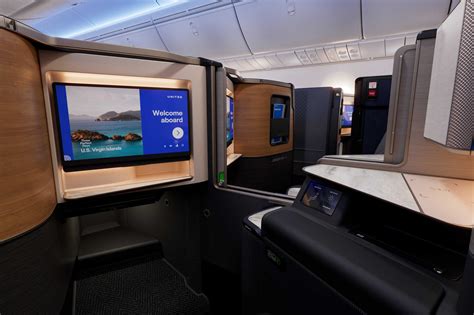
Technology plays a major role in this redesign. The Dreamliner cabins will include larger high-resolution entertainment screens, upgraded in-seat power options, and Starlink satellite connectivity, enabling faster internet access across transcontinental and transpacific routes.
United plans to deploy these aircraft on flagship routes such as San Francisco to London and Singapore, strengthening its competitiveness against airlines known for cutting-edge premium cabins.
4. ANA “The Room FX”: A Radical Lounge-Style Business Class
All Nippon Airways has already earned global acclaim for its “The Room” business class seat on the Boeing 777-300ER, widely considered one of the most spacious business class products ever built.
In 2026, the airline will extend that philosophy to the Boeing 787-9, introducing a new cabin called “The Room FX.”
Unlike most business class seats that recline into a bed, this design adopts a fixed-shell sofa architecture. The seat itself remains stationary while articulating leg rests and adjustable surfaces transform it into a fully flat sleeping platform.
This approach provides an experience closer to a private lounge seat than a traditional airline seat.
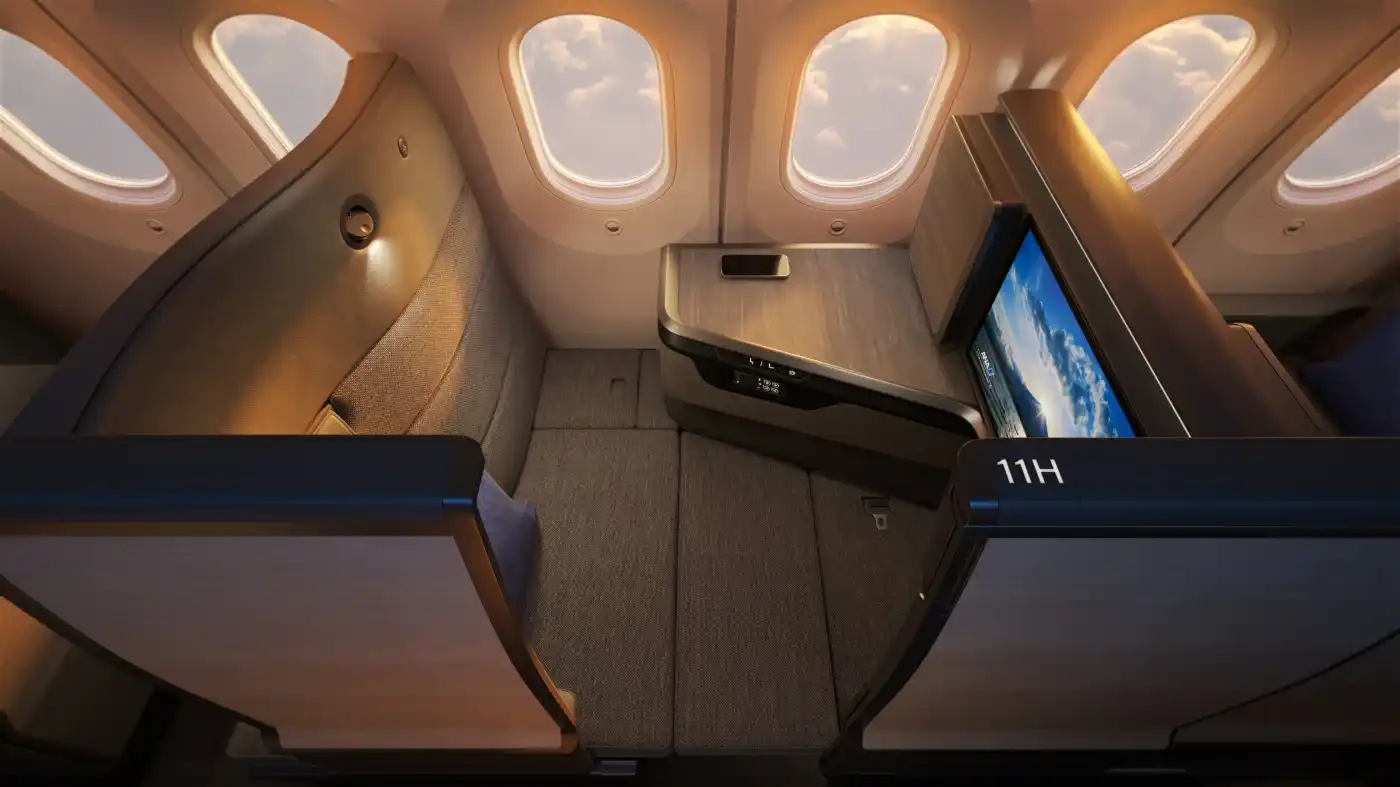
The cabin will feature 48 suites in a staggered 1-2-1 layout, alternating between forward- and rear-facing seats. Sliding privacy doors, wide armrests, and expansive personal space create one of the most spacious environments available on a mid-size widebody aircraft.
The design philosophy emphasizes lateral space rather than vertical enclosure, producing a cabin that feels open and residential rather than narrow and compartmentalized.
ANA plans to deploy these aircraft on long-haul routes from Tokyo Haneda to Europe and North America, bringing flagship-level comfort to routes that previously lacked the airline’s most advanced seating.
3. Singapore Airlines’ Next-Generation Business Class Suite
Singapore Airlines has long been known for spacious business class seats, but its current long-haul product dates back to 2013, making a refresh inevitable.
In 2026, the airline will unveil an entirely new business class suite platform that will gradually replace older seats across the Airbus A350 fleet and the upcoming Boeing 777-9 aircraft.
This rollout represents one of the most significant cabin investments in the airline’s history, with more than S$1.1 billion allocated to cabin upgrades.
The new seat introduces sliding privacy doors and taller suite walls, reflecting the growing industry standard for enclosed business class cabins. However, Singapore Airlines is expected to maintain its hallmark focus on spacious seating and superior sleeping comfort.
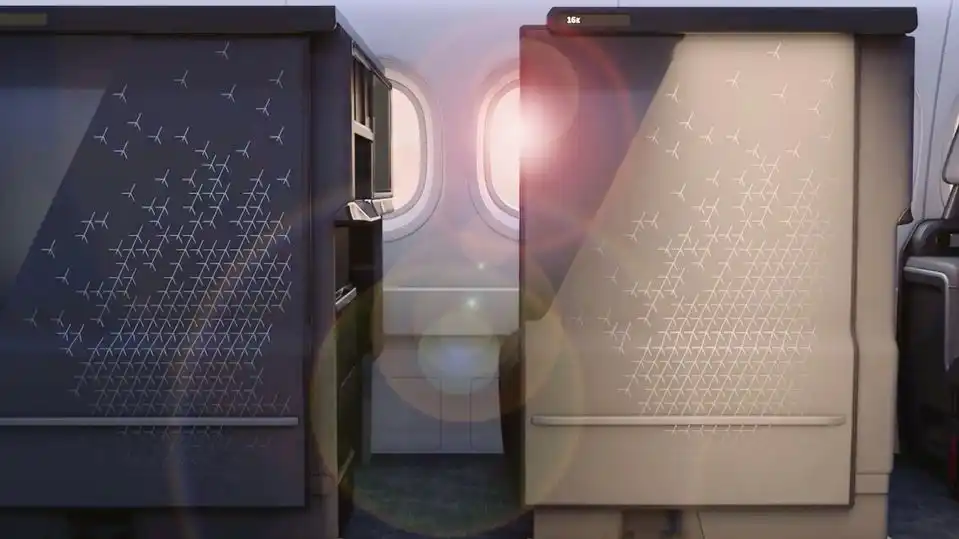
Another area of focus is sleep ergonomics. Singapore Airlines has historically prioritized bed comfort, often offering some of the widest business class seats in the sky. The 2026 suite will likely incorporate redesigned cushions, improved bedding systems, and optimized sleeping angles.
The retrofit program will begin with 41 Airbus A350 aircraft, with potential debut routes including London and Sydney, two of the airline’s most competitive long-haul markets.
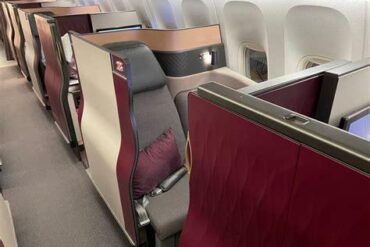
2. Qatar Airways Next-Generation Qsuite
When Qatar Airways launched Qsuite in 2017, it changed the definition of business class. Sliding privacy doors, double beds in center seats, and configurable four-person “quad” suites transformed the cabin into a flexible private space.
Nearly a decade later, the airline is preparing the next generation of Qsuite, refining rather than replacing the original concept.
The updated design retains the 1-2-1 modular layout, allowing passengers to convert center seats into double beds or collaborative workspaces. This adaptability remains one of Qsuite’s most distinctive features.
The 2026 version introduces lighter seat structures, improved durability, and enhanced digital integration, allowing airlines to reduce maintenance costs while improving passenger experience.
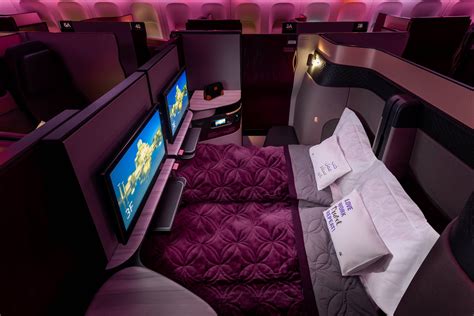
Passengers will also notice a major technology upgrade. The new suites include large 4K OLED entertainment displays, improved touchscreen interfaces, and refined cabin lighting systems designed to reduce fatigue on long flights.
By modernizing one of the industry’s most influential cabin designs, Qatar Airways ensures the Qsuite remains a benchmark for premium travel well into the next decade.
1. Riyadh Air Boeing 787 Business Elite Suites: A New Benchmark in Gulf Aviation
The most ambitious business class launch of 2026 belongs to Riyadh Air, Saudi Arabia’s newest airline. Rather than gradually introducing premium features, the carrier is launching its fleet with a fully realized flagship cabin from day one.
The airline’s Boeing 787-9 Dreamliners will feature 28 business class suites plus four Business Elite seats, arranged in a 1-2-1 layout.
Built on the Safran Unity platform, these suites incorporate 52-inch privacy walls, sliding doors, and expansive entertainment screens, delivering a high level of exclusivity rarely seen in business class.
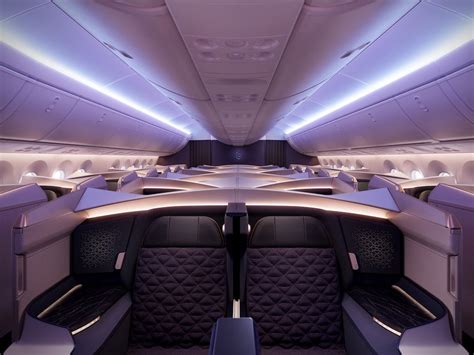
The four Business Elite suites at the front of the cabin offer additional space and companion seating, enabling passengers to dine or work together in a private environment.
Technology also plays a central role. The cabins include Devialet high-fidelity audio systems, gate-to-gate Wi-Fi connectivity, and advanced digital interfaces, creating one of the most technologically advanced business class cabins in the industry.
With up to 72 Boeing 787 aircraft on order, Riyadh Air’s business class suite could quickly become one of the most widely recognized premium cabins in global aviation.
The Future of Business Class Is Becoming Suite-Based
Across all seven airlines, a clear pattern emerges. The future of business class is defined by privacy, flexibility, and digital connectivity.
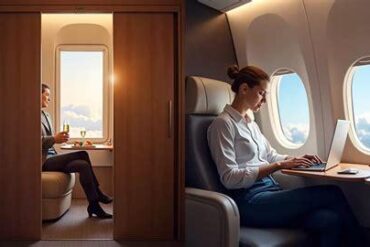
Sliding doors and high privacy walls are rapidly becoming the standard, while larger entertainment screens, faster Wi-Fi systems, and modular seating layouts are transforming business class into something closer to a private travel suite.
Another major shift is the expansion of premium cabins into new aircraft categories. Narrowbody jets like the Airbus A321XLR are gaining long-haul capability, forcing airlines to rethink how luxury travel works on smaller aircraft.
At the same time, emerging carriers like Riyadh Air are entering the market with cutting-edge cabins designed to compete with the best established airlines.
For travelers, this competition is excellent news. As airlines push each other to innovate, the comfort, privacy, and technological sophistication of business class cabins continue to reach new heights.
The next decade of aviation will likely see even more experimentation with suite layouts, modular seating, and personalized digital environments, bringing premium air travel closer than ever to the comfort of a private lounge in the sky.