At first glance, the idea sounds backward. A brand-new, door-equipped, privacy-focused Flagship Suite should obviously cost more than American Airlines’ older Flagship Business seats. Newer hardware, more personal space, sleeker finishes—those are supposed to push prices up, not down. Yet travelers searching long-haul routes have repeatedly noticed something strange: on certain flights, Flagship Suites are priced lower than traditional Flagship Business, even on the same city pair and similar dates. This isn’t a pricing error or a fleeting glitch. It is a window into how modern airline revenue management really works, and why the most premium-looking seat on the plane does not always command the highest fare.
The confusion stems from a clash between how passengers intuitively value products and how airlines actually sell them. Travelers think in terms of seats and comfort. Airlines think in terms of fare buckets, inventory control, demand forecasting, and competitive pressure. Once those forces collide, unexpected pricing outcomes suddenly make perfect sense.
To understand why this happens, it is essential to look beyond cabin branding and into the mechanics of how American Airlines sells premium seats in 2026.
What Exactly Are American Airlines Flagship Suites?
American Airlines’ Flagship Suites represent the carrier’s newest generation of long-haul business-class seating. They are not a separate cabin like international first class. Instead, they are an evolution of business class itself, designed to compete directly with the latest products from Delta Air Lines and United Airlines.
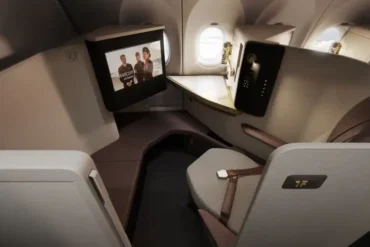
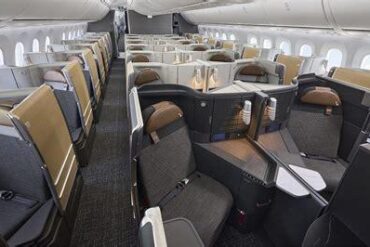
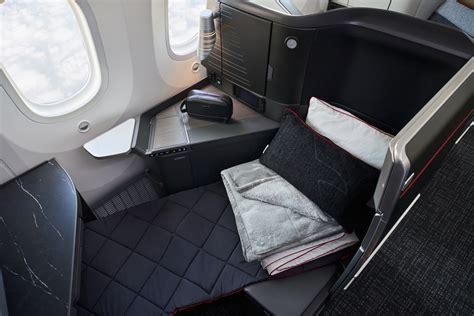
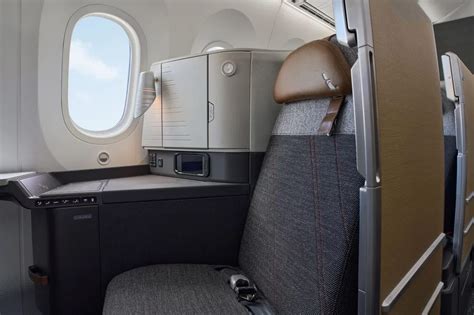
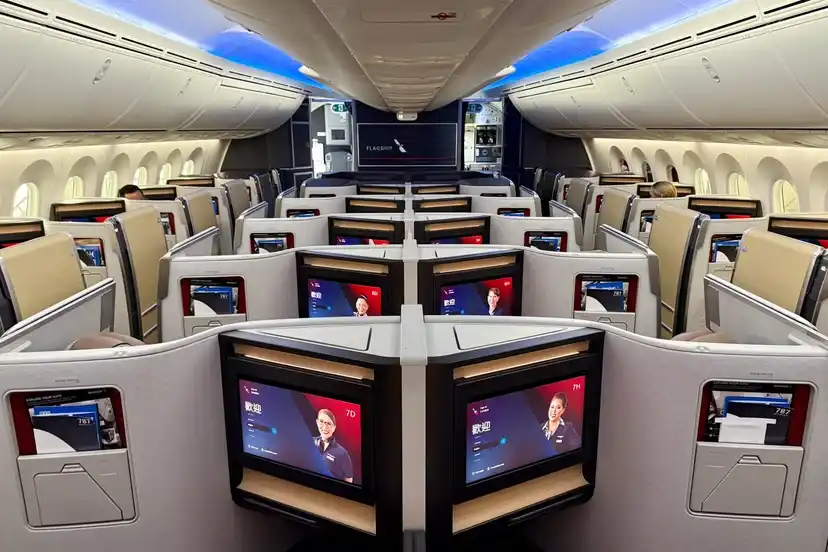
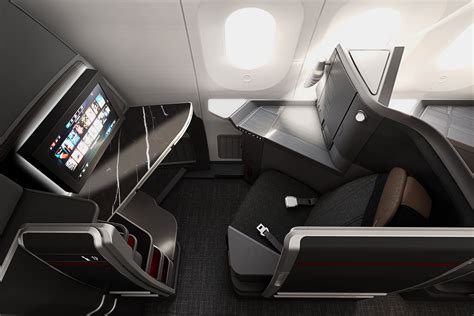
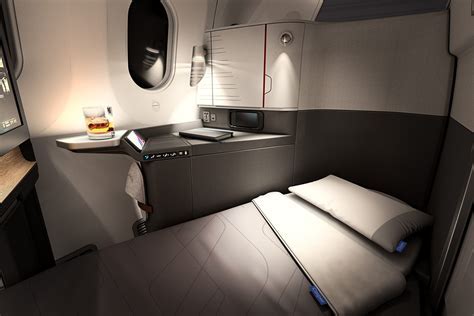
The defining feature is privacy. Each Flagship Suite includes a sliding door, higher sidewalls, and a more enclosed layout that creates a semi-private space. The seat still converts into a fully flat bed, but the experience feels more like a personal pod than a traditional open business-class seat. Materials are upgraded, screens are larger and sharper, lighting is more sophisticated, and storage is more intelligently designed.
Just as important, Flagship Suites are a brand signal. They tell premium travelers—especially corporate customers—that American Airlines is no longer lagging in hard product quality. In competitive markets like transatlantic business routes and premium transcontinental flights, that signal matters. It supports long-term pricing power, even if short-term fares do not always reflect it.
Where Flagship Suites Are Flying Today
Flagship Suites are not yet fleet-wide, and that partial rollout plays a major role in pricing anomalies. Today, the suites are concentrated on two aircraft families: the Boeing 787-9 and the Airbus A321XLR.
On the Boeing 787-9, American has introduced what it informally calls the “premium” configuration. These aircraft debuted the new suites on long-haul routes such as Chicago O’Hare to London Heathrow, followed by services from Philadelphia to London and Philadelphia to Zurich. Dallas/Fort Worth is expected to see increased deployment as more aircraft arrive, while occasional domestic positioning flights—like Chicago to Los Angeles—have allowed travelers to sample the product without crossing an ocean.
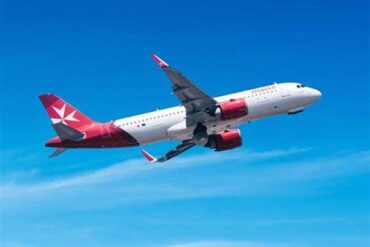
The Airbus A321XLR tells a different story. This aircraft replaces the aging Airbus A321T on premium transcontinental routes. Its first Flagship Suite service connected New York JFK and Los Angeles, with San Francisco and Orange County likely to follow. The XLR also opens the door to long, thin international routes such as JFK to Edinburgh, where a widebody would be too large but premium demand still exists.
Because not every flight on a given route uses the same aircraft, travelers often see multiple business-class products competing against each other on the same city pair. That is where pricing gets interesting.
How American Airlines Actually Prices Flagship Suites
Despite the name, American Airlines does not sell Flagship Suites as a separate fare product. When a flight is operated by a suite-equipped aircraft, the seat is still sold as Flagship Business. Sometimes it is bundled into a higher-priced Flagship Business Plus fare that includes extra flexibility or perks, but there is no published “suite surcharge.”
Instead, pricing is controlled through fare buckets—predefined price levels that open and close dynamically based on demand, booking curves, seasonality, and competitor behavior. A suite-equipped flight might still have lower-priced buckets available, while an older-cabin flight on the same route has already sold through its cheaper inventory.
This is why two flights departing hours apart can show dramatically different prices, even when one clearly has a superior seat. The airline is not pricing the seat. It is pricing the probability of selling the seat at a given moment in time.
Within the cabin, American also designates certain positions as Flagship Suite Preferred, typically bulkhead locations or suites with extra space. At present, many travelers report being able to select these at no extra cost, reinforcing the idea that the airline is still experimenting with how to monetize the product.
Why Flagship Suites Can Be Cheaper Than Flagship Business
The key insight is simple but counterintuitive: newer does not automatically mean more expensive in airline pricing.
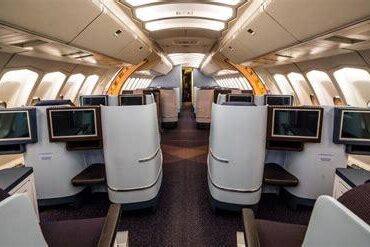
When American Airlines operates a route with mixed aircraft types, the total number of business-class seats can vary significantly. A Boeing 787-9 with suites may have a different premium seat count than a Boeing 777 or an older 787 variant. If demand is softer on the suite-equipped flight, lower fare buckets remain open longer.
Schedule also matters. A mid-afternoon departure with suites may struggle to attract corporate travelers who prefer overnight eastbound flights or morning westbound departures. Meanwhile, a less comfortable aircraft leaving at the perfect time can command a premium simply because it fits business travelers’ calendars.
Corporate contracts further complicate things. Certain flights are heavily favored by managed travel programs, which drives demand—and prices—up regardless of seat quality. In those cases, you are paying for timing, not the door.
Refundability and flexibility can widen the gap even more. A fully refundable Flagship Business fare on an older aircraft can easily cost hundreds or thousands more than a restricted, nonrefundable fare on a suite-equipped jet. The product looks worse, but the rules are better.
The Role of Dynamic Upgrades and Post-Booking Offers
Another factor distorting comparisons is American Airlines’ aggressive use of dynamic upgrade offers. After booking, passengers may see cash or mileage upgrade prices that change daily, sometimes hourly. These offers are driven by remaining inventory and departure proximity, not by the original fare logic.
On a flight with weak premium demand, upgrade prices into Flagship Suites can be surprisingly low. On a different flight with stronger demand, even an older Flagship Business seat may be nearly impossible to upgrade into at a reasonable price.
This creates the illusion that one product is inherently cheaper than the other, when in reality the airline is simply responding to real-time booking behavior.
Aircraft swaps add yet another layer of confusion. If American changes the aircraft type close to departure, passengers may end up paying a price that was set for schedule convenience rather than cabin quality. The market paid for the slot, not the suite.
How Savvy Travelers Identify Real Value
For travelers trying to decide whether Flagship Suites are genuinely a better deal, precision matters. Comparing prices without aligning fare rules is a recipe for misunderstanding.
Start by confirming that both options have the same fare conditions, including refundability, change fees, and baggage allowances. Many “cheaper” suite fares are simply more restrictive. Next, confirm the aircraft type and open the seat map to ensure that a suite is actually available and selectable. Some discounted seats are near galleys or lavatories and priced accordingly.
It is also worth comparing cash fares and mileage redemptions separately, as award pricing often follows different logic entirely. In some cases, the best value comes from buying a cheaper ticket and accepting a reasonably priced upgrade offer closer to departure.
The Strategic Picture Behind the Pricing
Zooming out, American Airlines is in the middle of a broader strategic shift. The airline is betting that premium demand will continue to grow, especially on long-haul and premium transcontinental routes. Flagship Suites are designed to future-proof the business-class product and keep high-value customers from defecting to competitors.
During this transition period, inconsistencies are inevitable. Multiple premium products coexist on the same routes. Revenue management systems prioritize load factors and yield optimization over aesthetic logic. The result is occasional pricing that looks irrational but is actually ruthlessly mathematical.
Over time, as more aircraft receive suites and older cabins disappear, pricing should normalize. Until then, attentive travelers can exploit the gaps.
The Bottom Line on Flagship Suites Pricing
So, is it true that American Airlines’ Flagship Suites sometimes cost less than Flagship Business? Yes—and not by accident. The phenomenon is a byproduct of modern airline pricing, mixed fleets, and dynamic demand management, not a secret discount on luxury.
For travelers willing to check aircraft types, fare rules, and schedules carefully, these quirks can unlock exceptional value. Under the right circumstances, you really can fly in American’s most advanced business-class seat for less than an older, less private alternative. That is not a failure of logic. It is simply how the system works when branding meets algorithms at 35,000 feet.