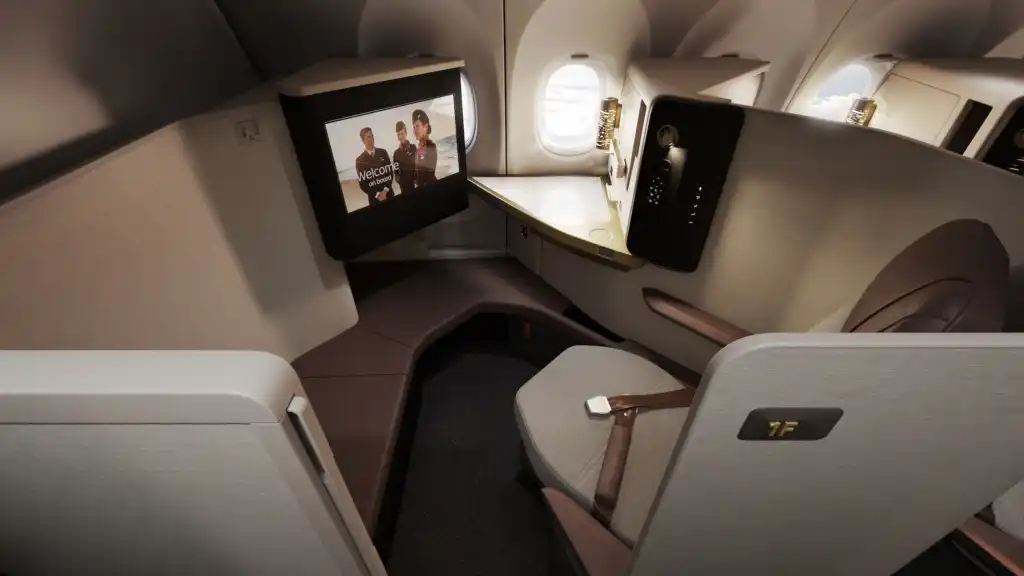
Transatlantic business class travel has undergone a quiet revolution. What was once a realm reserved for corporate budgets and elite travelers has, in 2026, become far more accessible—almost shockingly so. With fares dipping below $2,000 one-way, the concept of crossing the Atlantic in a lie-flat seat, sipping champagne, and arriving refreshed is no longer an unattainable indulgence. Instead, it’s a strategic purchase for those who know where—and how—to look.
The transformation is not accidental. It is the result of a powerful convergence: new-generation aircraft, aggressive competition, and a shift in airline pricing strategies. Routes that once commanded $4,000 to $6,000 round-trip are now regularly undercut by innovative carriers offering premium experiences at dramatically reduced costs. Travelers who understand this evolving landscape are finding themselves enjoying five-star comfort at two-star prices.
In this new era, geography matters more than ever. Departing from the right city can mean the difference between a $1,600 ticket and a $3,500 one. Timing, airline choice, and even aircraft type all play decisive roles. The smartest travelers are no longer just booking flights—they are engineering value.
What Defines a True Business Class Bargain in 2026
Understanding value is essential before diving into specific routes. While prices fluctuate, industry benchmarks provide clarity. The global average for international business class hovers around $3,360, meaning anything below $2,500 is considered a strong deal—and anything under $2,000 is exceptional.
Yet price alone doesn’t define value. Modern business class is a layered experience. The best deals combine affordability with essential luxuries: fully lie-flat seats, direct aisle access, premium dining, and seamless airport services. Increasingly, airlines are unbundling fares—stripping away extras like seat selection or bonus mileage—while preserving the onboard experience. For savvy travelers, this trade-off is more than acceptable.
The result is a new kind of premium traveler—one who prioritizes comfort over perks, and understands that a flat bed at 35,000 feet is the true luxury.
Boston: The Undisputed King of Cheap Transatlantic Business Class
Boston has emerged as the most powerful gateway for affordable transatlantic business class. The city’s dominance is driven largely by JetBlue, whose aggressive expansion into Europe has reshaped pricing dynamics.
From Boston, travelers can access a wide network of European destinations including London, Paris, Amsterdam, and Madrid—all aboard the highly efficient Airbus A321LR. This narrowbody aircraft, once considered unconventional for long-haul routes, has proven to be a game-changer. Its lower operating costs allow airlines to price tickets far below traditional widebody services.
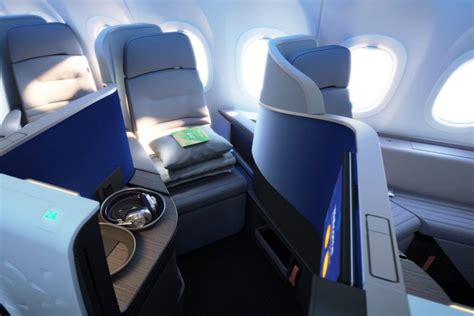
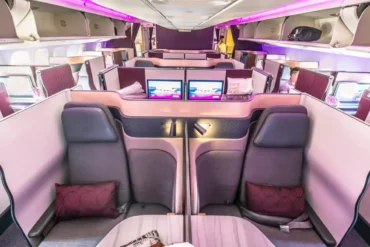
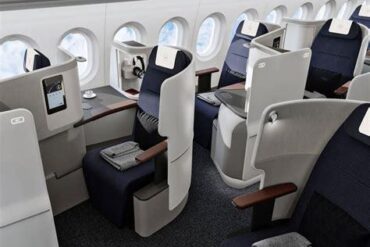
JetBlue’s Mint product is particularly disruptive. Configured in a 1-1 layout, it offers private suites, sliding doors on select seats, and a curated dining experience that rivals legacy carriers. Crucially, JetBlue avoids the trend of stripping down its business class fares. Even its lowest-priced tickets include:
- Lie-flat seating
- Two checked bags
- Priority boarding and security
- Elevated onboard dining
Routes from Boston to London Gatwick regularly appear for as low as $1,659, with similar pricing to Dublin, Madrid, and Amsterdam. These fares are not rare anomalies—they are consistently available, especially midweek during peak summer months.
The implication is clear: Boston is not just competitive—it is structurally cheaper.
New York and La Compagnie: Boutique Luxury at Scale
While Boston leads on price, New York offers a different kind of value—one rooted in specialization. Enter La Compagnie, a French airline that has built its entire identity around all-business-class travel.
Operating Airbus A321neo aircraft configured with just 76 seats, La Compagnie delivers an intimate, refined experience. The cabin, arranged in a 2-2 configuration, emphasizes space and service over density. Every passenger receives lie-flat seating, gourmet meals, and a streamlined airport experience.
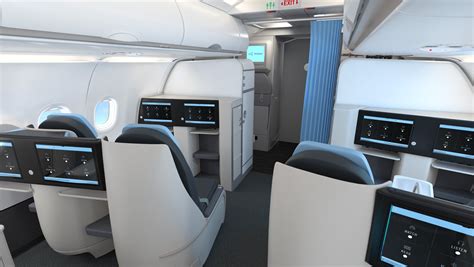
Flights from Newark to Paris Orly start at approximately $2,161 one-way, with Milan routes slightly higher. While these prices exceed Boston’s lowest fares, they remain highly competitive within the New York market—one of the most premium-heavy aviation hubs in the world.
What truly sets La Compagnie apart is its promotional strategy. Limited-time sales can drive round-trip fares down to $2,500, effectively reducing one-way pricing to levels that rival—even undercut—domestic premium cabins within the United States.
This is not mass-market luxury. It is focused, deliberate, and surprisingly attainable.
Hidden Gems: Underrated Routes Offering Exceptional Value
Beyond the headline routes, a number of lesser-known options quietly deliver remarkable value. These flights often fly under the radar, yet they offer some of the most compelling price-to-comfort ratios available.
One standout is the New York to Belgrade route operated by Air Serbia. Priced around $1,830 one-way, it combines affordability with long-haul comfort aboard Airbus A330 aircraft. While the onboard product may lack the polish of newer competitors, it still delivers the essentials: lie-flat seating and full-service hospitality.
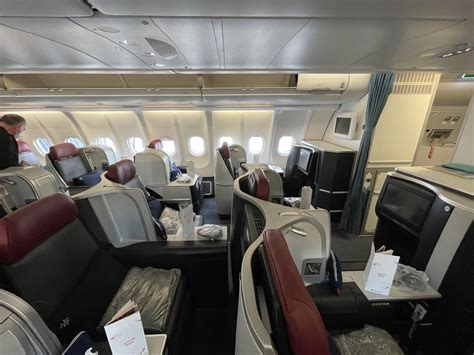
These niche routes highlight an important truth: destination flexibility unlocks savings. Travelers willing to fly into secondary European cities—and connect onward—can access significantly lower fares without sacrificing comfort.
JetBlue from New York: A Secondary but Strategic Option
Although Boston remains JetBlue’s strongest European hub, New York’s JFK airport still plays a critical role. From here, JetBlue operates transatlantic flights with competitive pricing, particularly to London Heathrow.
Fares start at around $2,134, slightly higher than Boston but still well below industry averages. What makes this route unique is its scheduling. Unlike traditional overnight transatlantic flights, JetBlue offers a daytime service, allowing passengers to maximize productivity and arrive without the disorientation of jet lag.
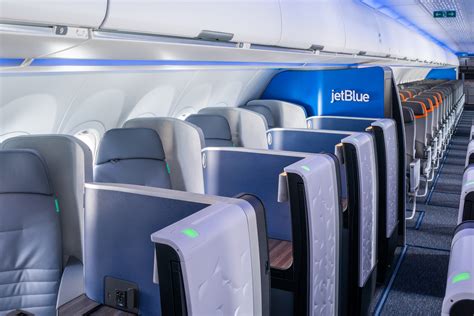
This subtle shift in timing transforms the travel experience. Instead of treating the flight as a forced rest period, it becomes an extension of the day—comfortable, productive, and far less taxing.
West Coast Reality: Longer Flights, Smarter Value
For travelers departing from the West Coast, the equation changes. Distance alone makes ultra-low fares unlikely, but value still exists—particularly through TAP Air Portugal.
Flights from San Francisco and Los Angeles to Lisbon typically range between $2,800 and $3,000 one-way. While higher than East Coast deals, these prices are remarkably competitive given the 10–11 hour flight duration.
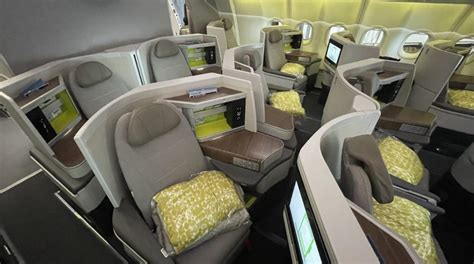
TAP’s Airbus A330-900neo aircraft offer a modern business class experience, featuring:
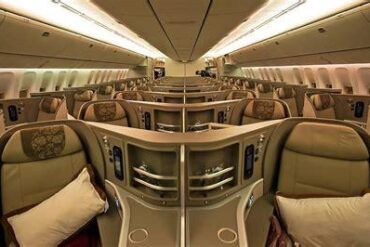
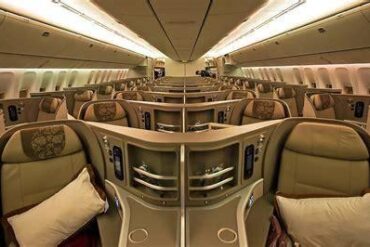
- 1-2-1 seating configuration with direct aisle access
- Enhanced cabin humidity for reduced fatigue
- Quieter interiors for improved sleep quality
For West Coast travelers, these flights represent a balance between distance and value—a reminder that affordability is always relative to geography.
The Aircraft Revolution Driving Lower Prices
At the heart of this pricing shift is a technological transformation. Aircraft like the Airbus A321LR and A321neo have redefined what is possible in long-haul travel. Smaller, more efficient, and capable of crossing the Atlantic with ease, these jets allow airlines to operate routes that would be unprofitable with larger aircraft.
This has two critical effects. First, it increases competition by enabling new entrants to challenge established carriers. Second, it lowers operating costs, allowing airlines to pass savings directly to passengers.
The result is a marketplace where premium travel is no longer artificially scarce.
When to Book: Timing the Perfect Fare
Even in this new era of affordability, timing remains a decisive factor. The cheapest business class fares consistently appear on Tuesdays, Wednesdays, and Thursdays, particularly during late spring and summer.
August, traditionally considered a peak travel month, paradoxically offers some of the lowest fares due to shifts in business travel demand. Airlines adjust pricing to fill premium cabins, creating opportunities for leisure travelers to secure exceptional deals.
Booking windows also matter. The sweet spot typically falls between 6 to 10 weeks before departure, where pricing algorithms balance demand with remaining inventory.
The New Definition of Luxury Travel
What emerges from this landscape is a redefinition of luxury itself. No longer tied exclusively to high prices, business class is becoming a strategic upgrade—a calculated decision rather than an extravagant splurge.
Travelers today are not simply buying a seat. They are buying:
- Time saved through better rest
- Productivity enabled by comfort
- Well-being preserved across time zones
In this context, a $1,700 business class ticket is not just affordable—it is rational.
Conclusion: Engineering the Perfect Transatlantic Experience
The most affordable transatlantic business class routes in 2026 are not hidden—they are simply misunderstood. Boston and New York dominate the landscape, with airlines like JetBlue and La Compagnie leading a pricing revolution that has permanently altered expectations.
At the same time, niche carriers and strategic routes continue to expand the definition of value, offering alternatives that reward flexibility and curiosity. Even from the West Coast, where distances are greater, smart choices can yield impressive returns.
The opportunity is clear. With the right combination of timing, location, and airline selection, travelers can consistently secure world-class comfort at historically low prices. The Atlantic, once a barrier between continents, has become a corridor of opportunity—one where luxury is no longer reserved for the few, but accessible to those who know where to look.