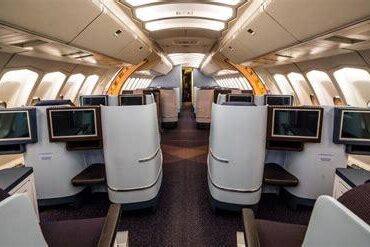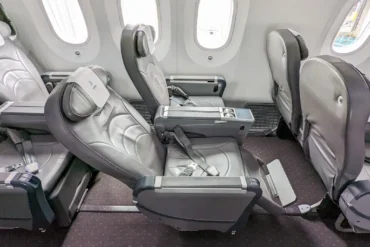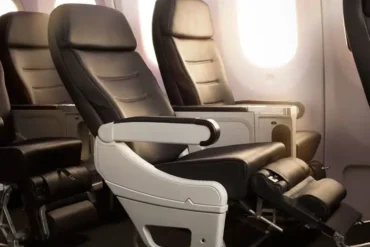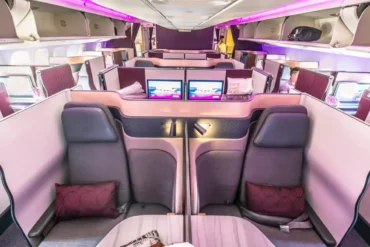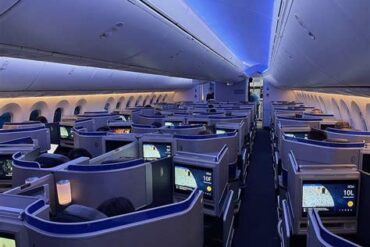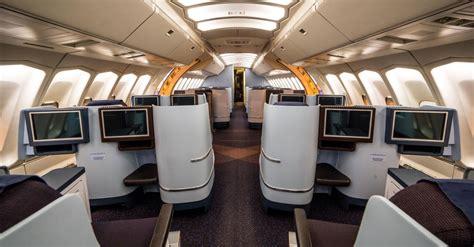
Flying business class was once the domain of corporate elites and seasoned frequent flyers burning points accumulated over years. Today, budget-conscious travelers can access luxurious cabins, lie-flat seats, and gourmet meals without draining their bank accounts. The industry’s pricing landscape has transformed due to evolving corporate travel habits, fuel-efficient aircraft, and airlines targeting a wider audience. We explore the airlines with the cheapest business class seats you can book today, focusing not just on fare but the value proposition behind each ticket.
Why Business Class Is No Longer Only for the Elite
For decades, business class was defined by high fares and corporate exclusivity, but several macro trends have forced airlines to adapt. The decline of traditional business travel—driven by remote work, Zoom meetings, and cost-conscious corporate policies—has weakened the premium cabin’s reliance on last-minute, high-fare bookings. As companies slash travel budgets, airlines are increasingly marketing business class seats to leisure travelers willing to book early at lower prices.
Meanwhile, the introduction of next-generation aircraft like the Boeing 787 Dreamliner and Airbus A321neo has significantly reduced operating costs. These jets allow airlines to offer premium services on longer and thinner routes profitably. With lower expenses, airlines can afford to slash business class ticket prices while maintaining profitability.
Condor, JetBlue, La Compagnie: Hidden Gems in Business Class Affordability
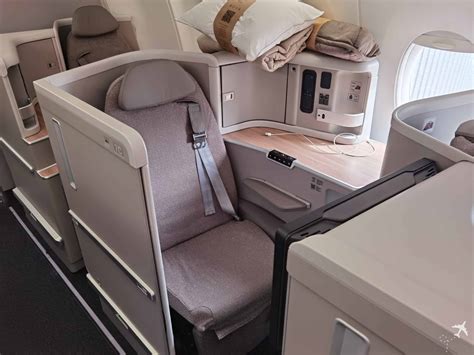
A handful of airlines have embraced a value-first approach to premium travel, offering genuine business class comfort at prices closer to premium economy.
Condor, the German leisure carrier, has emerged as a standout. With a focus on point-to-point routes between the US and Europe, Condor sidesteps the hub-and-spoke model that burdens legacy airlines. Its business class cabins feature lie-flat seats, direct aisle access, and elevated in-flight meals—all at a fraction of the cost of major players. For example, round-trip fares between New York JFK and Frankfurt or Berlin have been seen around $1,080 (€1,000), while short-haul intra-European deals (like Germany to Spain) have dipped to $352 (€300).
JetBlue’s Mint service reshapes expectations on transcontinental US routes and select international flights. JetBlue offers generously spaced private suites, artisanal dining, and tech-forward service—often priced well below $2,000. Routes such as Boston to Los Angeles or New York to London make Mint an unbeatable deal in terms of value for money and onboard experience.
La Compagnie operates with a singular focus: all-business-class service. Its boutique fleet connects Newark to Paris and Milan, offering full-flat beds and curated onboard experiences. The simplified service model means prices can sometimes be shockingly low—as little as $2,160 (€2,000) round-trip during promotions like Blue Friday. With no economy section to subsidize, La Compagnie delivers premium in its purest form at a price point that stuns legacy competitors.
In Europe: Smart Hubs and Agile Carriers Drive Low-Cost Premium Access
Europe’s competitive edge in affordable business class lies in operational agility and geographic strategy. Regional airlines have leveraged efficient hubs and modern fleets to offer compelling business class fares on long-haul flights.
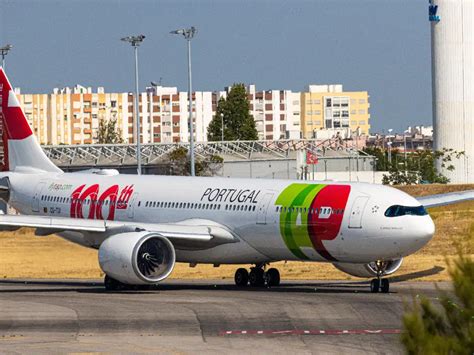
TAP Air Portugal, for instance, uses Lisbon as a transatlantic bridge. Its location shortens flights between North America and Europe, while its modernized aircraft fleet keeps overheads low. Fares between the US and Portugal often drop below $2,345 (€2,000) in off-peak seasons, giving travelers a full-service lie-flat experience at near-premium economy prices.
Finnair, operating from Helsinki Airport, optimizes polar routes for Europe–Asia travel. These shorter, cost-effective paths allow Finnair to undercut giants like Lufthansa or British Airways while still offering sleek cabins and Scandinavian-style service. Finnair’s pricing reflects a strategic use of distance and demand, ideal for travelers heading to Tokyo, Seoul, or Bangkok.
LOT Polish Airlines combines competitive pricing with a growing modern fleet, including Boeing 787 Dreamliners. Its central hub in Warsaw facilitates efficient East-West travel, and early bookings often yield fares much lower than Western Europe’s legacy carriers. LOT regularly delivers a lie-flat product and strong service on routes to North America and Asia.
In the Global South: Comfort and Value Converge Across Continents
While Asia and Latin America have historically lagged in business class innovation, that gap has closed rapidly. Several regional carriers now challenge Western pricing norms while offering top-tier experiences.
EVA Air and China Airlines, both based in Taiwan, frequently publish business class fares between Asia and North America that beat Western legacy carriers. With fully lie-flat beds, premium service, and high-end catering, these airlines maintain quality while strategically reducing price to remain competitive in crowded markets.
Biman Bangladesh Airlines is a dark horse in affordable premium travel. Flying modern Boeing 777s and 787s, Biman connects South Asia to Europe and the Middle East with business class fares that rival premium economy pricing. A round trip from Rome to Dhaka can cost just $1,500 (€1,380)—unheard of for a lie-flat product over such a long-haul segment.
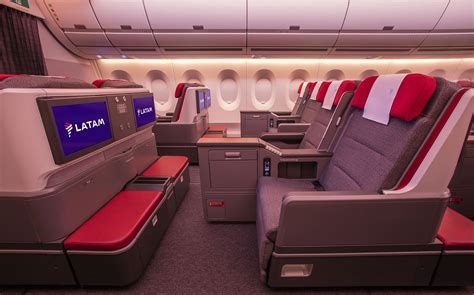
LATAM Airlines, South America’s largest airline, also delivers on value. Business class fares between Miami and Lima have been found for under $1,500 (€1,280), offering a legitimate premium experience with full beds rather than recliners. It’s a rare glimpse of budget luxury in the Latin American market, which is often dominated by either ultra-budget or overpriced flag carriers.
Strategy Beats Loyalty: How to Unlock the Cheapest Business Class Fares
The key to flying cheap in business class often lies not in loyalty, but in flexibility. Price-sensitive travelers who prioritize timing and strategy over airline status reap the biggest rewards.
Departing on Tuesdays or Wednesdays, avoiding school holidays, and being open to alternative airports are foundational tactics. Leveraging tools like Google Flights or Skyscanner to explore flexible calendars is indispensable.
Travelers willing to take one-stop itineraries can save substantially. For instance, flying TAP via Lisbon or LOT via Warsaw can reduce total fare by hundreds or even thousands of dollars compared to nonstop options. While not ideal for every trip, this trade-off pays massive dividends.
Joining fare deal clubs, such as Going.com or The Points Guy, enables travelers to pounce on flash sales and mistake fares—deals that may vanish within hours. Layering this approach with airline points strategies—like redeeming miles or bidding for upgrades—further decreases the financial barrier.
Another growing segment is “business class lite”—a lower-tier fare that includes the seat and meals but omits lounge access or free changes. This stripped-down approach offers full cabin comfort without the extras many travelers don’t need.
The Future of Business Class Is Price Disruption
As airline revenue models evolve, so does the structure of business class pricing. Fare unbundling, demand-based pricing algorithms, and the growth of niche, premium-first carriers are reshaping the landscape. Travelers who once thought business class was out of reach now find it within budget with the right timing and research.
Codeshare agreements and airline alliances also play a critical role in expanding access. Booking a fare with a budget carrier for one segment, then seamlessly connecting into a legacy airline’s premium cabin, is increasingly possible under shared booking platforms.
As competition increases and digital tools become smarter, the era of “accessible luxury in the skies” is not a dream—it’s a trend in full motion. The next few years will likely bring even more innovation, where comfort no longer demands compromise, and business class becomes a realistic upgrade for the savvy traveler.