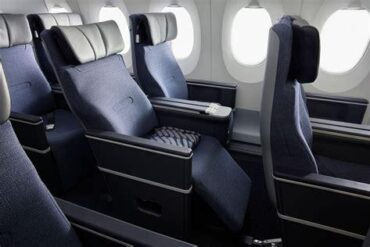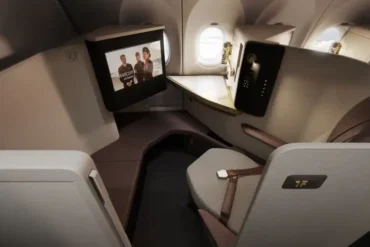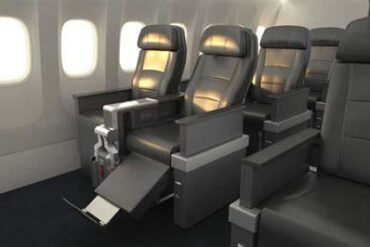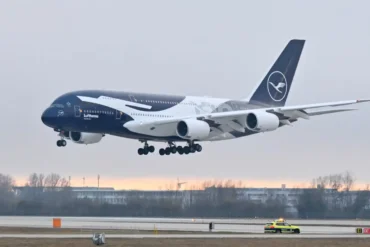
The race for premium air travel has entered an entirely new phase. For years, long-haul business class often meant a lie-flat seat, direct aisle access if you were lucky, and a screen that looked impressive until you turned it on. That era is over. In 2026, airlines are investing heavily in private suites, smarter ergonomics, larger 4K entertainment displays, wireless charging, Bluetooth audio, and layouts designed to feel less like a seat and more like a compact personal studio in the sky.
What makes this moment especially important is that many of these products are not theoretical concepts or limited showcase cabins. They are now entering real service on flagship routes linking North America, Europe, the Middle East, and Asia. Travelers booking carefully can finally access products that represent a genuine leap forward rather than a minor refresh with shinier upholstery.
Some carriers focused on privacy. Others prioritized technology or sleeping comfort. A few managed to combine all three. If you are planning an intercontinental trip and want your miles or money to go further, these are the eight long-haul business class products that just received major upgrades and are genuinely worth booking right now.
Lufthansa Allegris Business Class Finally Brings Germany Back Into The Fight
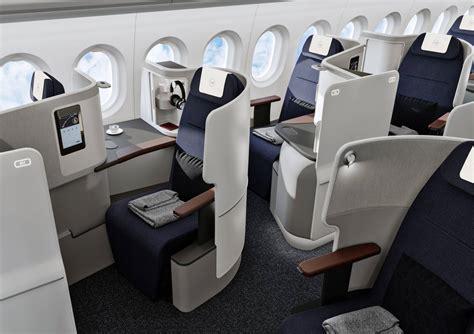
For years, Lufthansa carried a reputation for excellent ground service and route strength, while its business class hard product aged far beyond acceptable premium standards. Allegris changes that dramatically. Rather than introducing one generic seat, Lufthansa created a multi-layered concept with several seat types inside the same cabin.
Passengers can select options designed for different priorities: extra workspace, more privacy, longer sleeping surfaces, or expanded personal space. That flexibility matters because not every traveler values the same thing. A business traveler working until landing may prefer desk-like surfaces, while a taller passenger may care only about bed length and footwell comfort.
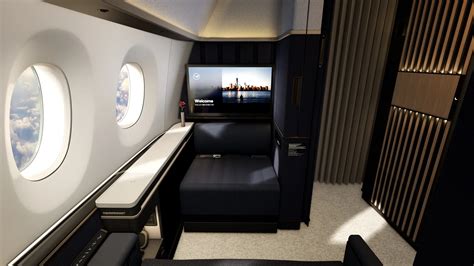
The standout versions are the Suite seats with high walls and doors, along with Extra Long options stretching to 86 inches. Lufthansa also integrated seat heating and cooling directly into the cushions, one of the smartest practical innovations introduced recently. Cabin temperature inconsistency ruins sleep more often than airlines admit.
The visual identity is modern, restrained, and distinctly premium without becoming flashy. Combined with 4K screens and improved storage, Allegris turns Lufthansa from a legacy laggard into a serious contender again.
Travelers should pay close attention during booking because seat maps matter more here than on almost any other airline. Choose wisely and the experience becomes exceptional.
Air France New Business Suite Blends Privacy With Elegant Simplicity
Air France has taken a more refined route. Instead of overengineering the cabin, it focused on polishing nearly every pain point. The result is one of the most balanced business class products flying today.
Installed on selected Boeing 777-300ER aircraft, the new suite features sliding doors, clean lines, tasteful materials, and a cabin atmosphere that feels calm rather than cluttered. Some airlines mistake luxury for visual noise. Air France wisely did the opposite.
The nearly two-meter bed length offers genuine overnight comfort, while the 17.3-inch 4K anti-glare display delivers a noticeably sharper entertainment experience. Bluetooth connectivity means passengers can use their own premium headphones rather than relying on airline-issued options that often feel like punishment devices.
Wireless charging and USB-C ports complete the modern hardware package. Nothing here screams for attention, yet everything works the way it should. That may be the highest compliment possible.
Where Air France excels is cohesion. The meal service, cabin styling, privacy level, and seat comfort all feel aligned. It is less of a gadget showcase and more of a polished premium environment.
United Polaris Studio Creates A Smart “Business Plus” Category
United’s Polaris brand was already competitive, but Polaris Studio adds a clever twist. Instead of reviving a traditional first-class cabin, United uses bulkhead real estate to create oversized business class suites with enhanced amenities.
Located in prime rows on the Elevated Boeing 787-9, Polaris Studio offers about 25% more living space than standard Polaris seats. That extra space changes how the seat feels. On long flights, inches matter more than marketing slogans.
The huge 27-inch 4K OLED screen is arguably the most eye-catching feature among U.S. carriers today. It transforms entertainment from background distraction into something cinematic. Add companion ottomans in many suites and suddenly in-flight dining becomes far more practical.
United also layers in premium touches such as caviar service, Laurent-Perrier Rosé Champagne, and upgraded sleepwear. Cynics may call it branding. Frequent flyers will call it welcome progress.
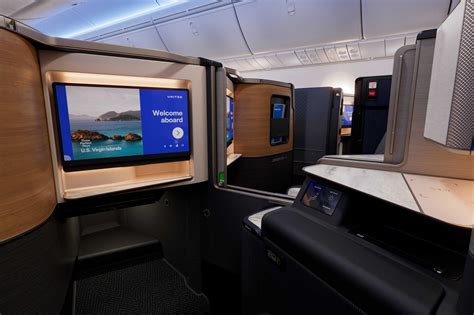
What makes Polaris Studio especially attractive is the flat-fee upgrade concept. Instead of needing a completely different fare class, travelers can sometimes secure a much better seat with predictable pricing.
American Airlines Flagship Suite Fixes A Longstanding Weakness
American Airlines has long offered strong lounges and a broad network, but its premium seat strategy lacked consistency. The new Flagship Suite is the correction.
Appearing on newly configured Boeing 787-9 aircraft and retrofit Boeing 777-300ERs, the suite introduces what many passengers demanded years ago: privacy doors, modern reverse herringbone geometry, direct aisle access, and upgraded tech.
The 79-inch bed length is competitive, while the 17.5-inch 4K HDR display is sharp and bright. Wireless charging is integrated intelligently, allowing phones to remain visible rather than disappearing into awkward cubbies.
One underrated feature is the chaise lounge mode. Many seats are optimized only for upright sitting or sleeping flat. Real travelers spend hours in between those states—lounging, reading, working, watching films. American recognized that gray zone.
The Preferred bulkhead seats with larger footwells will likely become the insider pick. Anyone who has wrestled with cramped foot cubbies at 35,000 feet knows why.
Japan Airlines A350-1000 Business Class Is A Sensory Masterpiece
Japan Airlines approached cabin design differently. Rather than simply adding doors and bigger screens, it engineered a more human experience.
Its Airbus A350-1000 business class suite uses warm lighting, soft textures, and subtle materials to create a calming environment. It feels residential rather than mechanical. That distinction matters on 12-hour flights.
The headline innovation is Safran Euphony headrest speakers built directly into the seat. Instead of wearing headphones for hours, passengers can enjoy audio naturally from the seat itself. That solves neck fatigue, ear discomfort, and the awkward sleep interruption caused by bulky headsets.
A 24-inch 4K screen, personal wardrobe, generous storage, and modern charging options complete a highly thoughtful package.
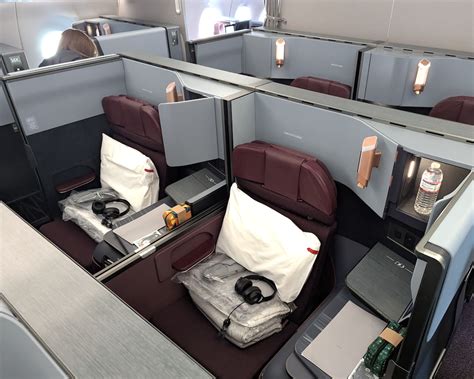
Some nostalgic travelers still admire JAL’s older Apex Suite for width and openness. Fair enough. But in practical day-to-day flying, the new product wins through privacy, storage, and technological sophistication.
Cathay Pacific Aria Suite Modernizes A Beloved Brand
Cathay Pacific had a problem many airlines would envy: its older business class seat was still well-liked. Replacing a popular product is risky. The Aria Suite manages that transition impressively.
Installed on Boeing 777-300ER aircraft, Aria introduces enclosed suites with doors while maintaining Cathay’s reputation for understated luxury. The cream and taupe palette feels upscale and hotel-inspired rather than sterile.
The 24-inch 4K display is among the best in class, while Bluetooth audio and 60W USB-C charging ensure the cabin works for modern devices. The lighting system is especially well executed, allowing travelers to shift the mood from productivity to rest.
Cathay also incorporated curated artwork into the cabin environment, which could sound gimmicky but instead adds subtle personality.
Some passengers note a slightly tighter footwell than the older seat. That is a fair tradeoff for dramatically improved privacy and technology. On overnight flights to Hong Kong, many travelers will happily make that exchange.
Turkish Airlines Crystal Ends The 777 Problem Overnight
Turkish Airlines has long offered world-class catering and an unmatched global network, but one major flaw shadowed its reputation: outdated 2-3-2 seating on Boeing 777s. Middle seats in business class are the aviation equivalent of a bad joke.
Crystal Business Class fixes that instantly.
The new 1-2-1 suite gives every passenger aisle access, privacy doors, and a far more contemporary environment. Developed through Turkish’s own interior subsidiary, it signals serious ambition rather than outsourced compromise.
Seat width reaches 23 inches, notably generous by current standards. A 22-inch entertainment screen, wireless charging, USB-C connectivity, and elegant finishes with marble-inspired accents create a cabin that finally matches the airline’s service reputation.
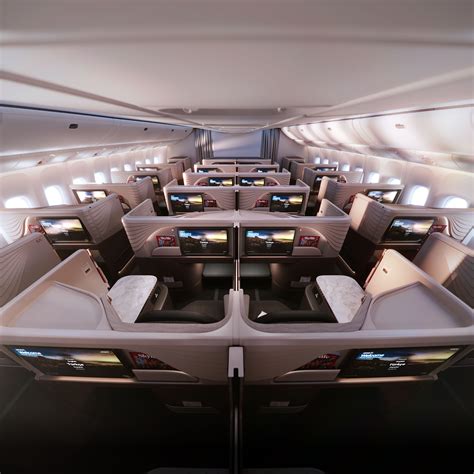
This may be the most dramatic transformation on the list. Few airlines moved from outdated to elite so quickly.
Qatar Airways Qsuite Next Gen Moves The Goalposts Again
Improving an already famous product is difficult. Qatar Airways did it anyway.
The Qsuite Next Gen refines the original concept with taller walls, better spatial engineering, and new motorized Panasonic Astrova 4K OLED screens that can shift position to create expansive social zones.
That matters because Qatar still understands something many airlines miss: premium travelers want flexibility. Sometimes they want privacy. Sometimes they want to dine face-to-face with a partner or colleague. Great design supports both.
Seat width has increased, and bed geometry now offers more shoulder and hip room, reducing the coffin effect found in some enclosed suites.
Low-latency Starlink Wi-Fi pushes connectivity into a new category. For travelers who genuinely need to work in flight, that may become as valuable as the bed itself.
The original Qsuite reset the market. The Next Gen version keeps Qatar ahead while others are still catching up.
Which Upgraded Business Class Is Best Right Now?
There is no universal winner because priorities differ.
If privacy is everything, Qatar Airways, JAL, and Cathay Pacific stand out. If workspace and customization matter most, Lufthansa Allegris is fascinating. If you want a premium experience from a U.S. airline, United Polaris Studio currently feels the most ambitious. If food plus hardware is your dream combination, Turkish Crystal becomes extremely compelling.
The bigger truth is this: long-haul business class is no longer a sleepy category dominated by minor refreshes. Airlines are competing again, and passengers benefit.
That is excellent news—unless you enjoy mediocre seats with tiny footwells and screens from another century. In that case, 2026 is going poorly.