Flying business class on a short-haul route sits at the crossroads of comfort, convenience, and perceived indulgence. For some travelers, it feels like a sensible upgrade that smooths out the entire journey. For others, it appears to be an overpriced badge with limited tangible return once the seatbelt sign turns off. The truth lives somewhere in between, shaped not by distance alone, but by airline strategy, regional norms, aircraft type, and what the traveler actually values.
Short-haul flights compress everything: boarding, service, cruising time, and even expectations. A two-hour sector leaves little room for grand gestures, which is why the question of value becomes sharper than on long-haul routes. Here, every benefit must justify itself quickly, and every shortcoming becomes more obvious. Understanding whether business class is worth it requires moving beyond marketing labels and examining what is genuinely delivered.
The challenge is that short-haul business class is not a single product. It ranges from subtly enhanced economy seating to experiences that closely resemble long-haul premium cabins. This variation explains why opinions are so polarized and why the same upgrade can feel transformational on one route and disappointing on another.
Why Short-Haul Business Class Is So Inconsistent by Design
Unlike long-haul business class, which has converged globally around lie-flat seats and a relatively standardized experience, short-haul business class remains highly fragmented. Airlines design it less around passenger comfort and more around network economics, scheduling flexibility, and competitive positioning.
In many regions, especially Europe, short-haul business class is built to serve connecting passengers. These travelers are not buying the ticket for a 90-minute flight experience but for what surrounds it: lounge access, priority security, flexible fares, and seamless continuity with a long-haul premium cabin. As a result, the onboard product is often intentionally modest.
Elsewhere, particularly in markets where airlines compete with high-speed rail or strong domestic rivals, the onboard experience carries far more weight. In these regions, business class becomes a tool of differentiation rather than pure revenue optimization, leading to wider seats, better catering, and a noticeably calmer cabin atmosphere even on brief flights.
This structural difference explains why expectations formed in one market often lead to disappointment in another. A traveler accustomed to Japanese or US domestic premium cabins may find European short-haul business class underwhelming, while a frequent European business traveler may see it as perfectly fit for purpose.
The Seat Itself: Where Perceived Value Often Rises or Falls
Seat design is the most visible and emotionally charged component of short-haul business class. It is also where the greatest disparities exist. On flights under three hours, even small differences in width, pitch, and personal space can dramatically affect comfort.
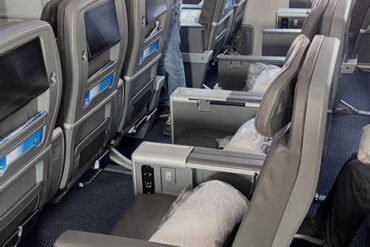
In much of Europe, the standard model relies on economy seats with the middle seat blocked, offering lateral space but little improvement in cushioning, recline, or legroom. The experience feels calmer and less crowded, but not fundamentally different from economy. For travelers focused on physical comfort alone, this can feel like a weak return on a high fare premium.
By contrast, US domestic first class typically provides wider recliner seats with more pitch and shoulder room, creating an immediately noticeable improvement. Even without lie-flat capability, the sense of personal space and ease of movement changes how the flight feels, particularly for taller passengers or those working onboard.
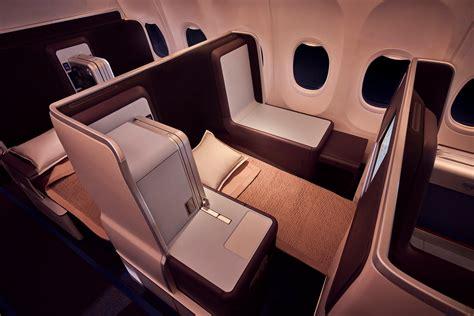
In Asia and parts of the Middle East, some airlines deploy aircraft with dedicated regional business class seats, occasionally approaching long-haul standards. On these routes, the seat alone can justify the upgrade, even when flight time is limited.
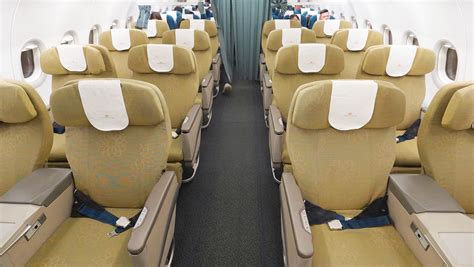
What matters most is not the label but the hardware. Travelers who check aircraft type and seat maps before upgrading are far more likely to feel satisfied than those who rely on the promise implied by the words “business class.”
Ground Experience: The Hidden Engine of Short-Haul Value
On short flights, the ground experience often delivers more value than the seat itself. Priority check-in, fast-track security, and lounge access can collectively save time, reduce stress, and create a sense of control that economy travel rarely offers.
This advantage becomes particularly meaningful at congested hubs, during peak travel hours, or when connections are tight. Skipping long security queues or waiting comfortably in a lounge with reliable Wi-Fi and refreshments can outweigh any onboard shortcomings, especially when the flight itself is brief.
For frequent travelers, early boarding and guaranteed overhead bin space remove a major source of friction. For business travelers, flexible tickets and same-day change options can be more valuable than any meal or drink served onboard.
However, the ground advantage diminishes rapidly at smaller airports, off-peak times, or destinations with limited lounge infrastructure. In these scenarios, the premium paid for business class may buy very little beyond a slightly quieter cabin, making the upgrade harder to justify.
Regional Philosophies That Shape the Experience
Short-haul business class reflects regional travel cultures more than distance. In Europe, flexibility is king. Airlines favor movable curtains and standardized seats because they allow cabins to be resized based on demand, maximizing revenue on every flight. Comfort takes a back seat to adaptability.
In Japan, where airlines compete directly with high-speed rail, the philosophy shifts toward tangible onboard quality. Wider seats, attentive service, and elevated catering are designed to justify choosing air over rail, even on routes barely exceeding an hour.
The United States occupies a middle ground. Domestic first class focuses on physical comfort and upgrade loyalty programs, while premium transcontinental routes push the concept further, sometimes offering lie-flat seats and lounge-style service on flights that are still technically short-haul.
The Middle East blends prestige with consistency. Even on short regional routes, airlines often aim to preserve brand perception, ensuring that business class feels unmistakably premium, even if the seat does not fully match long-haul standards.
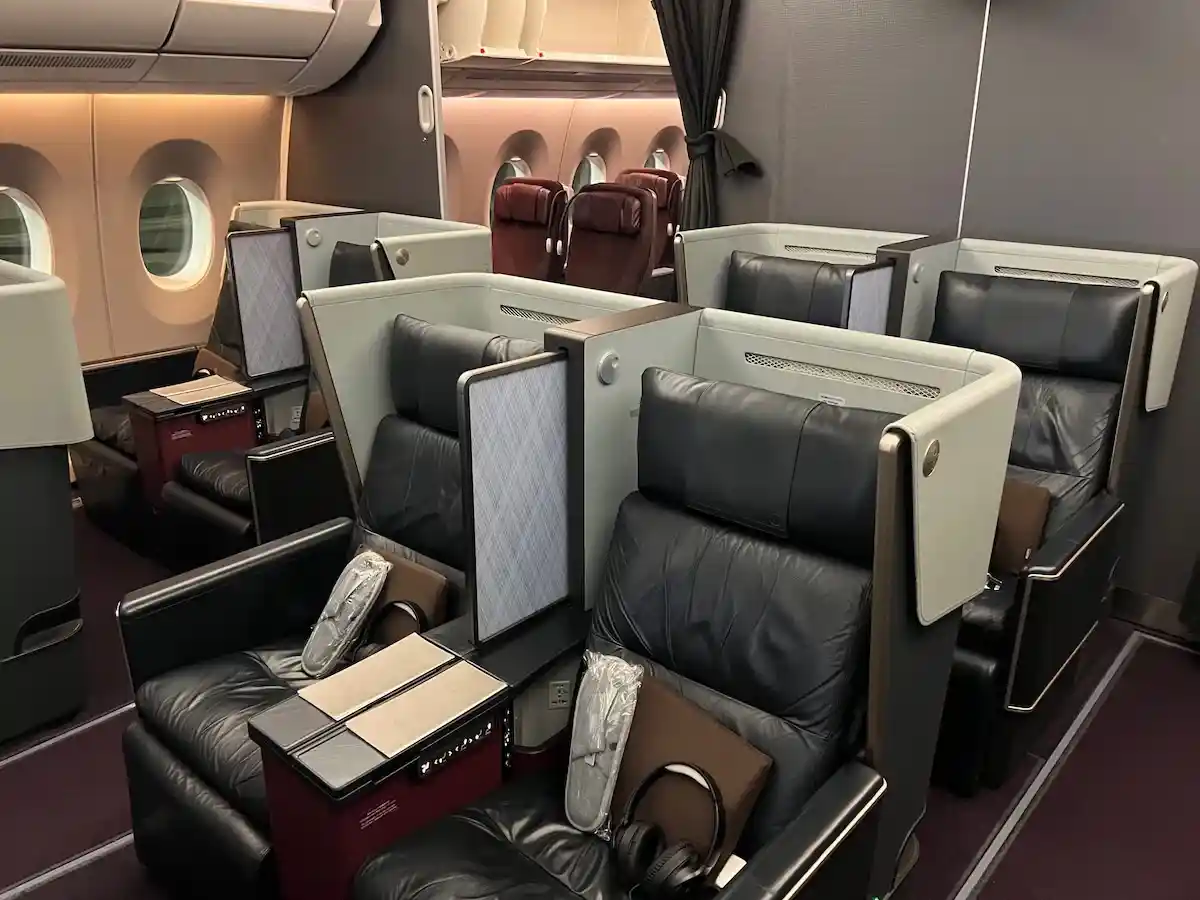
Understanding these philosophies helps explain why value judgments vary so widely. What feels overpriced in one market may feel entirely reasonable in another.
Catering and Service: Nice to Have or Largely Irrelevant?
Food and beverage service on short-haul flights often struggles against time constraints. Boarding delays, short cruise phases, and early descent can compress service to the point where even well-designed offerings feel rushed.
That said, quality still matters. A thoughtfully presented meal or a proper glass of Champagne can elevate the experience psychologically, even if consumed quickly. In premium-focused markets, catering reinforces the sense that the upgrade is about more than just logistics.
In minimalist models, catering serves a symbolic role rather than a practical one. It signals status and differentiation but rarely becomes a decisive factor in perceived value. For many travelers, the ability to eat in the lounge before boarding renders onboard meals largely irrelevant.
Service quality, however, often has a disproportionate impact. Attentive, unhurried cabin crew can make a short flight feel calm and personalized, while indifferent service can quickly undermine the premium narrative.
When Short-Haul Business Class Feels Overpriced
There are clear scenarios where short-haul business class struggles to justify its cost. Flights under 90 minutes, especially during off-peak hours, offer limited opportunity to enjoy most premium benefits. When the fare difference is substantial, the return diminishes quickly.
Inconsistency also plays a major role. Aircraft swaps can turn a promising upgrade into a mediocre experience, particularly on routes where multiple configurations are used interchangeably. Paying a premium without certainty around the hard product increases the risk of disappointment.
Leisure travelers seeking relaxation rather than efficiency are often the most dissatisfied when expectations are misaligned. Without lie-flat seats or a clearly superior cabin, business class may fail to deliver the emotional payoff they associate with the upgrade.

When It Makes Undeniable Sense to Upgrade
Short-haul business class delivers strong value when its benefits align directly with the traveler’s priorities. Early-morning departures, same-day returns, and tight connections magnify the usefulness of priority services and lounges.
For travelers connecting to or from long-haul business class, maintaining continuity can reduce fatigue and stress, making the short sector feel like part of a single, cohesive journey rather than a downgrade.
Frequent flyers leveraging miles, vouchers, or modest cash upgrades often extract excellent value, especially when the incremental cost is low relative to the benefits gained. In these cases, business class becomes less about luxury and more about travel optimization.
A Practical Way to Decide Before You Book
Rather than asking whether business class is worth it in general, the better question is what exactly you are paying for on that specific flight. Evaluating aircraft type, seat configuration, lounge quality, airport congestion, and fare difference provides a far clearer answer than flight duration alone.
Short-haul business class is best understood as a modular product. Sometimes the modules align perfectly with your needs, creating real value. Other times, they do not, and economy or premium economy may offer a smarter balance.
Final Verdict: Worth It, But Only in Context
Business class on short-haul flights is neither inherently wasteful nor automatically worthwhile. Its value emerges from context, not category. In some markets, it delivers genuine comfort and calm in a compressed timeframe. In others, it functions primarily as a bundle of ground-based privileges with a modest onboard upgrade.
The travelers who benefit most are those who approach the decision analytically rather than emotionally. By focusing on what is actually delivered rather than what the label implies, short-haul business class can become a strategic tool rather than an indulgent gamble.
When chosen thoughtfully, it enhances the journey in ways that matter. When chosen blindly, it risks feeling like a promise only half kept.