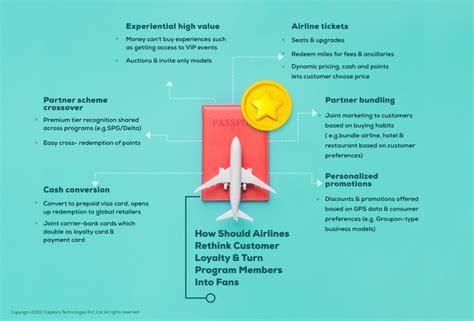
Airline loyalty used to feel like a handshake agreement. Fly often, stick with one carrier, and over time the system would quietly pay you back with free trips, upgrades, and a sense that the airline actually knew your name. For decades, programs like American Airlines AAdvantage, United MileagePlus, Delta SkyMiles, and Southwest Rapid Rewards shaped how frequent flyers planned their lives, sometimes even choosing connections or higher fares just to stay “loyal.”
That simple bargain has changed. Over the past decade, loyalty programs have been reshaped by revenue pressure, digital pricing models, the explosion of credit-card partnerships, and a pandemic that broke long-standing travel habits. Loyalty still exists, but it now plays by new rules—rules that reward how much you spend far more than how often you fly. For some travelers, this evolution has made loyalty more powerful than ever. For others, it has quietly drained the magic out of miles.
From Mileage to Money: How Loyalty Programs Quietly Rewrote the Deal
When airline loyalty programs first took off in the 1980s, the math was refreshingly human. Fly farther, earn more miles. A coast-to-coast economy ticket felt like progress toward something tangible, and elite status was a natural byproduct of time spent in the air. Airlines encouraged that mindset because it locked travelers into predictable behavior.
Over time, that logic collided with financial reality. Airlines discovered that loyalty programs were not just marketing tools but massive profit centers, often generating more value than the flights themselves. The pivot toward revenue-based earning accelerated in the mid-2010s and has now become the dominant model across the US. Delta SkyMiles and United MileagePlus award miles based primarily on ticket price. American Airlines followed with its Loyalty Points system, blending flight spend with credit-card activity and partner earnings.
For travelers, this has fundamentally changed what “frequent flyer” means. A consultant buying last-minute business-class tickets can earn elite status with a fraction of the flights once required, while a budget-minded traveler flying monthly on discounted fares may struggle to move the needle at all. Loyalty has shifted from being about commitment to being about profitability.
Elite Status: Harder to Reach, Narrower in Value
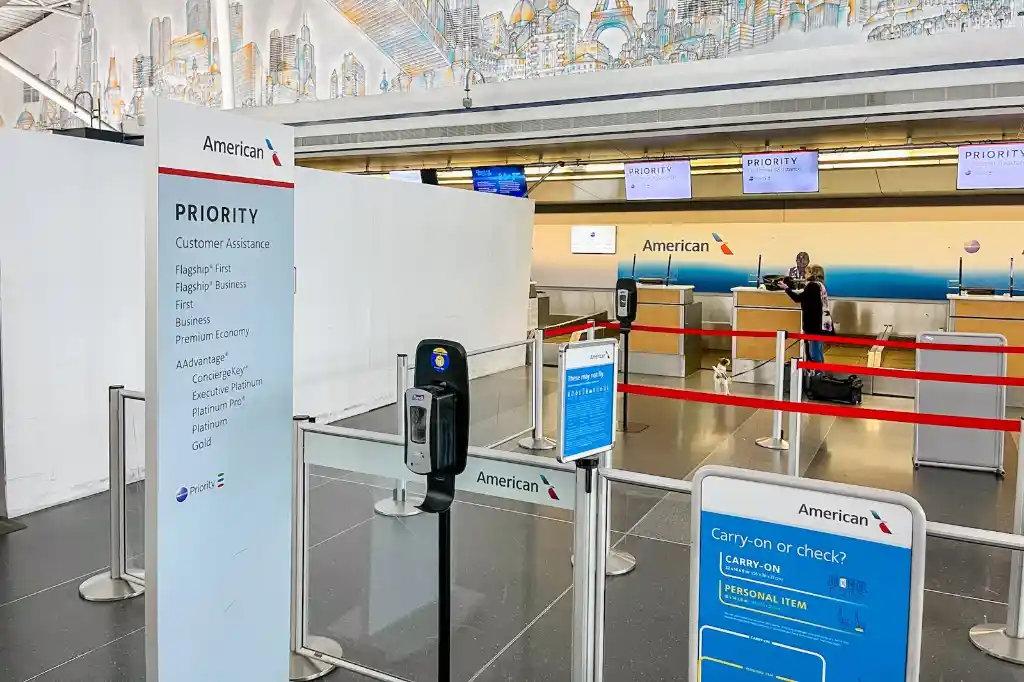
Elite status once felt like a ladder anyone could climb with persistence. Today, it resembles a gated community. All three major US network carriers now require significant spending thresholds to unlock meaningful benefits. Delta’s Medallion Qualification Dollars, United’s Premier Qualifying Dollars, and American’s Loyalty Points systems all emphasize cash flow over flight count.
This change has sharpened the divide between premium travelers and everyone else. Top-tier elites still enjoy priority upgrades, fee waivers, lounge access, and operational flexibility that can feel almost luxurious during disruptions. Yet for mid-tier travelers, the value proposition has weakened. Complimentary upgrades clear less often. Lounges are crowded. Priority services feel less exclusive than the marketing suggests.
The psychological effect matters. Loyalty programs once made travelers feel recognized. Today, many feel evaluated. The message is subtle but clear: loyalty is welcome, but spending is loved.
The Pandemic Shock That Exposed Fragile Loyalty
The COVID-19 pandemic didn’t just disrupt schedules; it exposed how conditional airline loyalty had become. When business travel collapsed, millions of elite members found themselves grounded, unable to requalify through no fault of their own. Airlines responded with status extensions and relaxed qualification rules, but the illusion was broken.
Travelers learned something uncomfortable. Much of their “loyalty” only mattered when planes were full and profits steady. When flexibility, refunds, and route availability became top priorities, brand allegiance faded fast. Many passengers booked whichever airline could actually get them home.
The long-term impact still lingers. Business travel has not fully returned, and remote work has permanently reduced the need for routine domestic flights. Loyalty programs, once built around predictable weekly travel, are now chasing a traveler who flies less often but expects more flexibility and optionality.

Younger Travelers and the End of Automatic Allegiance
Generational change has quietly undermined traditional loyalty models. Surveys consistently show that Millennials and Gen Z travelers prioritize price, schedule, and convenience over airline brand. Loyalty programs are seen less as long-term investments and more as optional tools—useful when they align with a trip, irrelevant when they don’t.
This shift is rational. Younger travelers came of age in a world of dynamic pricing, comparison apps, and instant alternatives. The idea of paying more today for a hypothetical reward tomorrow feels less compelling, especially when miles can be devalued overnight. Airlines have responded by expanding non-flight earning options and lifestyle partnerships, but this has further diluted the core idea of loyalty tied to flying.
Dynamic Award Pricing: Flexibility at the Cost of Certainty
Perhaps no change has frustrated frequent flyers more than dynamic award pricing. Fixed award charts once gave miles a predictable value. Save 25,000 miles, get a domestic round-trip. That certainty made loyalty feel like a savings account.
Today, miles behave more like airline stock—volatile and demand-driven. Delta SkyMiles famously removed published award charts, allowing prices to float freely. United and American followed with increasingly flexible models. The result is a system where the same seat can cost wildly different amounts of miles depending on timing, demand, and algorithmic mood.
There is an upside. Dynamic pricing means nearly every seat is technically redeemable, reducing blackout dates. For travelers with flexibility, occasional sweet spots still appear. But for those who value planning, the erosion of predictability has weakened trust. Miles feel less like currency and more like coupons with moving fine print.
Credit Cards: The New Engine of Airline Loyalty
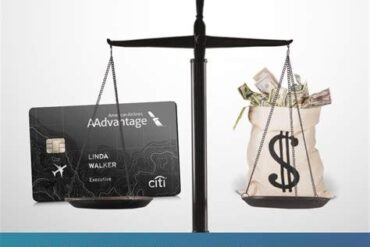
Modern airline loyalty is powered less by jet fuel and more by credit cards. Co-branded cards from American Express, Chase, and Citi generate billions in revenue for airlines and have become the fastest path to elite status for many travelers. Sign-up bonuses, everyday spending multipliers, and elite-qualifying credits allow members to earn rewards without flying at all.
This has democratized access to perks while simultaneously complicating the system. Travelers who understand card ecosystems can extract enormous value through strategic spending. Those who don’t may pay annual fees without ever unlocking meaningful benefits. Loyalty has become less about devotion and more about optimization.
The irony is striking. Many top-tier elites now earn status primarily through grocery stores, online shopping, and dining programs, not through time spent in the air. Airline loyalty has quietly transformed into a financial game layered on top of travel.
Southwest: A Different Philosophy, Same Pressures
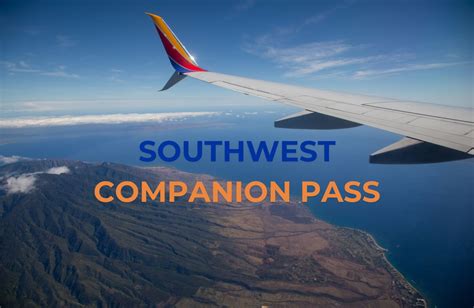
Southwest Rapid Rewards remains something of an outlier. Its points are still tied closely to fare price, and the airline’s Companion Pass remains one of the most powerful loyalty perks in the industry. Southwest’s transparent policies and lack of traditional elite classes appeal to travelers who value simplicity.
Yet even Southwest is not immune to industry pressure. Fare segmentation, evolving boarding policies, and subtle revenue optimization have crept in. The difference is tone. Southwest frames loyalty as a practical benefit rather than an aspirational status ladder, and that clarity resonates with many modern travelers.
Is Loyalty Still Worth It for the Average Traveler?
The honest answer depends on how you travel—and how much mental energy you are willing to invest. For high-spending travelers, airline loyalty remains extraordinarily valuable. Elite status can smooth disruptions, unlock upgrades, and turn chaos into inconvenience. For those who master credit-card strategies, loyalty programs can deliver outsized returns.
For infrequent or price-sensitive travelers, the equation is less forgiving. Chasing loyalty can lead to higher fares, inconvenient routings, and miles that lose value before they are used. In these cases, flexibility often beats allegiance. Booking the best flight for each trip, while casually earning points where convenient, may produce better real-world outcomes.
Global Trends: The Same Story, Different Accents
Outside the US, loyalty programs are evolving along similar lines. European carriers have leaned into revenue-based earning, sometimes alienating long-haul economy flyers. Asian programs like Singapore Airlines KrisFlyer and Cathay Pacific Asia Miles still reward distance but have expanded dynamic pricing and lifestyle partnerships. Middle Eastern carriers continue to position loyalty as part of a premium ecosystem while tightening award availability.
The pattern is consistent. Airlines are monetizing loyalty more aggressively, turning miles into flexible financial instruments rather than fixed promises. Loyalty is no longer about nostalgia. It is about data, margins, and behavioral economics.

The New Meaning of Loyalty in Aviation
Airline loyalty has not disappeared. It has matured, hardened, and in some ways, grown colder. The emotional appeal of flying the same airline for decades has been replaced by a more transactional relationship. Loyalty today rewards those who understand the rules, read the fine print, and adapt quickly.
For travelers willing to play that game, loyalty can still unlock remarkable value. For everyone else, the smartest move may be selective engagement—earning miles when convenient, using them opportunistically, and refusing to confuse brand attachment with guaranteed reward.
In the end, airline loyalty in this decade is not about faithfulness. It is about leverage.