Airports have always been theaters of quiet status hierarchies. The early-morning terminal tells a familiar story: business travelers with worn carry-ons line up for security, while a handful of passengers slip past the crowds and into airline lounges with effortless ease. For decades, the unspoken rule was simple—the more you flew, the more the airline rewarded you.
Yet something curious has happened over the past decade. A traveler who spends forty or fifty flights a year bouncing between cities might find themselves watching a colleague with far fewer trips breeze into premium lounges or board earlier simply because they carry the right credit card or purchase higher-priced tickets.
That shift has sparked a persistent question across the aviation world: do airline loyalty programs still reward frequent flyers, or have they evolved into systems designed primarily for big spenders?
The answer lies in how airlines have reengineered the very concept of loyalty. What once measured commitment in miles flown increasingly measures it in money spent across a broader commercial ecosystem—tickets, premium upgrades, credit card purchases, and partner transactions.
Understanding that transformation requires a closer look at the economics of modern aviation and the strategic reinvention of airline loyalty programs.
By the time the puzzle pieces fall into place, one realization becomes unavoidable: loyalty in aviation today is less about how often you travel and more about how valuable you are to the airline’s business model.
The Original Promise of Frequent Flyer Programs
Airline loyalty programs began with a remarkably simple idea. When American Airlines launched AAdvantage in 1981, the concept was revolutionary but straightforward: passengers who flew more miles earned rewards.
The formula worked because it aligned perfectly with airline incentives. Aircraft seats are perishable inventory—once a plane departs, any empty seat represents lost revenue that can never be recovered. Encouraging passengers to concentrate their travel with one airline helped carriers stabilize demand and keep planes full.
Frequent flyer programs evolved around three core metrics:
- Distance flown
- Number of flight segments
- Fare class multipliers
Travelers accumulated redeemable miles and gradually climbed elite tiers that unlocked benefits such as:
- Complimentary upgrades
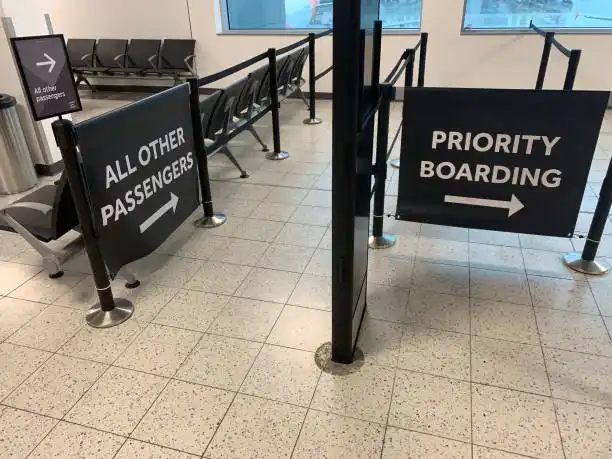
- Priority boarding
- Lounge access
- Waived baggage fees
- Dedicated customer service
For the corporate road warrior, the system felt like a fair exchange. Commit to one airline, endure delays and connections, and the airline would reward loyalty with tangible perks.
The psychological component was powerful. Elite status became both a badge of honor and a practical tool, smoothing the rough edges of constant travel.
But aviation economics rarely stay static for long.
The Quiet Shift From Miles to Money
During the early 2000s and accelerating after the 2008 financial crisis, airlines began transforming loyalty programs into something far more sophisticated—and far more profitable.
The catalyst was data-driven revenue management. Airlines learned that two passengers sitting in identical seats could represent wildly different economic value.
One traveler might purchase a last-minute business ticket costing $1,200. Another might buy a discounted fare months in advance for $180.
Under traditional loyalty systems, both passengers could earn identical mileage credit if they flew the same distance. From the airline’s perspective, that meant rewarding customers equally despite massive differences in profitability.
Modern loyalty programs corrected that imbalance by introducing revenue-based earning structures.
Instead of rewarding miles alone, programs increasingly tie points and status qualification to:
- Ticket price
- Fare class
- Ancillary purchases
- Partner spending
The logic is brutally simple. Airlines are not loyalty charities—they are complex businesses managing thin margins. Revenue became the most rational metric for defining loyalty.
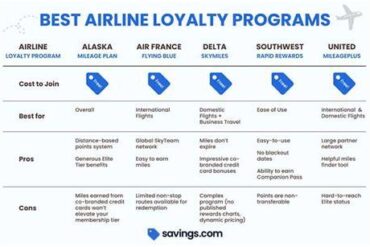
This philosophy shift gradually spread across major carriers, particularly in the United States, where programs such as Delta SkyMiles, United MileagePlus, and American Airlines AAdvantage redesigned their elite qualification structures.
The result is a new ecosystem where flying frequently no longer guarantees elite benefits unless it also generates significant revenue.
Three Types of Travelers in the Modern Loyalty Economy
Today’s airline loyalty programs effectively divide customers into three broad behavioral categories. Each interacts with the system differently, and each receives different levels of reward.
1. The Traditional Frequent Flyer
This traveler logs 30 to 80 or more flight segments annually, often on economy fares negotiated through corporate travel policies or purchased at discount prices.
Their value to the airline lies primarily in volume rather than revenue per trip.
While they still accumulate miles and may achieve mid-tier elite status, their upgrade chances and premium benefits often feel diluted due to competition from higher-spending travelers.
2. The Big Spender
This category includes passengers who may fly far less frequently—perhaps five to twenty-five trips per year—but spend significantly more per journey.
These travelers often purchase:
- Flexible business fares
- Premium cabin seats
- Last-minute bookings
- High-margin ancillary services
In addition, they frequently hold airline-branded credit cards that funnel substantial consumer spending into the airline’s partner ecosystem.
From a profitability standpoint, these customers can be far more valuable than a traveler flying dozens of discount economy trips.
3. The Hybrid Customer
The most coveted group combines moderate travel frequency with meaningful spending.
These passengers:
- Fly regularly for work
- Occasionally purchase premium cabins
- Use co-branded credit cards heavily
- Engage with airline partners such as hotels and rental cars
Airlines love this segment because it produces consistent revenue across multiple channels, making the traveler deeply integrated into the airline’s commercial ecosystem.
The modern loyalty system is largely designed to cultivate and retain this hybrid customer.
Why Upgrades Became Much Harder to Get
For decades, complimentary upgrades were the crown jewel of airline loyalty. Elite travelers often enjoyed the thrill of seeing their name climb the upgrade list minutes before boarding.
Today that experience has become dramatically rarer.
The reason lies in a simple but powerful change: airlines have become extremely effective at selling premium seats instead of giving them away.
In the past, domestic first-class cabins often departed partially empty. Airlines filled those seats with elite upgrades as a loyalty perk.
Now sophisticated pricing algorithms constantly adjust fares to maximize premium cabin sales. Passengers routinely receive targeted offers to upgrade at discounted rates during booking or check-in.
The impact has been dramatic.
Before the pandemic, Delta Air Lines reported that roughly 63 percent of domestic first-class seats were sold. That left a sizable pool for complimentary upgrades.
Today, the paid load factor has climbed significantly, leaving only a small fraction of seats available for upgrades.
Simultaneously, more travelers hold elite status or elite-like priority through credit cards and partner programs. The upgrade queue has grown longer while the number of available seats has shrunk.
The result is a peculiar paradox: many travelers hold elite status, but far fewer experience elite upgrades.
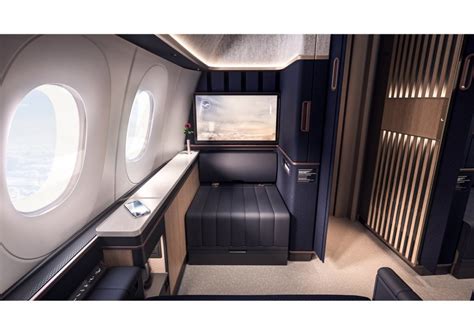
The Lounge Access Crunch
Airport lounges once represented another predictable perk of frequent flyer status. Elite travelers could reliably escape crowded terminals and enjoy quiet seating, complimentary food, and Wi-Fi.
That certainty has largely disappeared.
The explosion of premium credit cards has dramatically expanded lounge access. Cards such as the American Express Platinum and airline-branded premium cards grant entry privileges that previously required elite status or premium tickets.
The sudden influx of new guests created severe overcrowding.
Airlines responded by tightening access rules and introducing capacity controls.
Several notable changes illustrate the shift:
- Single-use lounge passes have largely disappeared or become heavily restricted.
- Many credit-card holders now face annual visit limits unless they meet high spending thresholds.
- Airlines introduced time restrictions, often allowing entry only within three hours of departure.
- Guest privileges have become more limited or more expensive.
The lounge experience has effectively transformed from a loyalty perk into a managed premium product. Entry is no longer guaranteed even for some frequent travelers.
This evolution reflects a broader truth about modern aviation: perks that once felt exclusive are increasingly commoditized and monetized.

Credit Cards: The Hidden Engine of Airline Loyalty
Perhaps the most important transformation in airline loyalty programs has little to do with flying at all.
Behind the scenes, airlines generate billions of dollars by selling miles to banks that issue co-branded credit cards.
When consumers use these cards for everyday purchases, banks buy large quantities of miles from the airline and distribute them as rewards.
This arrangement has become extraordinarily profitable.
In 2025, major U.S. airlines generated enormous loyalty-related revenues through these partnerships:
- Delta Air Lines received more than $8 billion from its partnership with American Express.
- American Airlines generated over $6 billion from Citi and other partners.
- United Airlines earned roughly $3 billion through its relationship with JPMorgan Chase.
These numbers reveal something remarkable. In many cases, loyalty programs produce higher margins than the airlines’ core flying operations.
Operating an airline involves enormous costs: fuel, aircraft maintenance, labor, airport fees, and weather disruptions.
Selling miles to banks, by contrast, is largely a financial transaction with extraordinarily high margins.
This explains why airlines increasingly encourage customers to engage with their credit cards. Every swipe generates revenue that is far more predictable than ticket sales.
From a business perspective, a passenger who charges thousands of dollars per month to an airline credit card may be more profitable than someone flying multiple discounted economy tickets.
Why Airlines Redefined “Loyalty”
Once the financial significance of credit cards and partner ecosystems became clear, airlines adjusted their loyalty definitions accordingly.
Instead of measuring loyalty solely through travel activity, they began evaluating total customer value.
That includes spending across multiple channels:
- Flight tickets
- Premium cabin purchases
- Credit card transactions
- Hotel and car rental partners
- Ancillary purchases such as seat upgrades or baggage
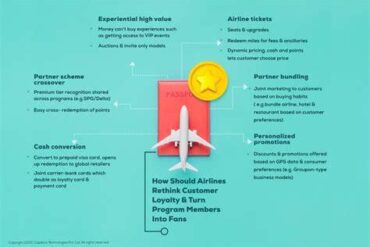
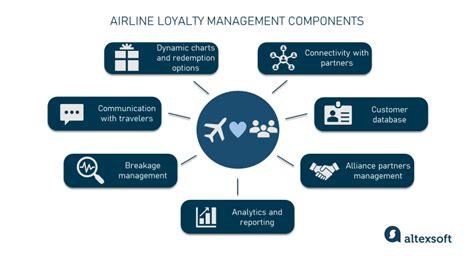
In this framework, the airline views the customer not simply as a passenger but as a participant in a broader commercial network.
The traveler who contributes revenue across several of these channels naturally rises in importance.
This explains why modern loyalty programs sometimes feel confusing to traditional frequent flyers. The traveler who spends heavily in the ecosystem may achieve elite-like privileges with far fewer flights.
From the airline’s perspective, that traveler may be delivering greater overall profit.
Do Frequent Flyers Still Benefit?
Despite these changes, frequent flyers have not been abandoned entirely. Elite status still offers meaningful advantages for travelers who spend significant time in airports and aircraft cabins.
Consistent benefits include:
- Priority check-in and boarding
- Waived baggage fees
- Preferred seating options
- Dedicated customer service lines
- Improved award seat availability
For travelers who fly dozens of times each year, these conveniences reduce the friction of constant travel.
However, expectations must evolve. The golden era when mid-tier elites could reliably expect upgrades and effortless lounge access has largely faded.
Today, status improves the travel experience but does not guarantee luxury perks.
Frequent flyers still receive recognition, but the scale of rewards increasingly reflects revenue contribution rather than flight count alone.
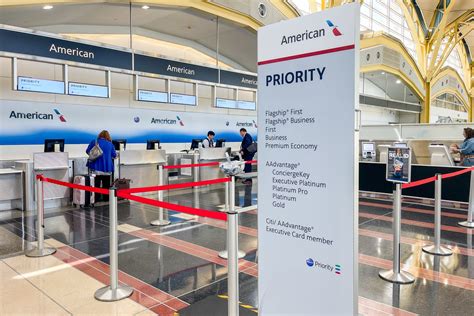
Strategies for Navigating Modern Loyalty Programs
Understanding the modern loyalty landscape allows travelers to adapt their strategies more effectively.
The most important principle is clarity about travel goals. Many passengers chase elite status without considering whether the benefits justify the effort.
For travelers seeking upgrades, expectations should remain realistic. Premium cabins sell far more frequently than they once did, which means complimentary upgrades have become rare outside top-tier status levels.
For those who value smoother journeys rather than luxury perks, mid-tier elite status can still provide meaningful comfort through priority services and seating advantages.
Consolidating flights within a single airline alliance also remains a practical tactic. Spreading travel across multiple airlines often results in insufficient status everywhere.
Credit cards should be viewed as tools rather than symbols of loyalty. When used strategically, they can accelerate mileage earning and unlock lounge access or fee waivers. However, annual fees only make sense if the benefits are fully utilized.
Another important perspective involves the nature of frequent flyer miles themselves. These points function less like savings accounts and more like currencies subject to inflation.
Airlines periodically adjust redemption rates, meaning miles can lose value over time. Travelers who redeem miles for meaningful trips rather than hoarding them often extract greater real-world benefit.
Ultimately, the smartest travelers treat loyalty programs as negotiated relationships rather than emotional commitments.
The Future of Airline Loyalty
Airline loyalty programs continue to evolve as technology and consumer behavior change. Data analytics, personalized pricing, and dynamic reward structures are likely to make programs even more sophisticated.
One emerging trend involves deeper integration between airlines and lifestyle spending. Travel rewards increasingly connect with dining programs, retail purchases, and subscription services.
Artificial intelligence also allows airlines to analyze customer behavior in remarkable detail. Personalized offers—such as targeted upgrade discounts or mileage promotions—can be delivered with precision.
This means loyalty programs may become more individualized rather than universally structured.
Some travelers will receive lucrative offers based on their spending patterns, while others encounter fewer incentives.
From a strategic standpoint, airlines will continue prioritizing the customers who generate the highest long-term value.
That approach may frustrate some traditional frequent flyers, but it reflects the economic reality of a fiercely competitive industry.
Loyalty in Aviation Has Become a Business Transaction
The romantic idea of airline loyalty once centered on miles flown and years spent crisscrossing the skies.
Today that romanticism has given way to a more pragmatic equation.
Airlines still reward loyalty—but loyalty now means delivering revenue across a broader commercial ecosystem.
Frequent travelers who purchase premium fares or engage deeply with airline credit cards remain highly valued. Occasional travelers who spend heavily may receive similar recognition. Meanwhile, travelers who fly often but spend minimally may find the rewards less generous than they once were.
This shift can feel unfair to the traditional road warrior who built loyalty through sheer travel volume. Yet from a business perspective, airlines are simply aligning rewards with profitability.
In the end, airline loyalty programs still offer value—but only when travelers understand the new rules of the game.
The smartest approach is to treat loyalty like any other transaction: evaluate the benefits, measure the costs, and engage only when the exchange makes sense.
For modern travelers navigating crowded airports and increasingly complex reward systems, strategic loyalty often matters more than blind loyalty.