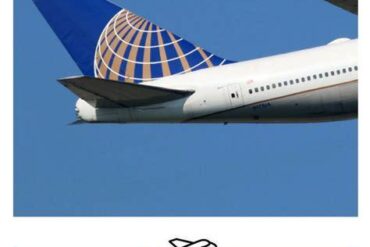
The aviation industry has entered an era where loyalty is no longer just rewarded—it is strategically engineered. In 2026, United Airlines has unveiled a sweeping transformation of its MileagePlus program, and the response from passengers has been anything but quiet. What once functioned as a straightforward rewards system has now evolved into a layered ecosystem, one that clearly distinguishes between casual travelers and deeply invested customers.
At the heart of this overhaul lies a deliberate recalibration of value. United is not simply tweaking numbers; it is redefining what loyalty means in a modern airline economy. For some, the changes signal a smarter, more rewarding future. For others, they represent a narrowing path to meaningful benefits.
The conversation unfolding among travelers reflects a deeper truth: airline loyalty programs are no longer just perks—they are strategic battlegrounds where airlines compete for long-term customer commitment.
A Fundamental Reset of Mileage Earning Economics
Beginning in April 2026, the most immediate and noticeable shift comes in how passengers earn miles. Historically, MileagePlus members earned five miles per dollar spent on eligible flights. That familiar benchmark has now been lowered to three miles per dollar for general members without a co-branded credit card.
This adjustment is not a subtle change—it is a structural reset. By reducing the baseline earning rate, United has effectively introduced a new hierarchy within its loyalty ecosystem. The implication is clear: not all loyalty is valued equally anymore.
Passengers who do not engage beyond ticket purchases will find themselves accumulating miles at a significantly slower pace. Meanwhile, those who participate more deeply—especially through financial partnerships—are positioned to recover and even exceed previous earning levels.
This recalibration reflects a broader industry philosophy. Airlines are increasingly prioritizing high-value behavioral loyalty over passive participation. In other words, it is no longer enough to fly; how you engage with the brand matters just as much.
The Emergence of a Two-Tier Loyalty System
What makes the 2026 update particularly consequential is the introduction of what can only be described as a two-tier loyalty structure. On one side are passengers who hold United’s co-branded credit cards. On the other are those who do not.
This division fundamentally alters the competitive landscape within the program. Credit card holders benefit from enhanced earning rates that can, in some cases, double the mileage accrual compared to non-cardholders. Over time, this creates a widening gap between two groups of travelers who may be flying the exact same routes.
The psychological impact of this shift is just as important as the financial one. Loyalty programs have always relied on perceived fairness and attainable rewards. By introducing a system where benefits are heavily gated behind financial products, United is reshaping that perception.
For frequent flyers already embedded in the United ecosystem, this is an upgrade. For everyone else, it can feel like the rules of the game have quietly changed mid-play.
Basic Economy Loses Its Last Loyalty Incentive
Perhaps the most debated aspect of the overhaul is the decision to eliminate mileage earning for most basic economy tickets. These fares, designed to attract price-sensitive travelers, previously offered at least a minimal pathway into the loyalty system. That pathway is now largely closed.
Passengers purchasing basic economy tickets without elite status or a qualifying credit card will earn zero miles. The significance of this move cannot be overstated. It effectively removes the incentive for budget travelers to remain loyal if price is their primary consideration.
From a strategic standpoint, the decision aligns United with competitors that have already taken similar steps. However, alignment does not eliminate frustration. For many occasional travelers, this change transforms loyalty from a gradual journey into an all-or-nothing proposition.
The message is unmistakable: entry-level engagement no longer guarantees participation in the rewards ecosystem.
Credit Card Holders Become the Program’s Core Beneficiaries
While some passengers see reduced benefits, others are entering what could be considered a golden era of rewards. United’s co-branded credit card holders now sit at the center of the MileagePlus universe.
These customers enjoy multiple layers of advantage. Enhanced earning rates significantly accelerate mileage accumulation, while built-in redemption discounts—starting at 10% and reaching up to 15% or more—reduce the cost of award travel.
Consider a domestic redemption route. A flight that costs 10,000 miles for a general member may drop to approximately 9,000 miles for a cardholder. On long-haul premium routes, the savings become even more pronounced, creating tangible value for those deeply integrated into the system.
Equally important is expanded access to award inventory. Cardholders are more likely to secure lower-priced seats, including coveted saver awards and premium cabin options. This increased availability addresses one of the most common frustrations in loyalty programs: the inability to actually use accumulated miles effectively.
Family-Friendly Features Introduce a Softer Edge
Amid the more controversial changes, United has introduced a feature that signals a more inclusive approach to loyalty: family account linking. Parents can now connect their MileagePlus accounts with those of their children under 18, allowing younger travelers to benefit indirectly from adult-level earning rates and redemption discounts.
This adjustment addresses a long-standing inefficiency. Traditionally, children’s accounts accumulate miles too slowly to be useful, often resulting in fragmented and underutilized rewards. By enabling shared benefits, United is making family travel more cohesive and rewarding.
The feature also reflects an understanding that loyalty is not always individual—it is often collective. Families who travel together represent a valuable segment, and making rewards more accessible to them strengthens long-term engagement.
However, the structure still maintains clear boundaries. Elevated earning rates remain tied to the primary cardholder, ensuring that the program continues to prioritize its most financially engaged members.
Why Credit Cards Are Now Central to Airline Loyalty
To fully understand this overhaul, it is essential to look beyond the passenger experience and examine the economics driving these decisions. Airline loyalty programs have evolved into multi-billion-dollar revenue engines, largely fueled by partnerships with financial institutions.
When customers use co-branded credit cards, banks purchase miles from airlines to distribute as rewards. This transaction generates consistent, high-margin revenue that often surpasses the profitability of ticket sales themselves.
United’s latest changes are a direct reflection of this reality. By making credit cards the most powerful tool within MileagePlus, the airline is reinforcing a business model that prioritizes predictable, scalable income streams.
This strategy is not unique to United, but its execution here is particularly pronounced. The program is no longer just a reward system—it is an integrated financial ecosystem designed to maximize both engagement and revenue.
Diverging Outcomes for Different Types of Travelers
The real-world impact of these changes varies dramatically depending on how passengers interact with United Airlines.
Frequent travelers who already hold co-branded credit cards are positioned to benefit the most. Their combined advantages—status bonuses, elevated earning rates, and discounted redemptions—create a compounding effect that accelerates rewards accumulation.
Elite members within this group may experience some of the highest earning efficiencies in the industry. For them, the new system does not just maintain value—it enhances it.
In contrast, occasional travelers face a different reality. Those who fly infrequently, book basic economy fares, or rely on general travel credit cards will likely see diminished returns. The path to meaningful rewards becomes longer and less certain.
This divergence highlights a broader trend in the airline industry: loyalty programs increasingly reward depth over breadth. Casual engagement is no longer sufficient to unlock significant benefits.
A Strategic Bet on Deep Loyalty Over Broad Appeal
United Airlines’ 2026 MileagePlus overhaul is not merely a set of policy changes—it is a strategic statement. The airline is betting that rewarding its most engaged customers more generously will drive stronger long-term loyalty, even if it risks alienating less committed travelers.
This approach carries both opportunity and risk. On one hand, it creates a highly compelling value proposition for passengers willing to fully invest in the United ecosystem. On the other, it narrows the program’s accessibility, potentially pushing price-sensitive travelers toward competitors.
What makes this shift particularly significant is its timing. As airlines continue to refine their loyalty strategies, the balance between inclusivity and exclusivity is becoming increasingly delicate.
United has chosen its side with clarity.
The Future of MileagePlus and Passenger Loyalty
The changes taking effect in April 2026 mark a turning point for MileagePlus. They redefine not just how miles are earned and redeemed, but what it means to be a loyal customer in the modern aviation landscape.
For some passengers, the program will feel more rewarding than ever. For others, it may feel like the ladder has been pulled slightly higher. Either way, the conversation surrounding these updates underscores a fundamental shift in airline strategy.
Loyalty is no longer a passive byproduct of travel—it is an actively cultivated relationship, shaped by spending patterns, financial partnerships, and long-term engagement.
As passengers adapt to this new reality, one thing is certain: the way travelers think about airline loyalty is changing, and United Airlines is leading that transformation with bold, unapologetic intent.