Modern travel sells itself as frictionless, optimized, and obsessively engineered for comfort. Yet anyone who flies often knows that the reality is far messier. Beneath the polished branding, mood lighting, and loyalty-program promises lies a collection of small, persistent irritations—those oddly specific moments that don’t quite rise to the level of a complaint but still quietly grind away at a traveler’s patience.
These quirks are fascinating precisely because they are so normalized. They’re repeated daily across cabins, airports, and hotels worldwide, rarely questioned out loud, yet universally noticed. From baffling onboard rituals to outdated systems that refuse to die, these travel oddities expose the strange gap between logic and legacy in the industry.
Frequent travelers tend to internalize these moments with a shrug, but step back and the absurdity becomes impossible to ignore. Why do certain practices exist at all? Who benefits? And why, in an age of real-time data and hyper-personalization, do so many of these issues remain unresolved?
The Curious Case of the Double Duvet
The double-duvet setup, common in parts of Europe, is one of those cultural quirks that feels logical only after extended exposure. Walking into a hotel room to find a single bed topped with two separate comforters triggers immediate confusion. The assumption is intimacy equals sharing, so the visual contradiction feels jarring. Yet the rationale—individual temperature control, reduced blanket tug-of-war, and better sleep quality—quietly makes sense. Still, for travelers encountering it without context, it feels like hospitality designed by committee rather than common sense.
Eating Before You Eat Again at 35,000 Feet
Premium cabins promise indulgence, yet they also create a strange culinary paradox. Lounge access encourages passengers to eat and drink generously before boarding, only to be served a full multi-course meal shortly after takeoff. The timing feels illogical, especially when airlines lack true dine-on-demand flexibility. Declining the meal often means missing it entirely, forcing passengers into a decision between appetite and opportunity. The result is ritualized overeating driven not by hunger but by scheduling constraints and service choreography.
The Five-Minute Pre-Departure Drink Illusion
Pre-departure drinks are meant to signal luxury, but in practice they often feel performative. A hastily poured orange juice or sparkling wine arrives just in time to be reclaimed minutes later, encouraging passengers to gulp rather than savor. The gesture checks a box without delivering real value. A simple bottle of water at the seat would be more practical, yet tradition persists, prioritizing optics over experience in a way that feels increasingly outdated.
Airplane Meals and the Suspension of Nutritional Reality
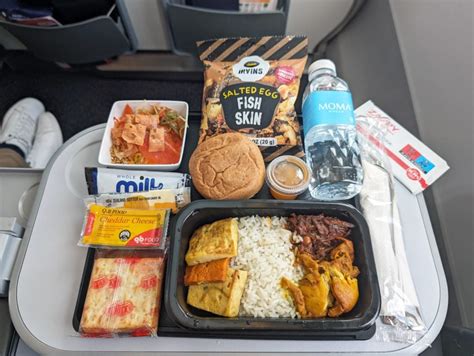
Once onboard, nutrition seems to vanish as a concept. Champagne is paired with calorie-dense nuts, followed by multi-course meals that ignore satiety entirely. Orange juice appears by default despite being little more than sugar water, while ice cream is served frozen solid, requiring patience rather than pleasure. These choices aren’t indulgent so much as unconsidered, revealing an industry that designs menus around routine rather than how people actually eat.
The Quiet Tragedy of Food Waste
Food waste on planes is both obvious and strangely opaque. Passengers wonder what happens to unopened items they don’t want, especially sealed products like yogurt or packaged snacks. Is returning it polite or pointless? Does timing matter? The uncomfortable truth is that most untouched food is discarded due to safety regulations, with only limited exceptions for crew consumption. The lack of transparency leaves travelers feeling complicit in a wasteful system they can’t influence.
Bedding That Blocks the Seat Before You Sit
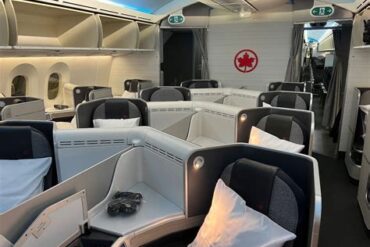
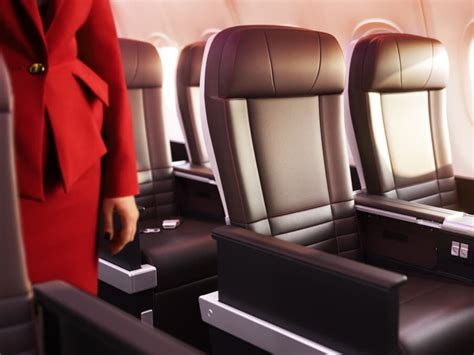
Premium cabin bedding often arrives preemptively, stacked on seats before boarding. While well-intentioned, it creates immediate friction, forcing passengers to relocate bulky items just to sit down. Overhead bin constraints explain the practice, but the experience feels backward. Bedding is most useful hours into the flight, yet it dominates the space at the moment passengers need it least, highlighting how operational efficiency can undermine comfort.
Refillable Toiletries and the Trust Problem
Refillable hotel amenities were introduced as a sustainability measure, but they’ve created a credibility issue. When branded bottles contain products that smell or feel inconsistent, guests question authenticity and hygiene. The perceived bait-and-switch damages both hotel and brand reputations, blurring the line between eco-consciousness and cost-cutting. Without clear standards or enforcement, refillable systems risk eroding trust rather than building goodwill.
Airplane Mode and the Theater of Compliance
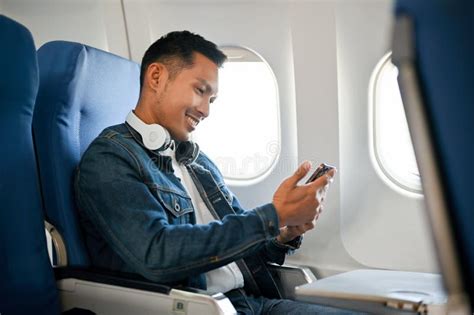
The insistence on airplane mode has become symbolic rather than scientific. Planes function flawlessly despite passengers inevitably forgetting or ignoring the rule, yet announcements continue with unwavering seriousness. The disconnect between lived reality and repeated warnings turns safety messaging into background noise, undermining credibility. When rules feel performative, compliance becomes optional in spirit if not in letter.
The Unwritten Rules of the Call Button
The call button occupies an awkward social space. Technically available, socially discouraged, it leaves passengers guessing when its use is appropriate. Asking for a refill feels reasonable, yet many hesitate, fearing judgment. Requests about cabin temperature or service timing occupy even murkier territory. The ambiguity reflects a broader tension between hospitality and hierarchy, where service exists but must be requested carefully.
Why Boarding Passes Refuse to Go Fully Digital
Despite widespread adoption of mobile boarding passes, physical copies continue to materialize at bag drop counters. Outdated systems default to printing even when unnecessary, generating waste and frustration. Passengers didn’t ask for paper, don’t need it, and often discard it immediately. The persistence of this practice underscores how legacy infrastructure lags behind customer behavior.
Pilot Commentary: Comfort or Cognitive Overload?
Pilot announcements divide passengers into two camps. Some appreciate detailed explanations of altitude, wind, and routing, finding reassurance in transparency. Others see it as irrelevant noise, especially when the same information is instantly accessible on personal devices. Weather reports upon landing feel particularly redundant, offering information too late to matter. The challenge lies in balancing engagement without overwhelming those who prefer silence.
TSA Inconsistency as a Feature, Not a Bug
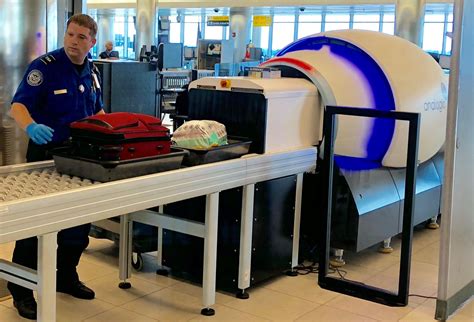
Airport security remains a masterclass in unpredictability. Rules change not just by airport but by checkpoint, day, or even hour. Laptops in or out, shoes on or off, bins appearing and disappearing—it’s a moving target. The frustration isn’t just the rules but the expectation that passengers should somehow know them, often enforced through shouted instructions rather than clear signage.
Window Shade Politics at Altitude
Window shade etiquette is governed by unspoken consensus rather than policy. Overnight flights default to darkness, while early morning flights inexplicably follow the same rule despite everyone being awake. Passengers who want natural light—to read, adjust circadian rhythms, or simply enjoy the view—are subtly pressured to conform. The expectation prioritizes uniformity over individual preference, even when the logic doesn’t hold.
Duty Free and the Myth of the Deal
Duty free shopping survives not because it offers value but because it exploits a captive audience. Prices rarely compete with online retailers or local stores, yet the illusion of tax-free savings persists. For most destinations, the math doesn’t work. The occasional exception—remote islands with extreme markups—only highlights how narrow the real use case has become.
The Ritual of Saying “Have a Safe Flight”
Perhaps the most benign yet puzzling travel custom is the ubiquitous farewell: “Have a safe flight.” It’s offered more frequently than “have a safe drive,” despite flying being statistically safer and entirely out of the passenger’s control. The phrase endures as a cultural reflex, a verbal talisman against uncertainty, revealing how emotion often overrides logic in travel rituals.
Travel quirks endure because they sit in the gray zone between annoyance and acceptance. They’re not severe enough to spark outrage, yet persistent enough to provoke reflection. Together, they form a portrait of an industry shaped by tradition, regulation, and compromise—sometimes at the expense of common sense. For seasoned travelers, recognizing these patterns doesn’t eliminate the frustration, but it does offer a strange comfort: the reminder that everyone else notices them too.