Flying has evolved from a mere method of transportation into a strategic game where savvy passengers can unlock elite comforts without breaking the bank. Across the United States and Canada, a growing number of both frequent flyers and vacationers are mastering the elusive art of scoring seat upgrades—and the latest tactics might surprise you.
The idea that only elite business travelers get bumped to premium cabins is outdated. Thanks to evolving airline policies, digital bidding platforms, and the subtle human factor still alive at airport gates, upgrades are increasingly within reach. But only if you know where to look—and how to ask.
Elite Status Still Rules the Skies
For seasoned travelers, holding elite status is the most consistent way to access complimentary upgrades. U.S. carriers like American Airlines, United, and Delta, along with Air Canada, continue to prioritize their loyalty program members with exclusive upgrade benefits.
American Airlines’ AAdvantage Executive Platinum members enjoy unlimited domestic upgrades, which are often processed automatically at booking. Similarly, United MileagePlus Premier members—especially at Platinum or 1K status—can expect priority access to available seats through the use of PlusPoints, United’s specialized upgrade currency.
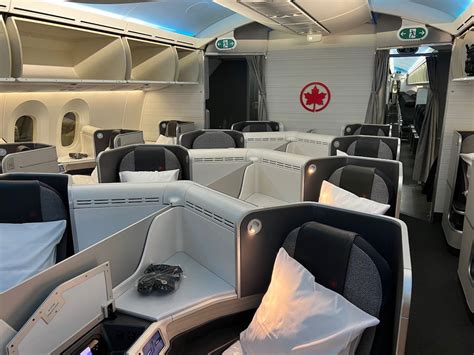
North of the border, Air Canada Aeroplan Elite status holders leverage eUpgrade credits, allowing them to upgrade eligible fares, even on international routes. These credits, sometimes combined with cash surcharges, provide a clear advantage for frequent Aeroplan flyers.
But here’s the catch: basic economy fares are almost always excluded from these perks. Smart travelers know that investing slightly more for a standard economy fare not only improves seating options but keeps them eligible for upgrades.
Miles, Cash Bids, and the Rise of the Upgrade Marketplace
A major shift has occurred in how airlines distribute premium seats: many now offer miles-for-upgrade redemptions or invite passengers to submit cash bids for better seats.
Air Canada’s “AC Bid Upgrade” program allows travelers to submit upgrade bids 48 hours prior to departure. Surprisingly, many have reported winning bids at a fraction of the full fare. This option levels the playing field for non-elite travelers willing to pay a bit more for added comfort.
United and American offer mileage-based upgrades too, though typically restricted to certain fare classes. This makes tools like ExpertFlyer or AwardFares essential—they help users track upgrade availability and optimize booking strategies.
The rise of these bidding systems has created a secondary marketplace for cabin upgrades, empowering ordinary passengers with new tools to access once-exclusive perks.
The Gate Agent Gambit: Politeness and Timing Pay Off
Even in this algorithm-driven age, human interaction still matters. Gate agents and check-in staff are often the final word on who gets moved forward—and how.
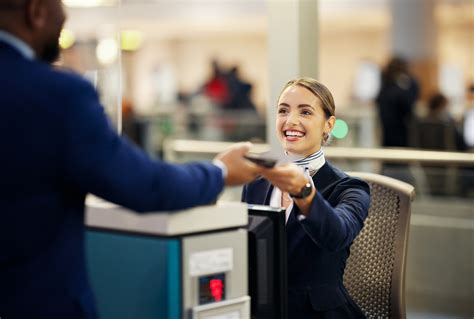
Approaching agents with genuine politeness, dressing neatly, and asking about upgrade possibilities—especially if the flight is oversold in economy—can result in last-minute paid upgrade offers. These deals, sometimes presented at a steep discount, often emerge just minutes before boarding as airlines seek to balance cabin distribution.
Another subtle tactic? Strategic check-in timing. While some flyers play “check-in chicken,” waiting until the last moment hoping to trigger a bump-up due to oversold economy cabins, this can backfire. More reliable is checking in as early as possible, particularly for elite members, as many airlines rank upgrade priority by check-in timestamp.
Flight Choice Matters: Off-Peak Opportunities for Upgrades
Not all flights are created equal. Understanding the business travel cycle can dramatically increase upgrade odds.
Midweek departures, such as Tuesday or Wednesday afternoons, and routes that aren’t frequent business corridors, often have more availability in premium cabins. For example, transborder flights between Toronto and Denver, or Vancouver and Chicago, sometimes operate with half-empty premium cabins due to lower corporate traffic.
Savvy travelers use tools like SeatGuru or airline seat maps to preview cabin loads and select flights with better upgrade chances. Booking flights during non-peak seasons, avoiding holidays, and traveling solo further boost the likelihood of scoring a better seat.
Dress and Demeanor: The Psychology of Upgrades
Though airlines deny favoritism, appearance and attitude still influence upgrade decisions—particularly when operational reasons require shuffling passengers.
Well-dressed, pleasant, and courteous passengers may be perceived as better fits for premium seats. For example, gate agents occasionally upgrade travelers when accommodating other guests or resolving seating issues. While there’s no official dress code, avoiding overly casual attire helps project a readiness for the front cabin.
Another subtle factor? Mentioning special occasions. Travelers celebrating anniversaries, honeymoons, or milestones sometimes catch the attention of empathetic agents. While not guaranteed, such acknowledgments can nudge a decision in your favor—especially when combined with a positive demeanor.
Premium Economy: The Smart Traveler’s Sweet Spot
Premium economy has emerged as a strategic middle ground for those seeking comfort without business-class pricing.
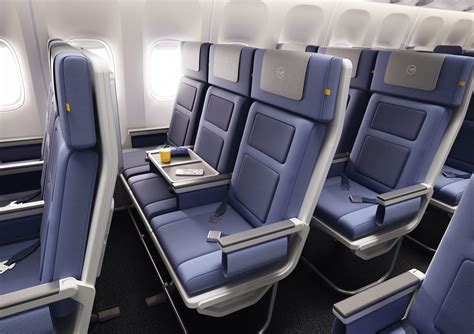
Products like Air Canada’s Premium Economy or United’s Premium Plus offer spacious seating, priority boarding, upgraded meals, and additional baggage allowances. For a modest number of miles or a few hundred dollars more, travelers can dramatically enhance their experience.
Even better, premium economy seats are often the first tier eligible for mileage upgrades to business class. Booking into this class puts you closer to the front—not just physically, but in airline algorithms that favor higher fare classes.
The Digital Edge: Tools That Unlock Upgrade Potential
Modern travel is fueled by data, and the smartest passengers are using tech to tilt the upgrade odds in their favor.
Apps like ExpertFlyer, SeatSpy, and UpgradeSpace provide real-time seat maps, upgrade availability, and fare class tracking. These platforms let users monitor high-value routes and receive alerts when premium space opens up.
Online check-in portals and mobile airline apps often feature upgrade offers during check-in or boarding, particularly for credit card holders or loyalty members. Being proactive and monitoring these options regularly increases the chances of catching limited-time deals.
Frequent Flyers vs. Holidaymakers: Who Has the Edge?
While frequent flyers naturally benefit from status, holidaymakers aren’t out of the race. In fact, they often travel during off-peak times and are more flexible with dates—giving them an upgrade edge.
Booking through airline portals instead of third-party travel sites often results in better eligibility for upgrades and loyalty credit. And by investing time in understanding airline policies, even occasional travelers can mimic elite strategies.
Some leisure travelers have even cracked the upgrade code by consolidating miles across partners, timing bids strategically, and building status through airline-branded credit cards that offer complimentary perks.
A Glimpse Ahead: The Future of Upgrades Is Algorithmic and Accessible
The era of secretive gate upgrades and whispered tips is fading. Airline systems now rely heavily on algorithms to assign upgrades, calculate offer values, and manage seat availability in real time.
These systems consider variables like fare class, loyalty status, time of booking, and even behavioral patterns (e.g., how often a passenger accepts upgrade offers). As artificial intelligence integrates deeper into airline operations, travelers who adapt and learn how these systems function will maintain an edge.
Still, human interactions, strategic thinking, and timing remain powerful tools. For U.S. and Canadian travelers, whether flying to a corporate meeting or a beach resort, knowing the rules of the upgrade game makes all the difference.
In the new age of air travel, comfort is no longer reserved for the few. It’s available to those who ask the right questions, pick the right flights, and embrace the evolving mechanics of airline loyalty.
With more ways than ever to unlock better seats, the only question left is: will you follow the clues—and claim your upgrade?